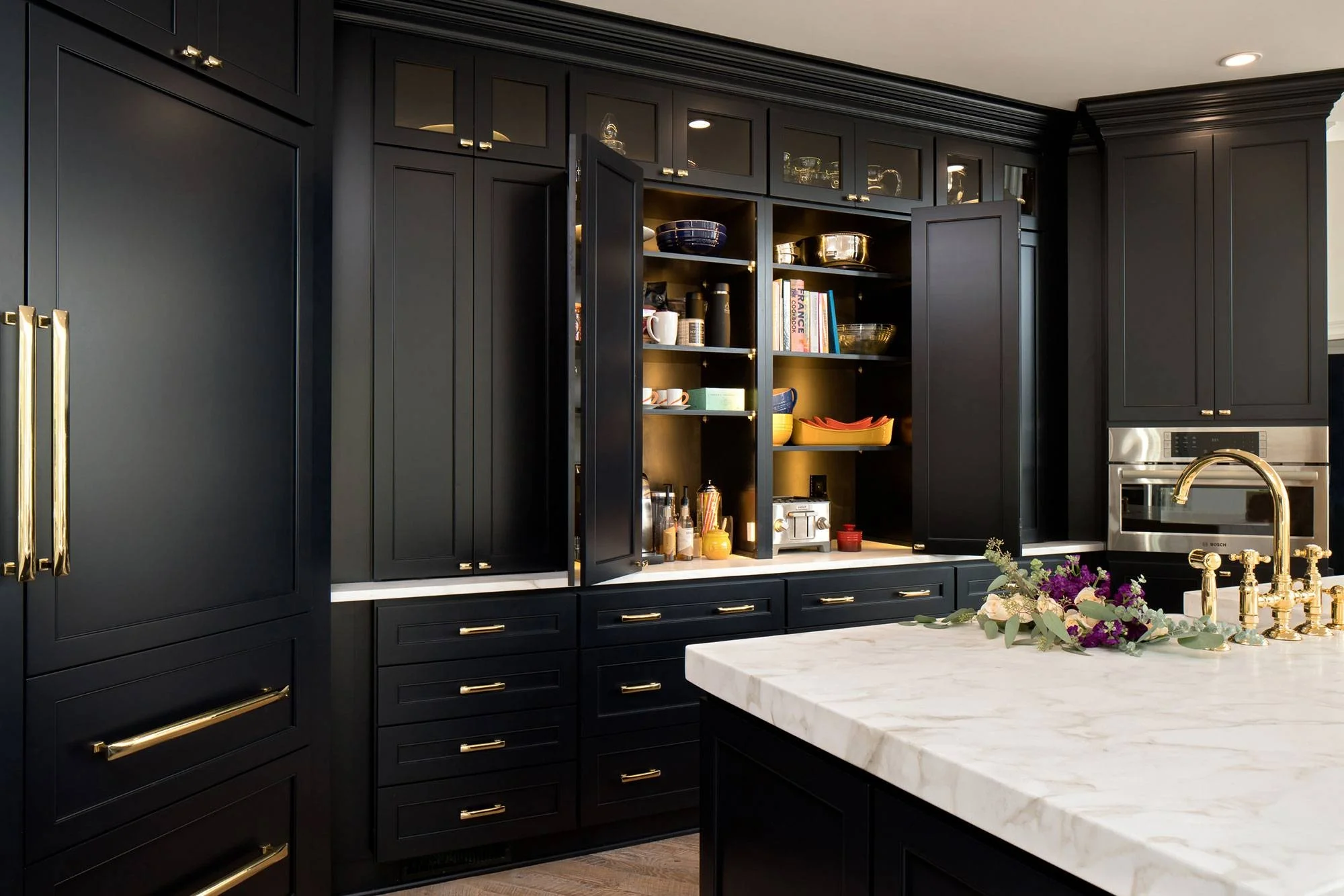
As modern kitchens shift toward heavy-duty cooking, induction ranges, and built-in appliances, the demand for thermal-shock-resistant kitchen granite installation is rising rapidly. Homeowners aren’t just looking for beauty anymore — they want countertops that can handle heat, pressure, high-use cooking zones, and long-term structural stability. This has created a specialized niche in granite installation that blends material science, engineering, and advanced fabrication methods. Below is an expert-level deep dive into this emerging trend and how to implement it in a real kitchen installation project.
Why Thermal-Shock Resistance Matters More Than Ever
Modern appliances (especially 5-burner gas cooktops, high-temperature ovens, and induction units) generate localized heat zones. Granite, although extremely durable, can crack or micro-fracture if it experiences sudden thermal changes without proper structural allowances.
This is why elite installers now add engineered heat buffers, mineral-resin reinforcements, and expansion joints during installation — techniques rarely discussed but extremely effective.
Understanding Granite’s Thermal Behavior
Granite is a crystalline rock with a low thermal expansion rate, but not zero. Without the right installation methods, heat from:
-
Cooktops
-
Dishwasher vents
-
Oven exhausts
-
Hot pans placed directly on the surface
…can cause stress lines or weaken edges around cutouts.
To solve this, advanced stone technicians use engineered reinforcement systems designed to absorb the expansion without transferring stress to the slab.
Advanced Techniques Used in Thermal-Shock-Ready Granite Installations
1. Thermal Buffer Underlayment (TBU)
Elite fabricators now place a thin underlayment made of ceramic-fiber or mineral board beneath the slab.
This acts as a heat shield and reduces temperature transfer to the cabinets and adhesive bed.
2. Reinforced Underside Meshing
A high-strength fiberglass or stainless-steel mesh is epoxied to the underside of the granite—especially around thin areas like sink and cooktop cutouts.
This dramatically increases load and heat resistance.
3. High-Temperature Epoxy for Seam Work
Standard adhesives can weaken with heat cycles.
Modern high-temp epoxy systems maintain structural bonding even when exposed to 150–200°C near cooking zones.
4. Thermal Expansion Micro-Joints
These tiny, hidden joints absorb expansion and contraction.
They are strategically placed:
-
Behind the cooktop
-
Near oven housings
-
At long straight runs
These joints prevent stress cracks without affecting aesthetics.
5. CNC Cutout Stress-Radius Engineering
Instead of straight corners, CNCs produce rounded internal radiuses at sink/cooktop cutouts.
This alone reduces crack potential by 40–60% compared to manual cuts.
Step-by-Step Workflow for a High-Performance Granite Kitchen
Step 1: Heat-Zone Mapping
Before templating, measure where heat loads will occur. This includes cooktops, oven towers, dishwashers, and even under-cabinet lighting.
Step 2: Digital Templating + CAD Simulation
The installer uses CAD to simulate:
-
Heat dispersion
-
Seam placement
-
Reinforcement layout
-
Cutout stress points
This ensures the granite is engineered, not just installed.
Step 3: CNC + Waterjet Fabrication
This combination allows:
-
Precision edges
-
Controlled cutout radiuses
-
Perfect symmetry
-
Reduced internal stress
It’s essential for thermal-shock-resistant builds.
Step 4: Reinforcement & Underlayment Prep
The TBU (thermal buffer) is laid, mesh is epoxied, and all high-risk zones are reinforced.
Step 5: On-Site Installation + Seam Engineering
Installers:
-
Level the substrate
-
Apply high-temp epoxy
-
Create expansion micro-joints
-
Bond & clamp the slabs
-
Polish seams for invisible results
Step 6: Final Sealing for Heat Stability
Penetrating sealers with heat-stable chemistry ensure the granite remains stain and heat resistant.
Finishes That Perform Better Under Heat
While polished granite is common, the best thermal-resistant finishes are:
-
Leathered (excellent heat diffusion, hides micro-wear)
-
Honed (matte finish, superior stability for heavy-use kitchens)
Both finishes also hide seam lines more effectively.
Post-Installation Maintenance
To maintain long-term performance:
-
Use pH-neutral cleaners
-
Re-seal every 1–2 years
-
Avoid sudden temperature shocks (ice bags + hot pans combo)
-
Keep heat zones clean to prevent micro-cracking from debris
Final Thoughts
A thermal-shock-resistant kitchen granite installation is not just a design decision — it’s an engineering upgrade.
Homeowners who cook daily, use high-heat appliances, or want a long-lasting investment benefit immensely from this approach.