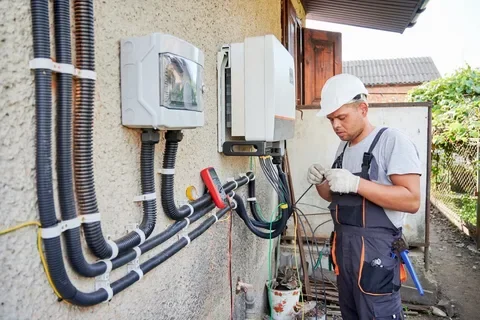
To estimate a residential electrical job means the total amount needed to complete the electrical work of a complete residential project. Electricians and contractors should learn how to estimate electrical jobs to plan electrical work properly. A clear estimate helps learn the expected cost and time needed for the project. A proper estimate gives you confidence and prevents unexpected expenses. Electrical estimating is very easy if we get to know the right steps. We will learn how to estimate a residential electric job in a simple and beginner-friendly way in this guide.
Why Is It Important to Estimate Residential Electrical Jobs?
Analyzing your project from different aspects before you start it is a given.
-
The total cost that will go into it, because you need to have that much money to start it; otherwise, the process will be a mess.
-
Sometimes the timelines do not match with contractors, so you should know how much time the project will take and set a timeline according to that.
Electricians get the time to prepare the material or any sort of tool that they will need during their work. And I was for the clients; they should know these things because they are going to set their budget and timelines according to these estimates. A good estimate avoids confusion and makes sure that the project runs very smoothly. It basically acts as a roadmap.
Steps to Estimate Residential Electrical Jobs
Understand the project
-
What is the demand for the project? Is it a renovation or what?
-
Is this new wiring or repair work?
-
How many rooms are involved?
-
What material and fixtures are required?
-
Are there any special electrical needs?
These answers can help you know how much overall cost and time are required. You can easily get clarity whether it is a small work or a large project that needs deep planning.
b) Inspect the site carefully
You must visit the site before estimating the cost. When you inspect, do look for:
-
Condition of the current wiring.
-
Accessibility of the work areas.
-
Distance from the electrical panel.
-
Possible obstacles like walls or ceilings that must be opened.
-
Safety corners or code violations.
These careful inspections can help you estimate a more accurate and realistic budget.
c) List all required materials
Electrical jobs require materials like
-
Wires
-
switches and outlets
-
panels and breakers
-
conduits and fittings
-
lighting fixtures
So, add all these materials to your list to estimate the cost more accurately. Some contractors also take the help of takeoff services to measure these quantities from drawings. It can also be done by visiting the site and checking how much material is needed.
d) Estimate labor time
Labor is often the highest cost in electrical work. To estimate labor
-
Break the job into smaller tasks
-
Add the time each task requires
-
Add extra time for unexpected issues
-
Consider the experience level of the electricians.
e) Calculate material and labor time
Calculation of material cost involves the total cost required to buy all the materials involved in our project.
The labor cost involves the hourly rate multiplied by the number of hours and is required to give salaries to laborers for the whole project.
f) Add overhead and profit
Overhead cost involves the money spent on fuel and tools. It also includes insurance and office expenses. All these expenses should be included in the estimate to prevent any kind of loss. Then a reasonable profit margin is also added; a typical profit margin is about 10-20%.
g) Reviewing local code requirements
Electrical work must be done according to the local protection codes. The project must be according to the rules. Ignoring these rules can cause heavy cost corrections later.
h) Provide a clear and simple estimate
A good estimate should be easy to understand. It should include
-
job description
-
material list
-
labor hours
-
total cost
-
payment terms and timeline
Clients are mostly interested in clear and transparent estimates because they reduce misunderstanding and build trust. Some contractors also work with Residential Electrical Estimating Services to help prepare neat and clean estimates. They make very detailed cost reports.
Common Mistakes to Avoid
In estimating residential electrical jobs, mistakes should not happen because it is crucial work and it involves many safety issues involved.
-
Forgetting to include small materials
-
underestimating labor time
-
Ignoring travel or permit costs
-
Giving estimates without enough information.
Handling Large Projects
Big projects like rewiring a full home or adding new circuits are a more detailed process. Contractors use cost estimation software or tools for this purpose. These tools organize data and show past project costs. Software also gives proper labor rates to help avoid errors.
Some companies also take the help of commercial estimating services to prepare a full budget.
Conclusion
Learning how to estimate residential electrical jobs obviously takes time and practice. The steps are very simple, and once you understand them, it becomes easy for you to calculate the cost of any electrical project very accurately and easily. You can prepare accurate and professional estimates with clear planning and proper tools. Estimating residential electrical jobs properly not only helps you get a good name in the market but also builds customers' trust in you.