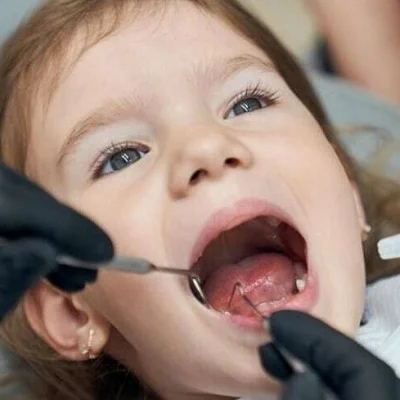
Tooth extractions in children are common procedures, especially when baby teeth don’t fall out on time, cavities are extensive, or trauma affects the tooth. Although pediatric dentists take every precaution to ensure safe treatment, post-extraction care at home plays the biggest role in preventing infections.
If your child has recently had a pediatric tooth extraction in Islamabad, understanding proper aftercare is essential for safe healing. This guide explains how infections happen, early signs to watch for, and proven steps parents can take to protect their child’s oral health.
Understanding Why Infections Happen After Tooth Extractions:
A tooth extraction leaves a small open wound in the gum. Normally, a blood clot forms to protect the area and promote healing. Infections occur when bacteria enter this space due to poor hygiene, premature disturbance of the clot, or exposure to irritants.
Children may unintentionally touch the area with fingers, suck on the wound, or forget aftercare instructions—which increases infection risks. Knowing the causes helps parents stay prepared.
Essential Care Tips Immediately After Extraction:
The first 24 hours are critical. Your child may experience mild discomfort, slight bleeding, or swelling, but proper care minimizes complications.
Keep the Gauze in Place:
After the procedure, dentists place a gauze pad over the extraction socket.
-
Keep it there for 30–45 minutes.
-
Ask your child not to chew on it.
-
Replace only if bleeding persists, following your dentist’s guidance.
Avoid Touching the Area:
Children often explore the area with their tongue or fingers. This can disturb the blood clot and introduce bacteria.
-
Explain gently why they shouldn’t touch it.
-
Keep hands clean just in case.
Stay Away From Straws and Spitting:
Suction can dislodge the healing clot and cause infection or dry socket.
For 48 hours:
-
No straws
-
No spitting
-
No sucking on candies or bottles
Hygiene Practices to Prevent Post-Extraction Infection:
Cleanliness around the mouth is essential but must be done carefully.
Start Rinsing After 24 Hours:
Do not rinse immediately after extraction. After the first day:
-
Use a warm saltwater rinse twice daily.
-
Have the child swish gently—no vigorous movement.
Brushing With Care:
Your child should continue brushing but must avoid the extraction site.
-
Use a soft toothbrush.
-
Encourage slow, gentle brushing.
-
No toothpaste spitting—let them drool it out instead.
Foods to Avoid and Foods That Help Healing:
Diet affects healing significantly. The wrong foods can irritate the wound or lodge inside the socket.
Avoid These Foods:
For 2–3 days, keep your child away from:
-
Hard foods (chips, nuts, popcorn)
-
Spicy meals
-
Juices with straws
-
Sticky sweets (toffees, chewing gum)
-
Hot soups or drinks
Offer These Safe Foods:
Nutrient-rich, soft foods help the healing process:
-
Yogurt
-
Mashed potatoes
-
Pudding
-
Applesauce
-
Oatmeal
-
Soft boiled rice
-
Milkshakes without a straw
These foods are gentle on the gums and easy for children to enjoy.
Managing Pain and Swelling Safely:
Children may feel discomfort after the anesthetic wears off. Preventing infection also means keeping inflammation under control.
Use Dentist-Recommended Medication Only:
Never add extra medication without consulting your dentist.
-
Dentists often recommend children-safe pain relievers.
-
Antibiotics, if prescribed, must be completed fully.
Cold Compress for Swelling:
Apply a cold pack on the outer cheek for 10–15 minutes at a time.
This reduces swelling and soothes the area.
Signs of Infection Parents Must Watch For:
Despite good care, infections can occasionally occur—usually within the first few days. Early detection helps prevent serious complications.
Warning Signs Include:
-
Increased pain after 48 hours
-
Persistent swelling
-
Bad breath or bad taste
-
Fever
-
Pus or discharge near the site
-
Difficulty opening the mouth
-
The wound appears exposed or very dark
If you notice any of these symptoms, contact your child’s pediatric dentist immediately.
When to Follow Up With Your Pediatric Dentist:
Routine checkups ensure the extraction site is healing well. Your dentist may recommend a follow-up visit in:
-
48–72 hours (if the extraction was complex)
-
7 days for general evaluation
For families seeking experienced dentists, many clinics offering pediatric tooth extraction in Islamabad also provide post-extraction care support, emergency checks, and child-friendly recovery instructions.
Tips to Help Your Child Cooperate With Aftercare:
Children often forget or resist aftercare steps, so parents need creative ways to keep them safe.
Turn Care Into a Game:
Use reward charts for good behavior.
Example:
-
“No touching the sore spot” earns a sticker.
-
“Saltwater rinse done” earns another.
Explain in Simple Words:
Avoid using scary terms. Instead say:
“Your tooth needs to grow new gum. Let’s help it stay clean.”
Prepare Their Meals in Advance:
Having soft foods ready prevents them from choosing unhealthy snacks.
Supervise Hygiene:
Help them brush and rinse to make sure it’s done properly.
Long-Term Care After an Extraction:
While the initial healing takes about one week, full tissue recovery can take longer.
Maintain Clean Oral Habits:
Healthy teeth reduce the need for extractions later.
Encourage your child to:
-
Brush twice daily
-
Use fluoride toothpaste
-
Visit the dentist every 6 months
-
Limit sugary snacks
Establishing these habits early protects their future smile.
Conclusion:
Preventing infection after a tooth extraction is easier when parents follow proper care steps and stay alert for early warning signs. With the right approach—good hygiene, a safe diet, pain management, and regular dental follow-ups—your child can enjoy a smooth and speedy recovery.
If you're seeking expert, child-friendly care, many clinics providing pediatric tooth extraction in Islamabad ensure your child receives safe treatment and professional healing guidance.
For more information visit Dental Clinic Islamabad.