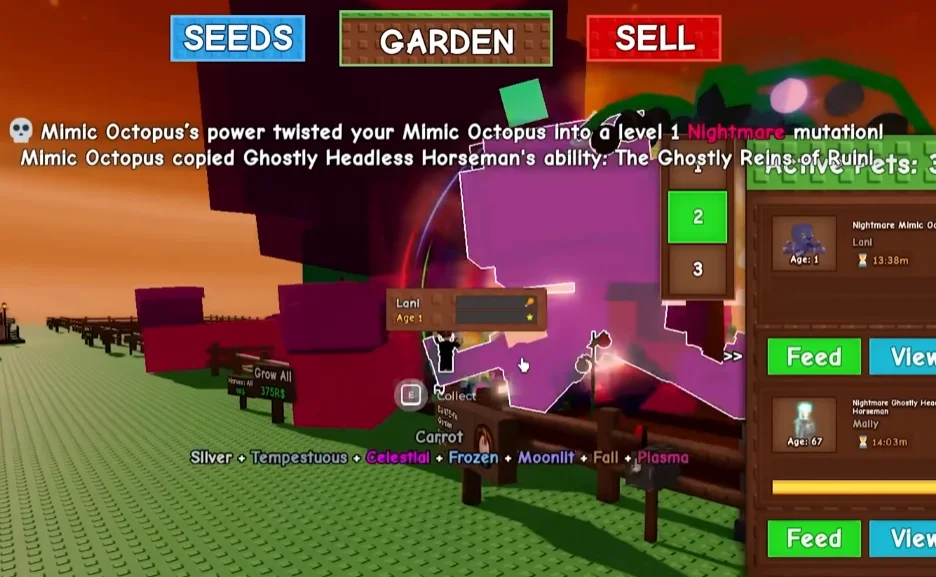
When you first jump into Grow A Garden on Roblox, the world looks simple enough: plant seeds, water your crops, and watch everything grow. But once you start expanding your space, unlocking new areas, and trying to keep your fields organized, you’ll probably notice that a good farm layout makes a huge difference. After spending way too many hours tweaking my plots, testing different setups, and comparing notes with friends, I’ve found a few farm-structuring ideas that make the game feel smoother and a lot more fun.
Start With Clear Crop Zones
One of the easiest ways to keep your farm manageable is to divide it into zones. It doesn’t have to be complicated. I like to make one zone for fast-growing crops, one for long-growth plants, and another for anything special or seasonal. This way, when I’m doing quick harvest runs, I’m not running back and forth across the whole farm.
The game doesn’t punish you for being messy, but trust me, having clean areas keeps your rhythm going. It also helps a lot when you start rotating crops to level up faster. If you’re the kind of player who likes collecting pets for farming boosts, you’ll eventually notice that a tidy setup makes their effects easier to track. I’ve even seen players mention that places offering ways to buy grow a garden pets can make early farming a bit more efficient, though that’s totally optional and depends on how you play.
Use Pathways and Markers to Stay Organized
Grow A Garden gives you a pretty compact workspace at first, so it’s tempting to just throw seeds anywhere. Later on, though, spacing matters. Try leaving at least one tile of walking space between major rows. This keeps movement smooth, especially when you’re gathering harvests during timed events.
If you like decorating, you can even use fences, stones, or small decorations as markers. They’re not just for looks; they make it easier to memorize where each crop category goes. Some players also track where their best pets work most effectively. I learned this the hard way when I mixed up two of my rare helpers and couldn’t figure out why my growth cycle felt slower that day.
Keep Tools and Pets Close to Your Main Production Row
Once your garden expands, your tools and pets become more important. Most players put their main production area near a central path or near the tool station. This shortens the time you spend walking, and it matters more than you’d expect, especially when you start producing at scale.
At one point, when I was trying to fine-tune my build, a friend recommended checking different communities to compare tips and pet stats. Places where players talk about how or where to buy gag pets can be surprisingly useful for learning what different pets actually do in practice. Even if you don’t buy anything, just understanding pet roles helps you plan your farm layout better.
Adjust Your Layout as You Level Up
A beginner layout will never be your final one, and that’s completely normal. As you unlock new garden slots, soil types, and pets, your strategy changes. I like to rebuild small parts of my farm every few levels. It doesn’t take long, and it stops things from getting cluttered. Think of your layout as something flexible, not permanent.
Whenever new content drops, I check what high-level players are doing. Communities like U4GM sometimes share loadout ideas or farming routes that can inspire better layouts. You don’t need to copy anyone exactly, but seeing how advanced players use their space can help you design something that fits your own habits.
Balance Efficiency and Fun
Grow A Garden isn’t a game where you need a perfect machine-like setup. It’s more about pacing, collecting, decorating, and slowly improving your space. Some players make ultra-efficient farms; others build cute or themed gardens just for fun. There’s no wrong choice.
I’ve tried both extremes. For a while I focused purely on efficiency, but eventually I realized I enjoyed the game more when my farm looked nice instead of being a grid of identical rows. A layout you like visually can keep you playing longer, and in a garden-building game, that’s what really matters.
Try These Tips: Grow A Garden Red Squirrel Value, Method & Buy it for Sale