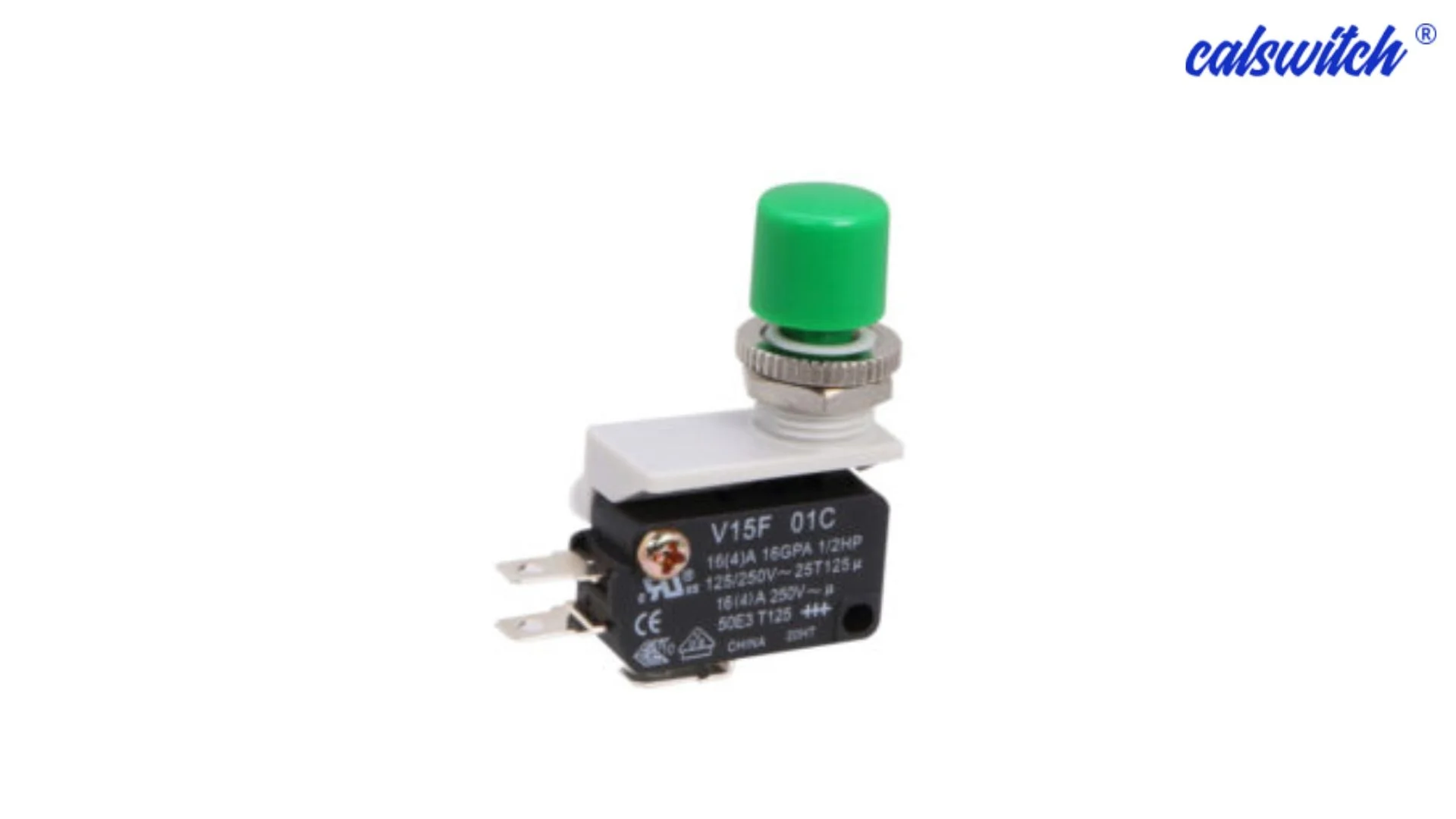
Choosing the right component for any device shapes its performance, safety and longevity. A switch may seem like a small part but the wrong choice often leads to unexpected failures. When your setup faces moisture, humidity or outdoor exposure, selecting a water resistant micro switch becomes an essential step for smooth operation and long term durability.
Understanding the Role of a Water Resistant Micro Switch
A switch with sealed or protected construction keeps electrical contacts safe from water intrusion. This makes a water resistant micro switch suitable for environments where moisture is unavoidable. Many modern devices rely on them because they deliver consistent actuation even when placed in challenging conditions. A basic understanding of how these switches function helps you match the right type to your project needs.
Identifying Environmental Conditions
Every project faces different conditions. Some devices handle light splashes while others sit outdoors all year round. A water resistant micro switch is available in multiple protection levels so identifying your actual exposure level is a logical starting point. High humidity, water jets, dust or even oil might influence your decision. You avoid over specifying or under specifying when you evaluate your exact environment.
Checking the Required IP Rating
Switches with moisture protection usually follow an IP rating system. Ratings like IP65, IP67 or IP68 indicate how much exposure the switch tolerates. A water resistant micro switch with IP65 suits light water contact while IP67 works well for temporary submersion. Knowing these differences helps you choose a switch that matches your operational situation without compromising reliability.
Evaluating Operating Force and Sensitivity
Your device might demand a light touch or a firm press. Operating force describes how much pressure is needed to activate the switch. A water resistant micro switch offers multiple force options so you match the right feel to your design. This influences user experience and mechanical performance, especially in precision equipment or repetitive use applications.
Selecting the Right Actuator Style
Actuators determine how the switch is triggered. Some designs use levers while others use plungers or rollers. A water resistant micro switch allows you to choose an actuator that fits your mechanism’s movement. Proper actuator selection ensures smooth and predictable operation and reduces wear on moving parts.
Considering the Electrical Ratings
Switches manage specific voltage and current levels. Even when moisture protection is your main concern, matching electrical requirements remains essential. A water resistant micro switch must safely handle your load to avoid premature failure. Higher power devices need switches with stronger contact ratings while low power electronics rely on highly sensitive contact designs.
Reviewing Durability and Mechanical Life
Switches in constant motion experience mechanical fatigue. Many sealed switches come with long life cycles which support applications requiring repeated actuation. A water resistant micro switch with a higher mechanical rating maintains performance over time. Understanding cycle ratings helps you choose a switch capable of meeting daily demands without excessive maintenance.
Assessing Mounting and Space Constraints
Your project layout dictates how much room is available. Some installations use compact housings while others offer more flexibility. A water resistant micro switch comes in different sizes including miniature or full sized bodies. Choosing the right size ensures smooth integration without disrupting the design. Mounting style also influences ease of replacement and long term stability.
Balancing Cost and Reliability
While budget considerations always matter, reliability becomes more important in moisture exposed environments. Spending slightly more on a sealed switch often prevents costly failures later. A water resistant micro switch usually offers a balance between affordability and resilience. Evaluating long term cost benefits helps you make a more informed decision.
Conclusion
Choosing the right component becomes easier when you consider environment, functionality and long term durability. A water resistant micro switch supports dependable performance when moisture is present and reduces risk of electrical issues in critical setups. If your project involves any external controls or equipment requiring secure mounting, a panel mount switch brings an added level of convenience while maintaining dependable protection. This approach helps you build a device that performs reliably and smoothly across varying conditions.