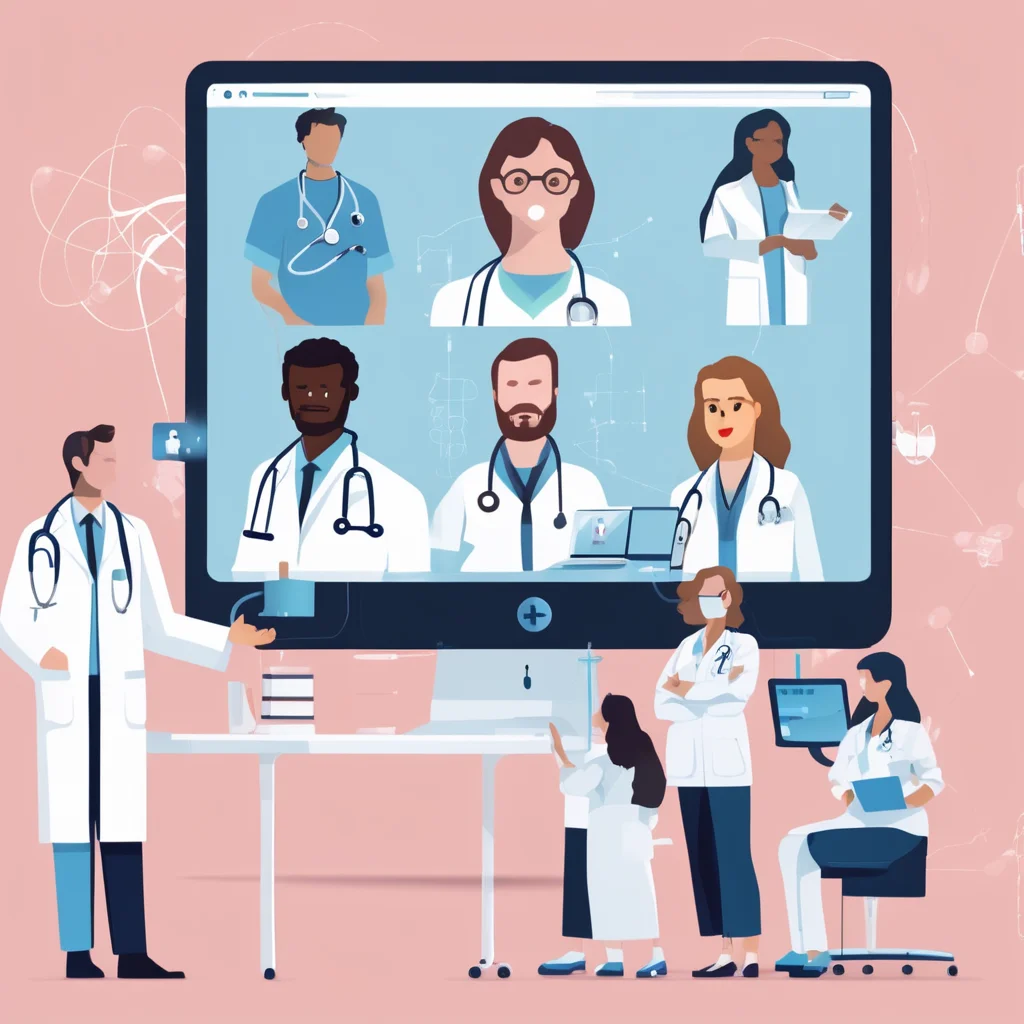
The shift to virtual care didn’t happen overnight. What pushed it forward were real products solving real problems. When you look at how a telemedicine app performs in the real world, you start to see the real impact: faster access to care, lower operational load on hospitals, and a far better experience for patients who no longer have to wait in crowded clinics. Let’s break down how leading apps are reshaping healthcare one use case at a time.
How Telemedicine Apps Are Changing Everyday Patient Care
On-Demand Consultations That Actually Reduce Wait Times
One of the biggest wins for any telemedicine app is its ability to eliminate unnecessary travel and long queues. Platforms offering instant access to general physicians, pediatricians, and specialists have become the first point of contact for millions of users.
Patients get quicker answers, and doctors get a structured way to manage virtual consultations without chaos.
Remote Monitoring That Helps Doctors Intervene Earlier
Chronic illnesses like diabetes, hypertension, and heart conditions need continuous oversight. Modern telemedicine apps integrate with wearables and remote monitoring devices, giving clinicians real-time vitals and alerts.
The result is simple but powerful: doctors can step in before a patient’s condition becomes critical.
Real-Life Success Stories Driving the Shift
Hims & Hers: Making Digital Primary Care Mainstream
Hims & Hers turned virtual consultations into a standard for everyday health issues. What this telemedicine app did right was remove patient hesitation through simple onboarding, transparent pricing, and fast access to licensed doctors.
The platform now handles millions of consultations and has become a blueprint for consumer-friendly digital health.
Teladoc: Scaling Virtual Care Across the Globe
Teladoc shows what happens when telemedicine meets enterprise-level execution. Hospitals, insurers, and employers use the platform to extend virtual care to massive populations.
Its success comes from one clear idea: a telemedicine app should feel reliable enough to replace at least half of traditional in-person visits.
Practo: Bridging Online and Offline Healthcare in India
Practo became the go-to telemedicine app in India by solving an everyday pain point. Patients could instantly book online consultations, order medicines, and view digital prescriptions.
What this really means is that an entire market moved from chaotic scheduling to structured digital care within a few years.
Amwell: Bringing Virtual Care to Hospitals and Health Systems
Amwell focuses heavily on integrations. Instead of building just a consumer app, they built infrastructure that hospitals can plug into.
Doctors can consult, manage patient records, and collaborate using a single digital interface.
What Makes These Telemedicine Apps Stand Out
A Frictionless User Journey
People only stick with a telemedicine app if it feels effortless. Instant sign-ups, intuitive navigation, and quick video connections are non-negotiable.
Trust Built Through Clinically Sound Processes
Virtual care works only when patients believe the advice is legitimate.
Successful platforms invest heavily in licensed providers, medical verification, and strict compliance with healthcare regulations.
Secure Data Handling and HIPAA-Level Protection
The backbone of any telemedicine system is data security.
Apps that scale successfully are the ones that prioritize encryption, controlled access, and audit trails from day one.
Where Telemedicine Apps Are Headed Next
AI for Faster Triage and More Accurate Recommendations
Many telemedicine apps are now using AI-driven symptom checkers and automated triage tools. This helps doctors get context faster and patients receive guidance even before the call starts.
Hybrid Models Combining Virtual and In-Clinic Care
The next wave blends digital consultations with physical visits.
From booking lab tests to scheduling follow-ups, a Telemedicine application development will soon behave like a full healthcare command centre.
Cloud-Based Care Delivery for Hospitals
Hospitals are adopting telemedicine platforms to extend care to rural areas and underserved communities.
This marks a real shift in how healthcare systems scale without building new physical centers.
Closing Thoughts
Telemedicine isn’t just a convenience anymore. It has matured into a reliable channel for primary care, chronic disease management, mental health support, and hospital-grade consultations. As real-world success stories keep proving the value of the modern telemedicine app, the industry is moving into a phase where virtual care becomes a default option rather than a backup. The momentum is clear, and the next generation of digital healthcare will only accelerate from here.