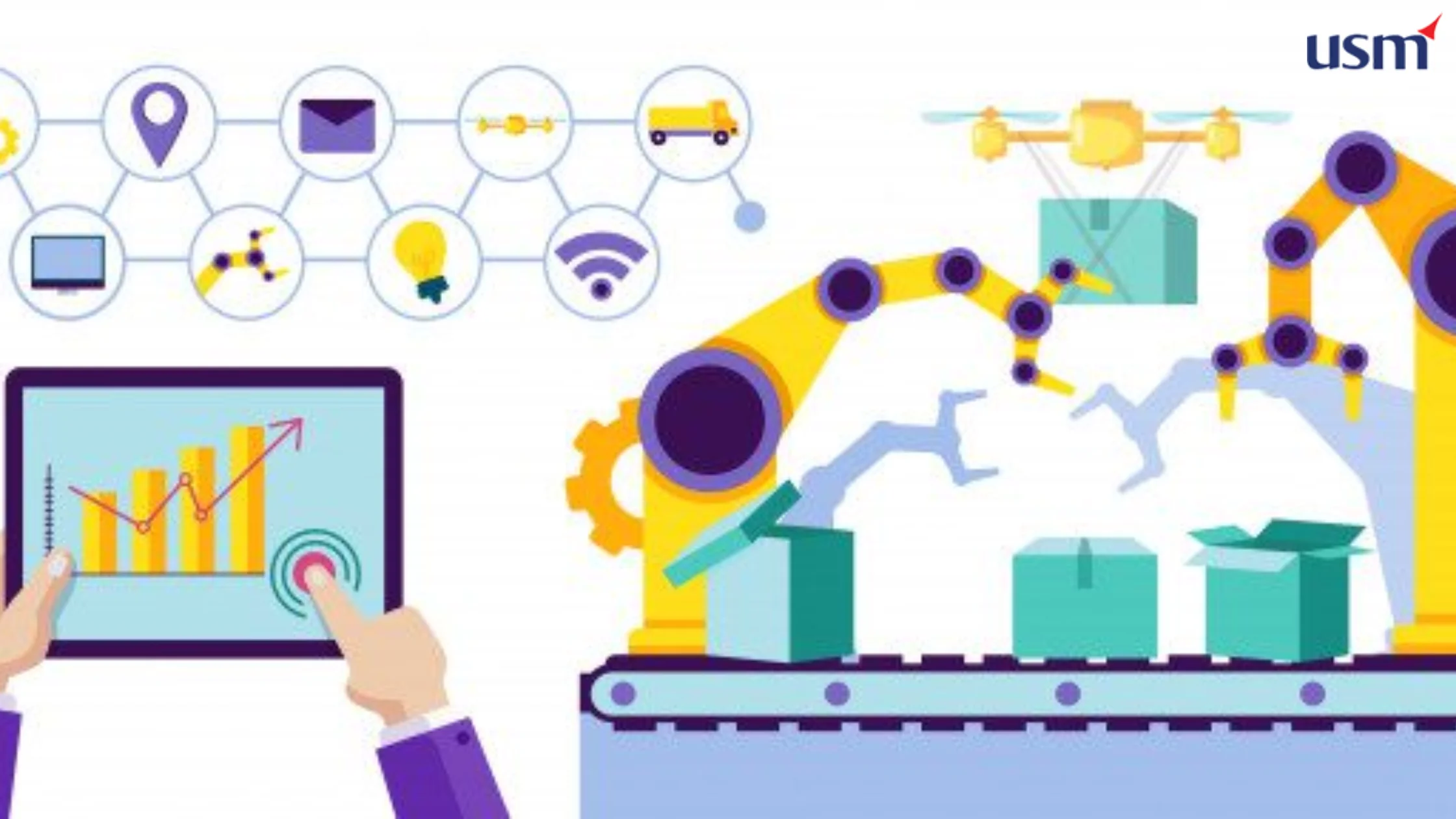
The automotive industry is undergoing one of the biggest revolutions in its history, and at the center of this shift is Artificial Intelligence. From production lines to quality checks and predictive maintenance, Artificial intelligence in car manufacturing is reshaping how vehicles are designed, produced, and delivered. As we move through 2025, the integration of AI-powered solutions is no longer optional for car manufacturers—it has become a strategic necessity.
AI-Driven Production: Faster, Smarter, and More Efficient
Car manufacturing used to depend heavily on manual labor and mechanical automation. While these systems laid the groundwork for mass production, they often lacked flexibility, accuracy, and real-time decision-making capabilities. AI has changed all that.
In 2025, smart robots and AI-enabled machines now analyze millions of data points every second. This allows them to adjust assembly processes instantly, detect anomalies, and optimize workflows on the fly. Production lines no longer rely on predefined tasks—machines learn continuously and adapt to changing conditions.
For example, collaborative robots (cobots) work alongside human technicians, assisting with tasks that require precision. These systems reduce errors, improve worker safety, and accelerate overall production. AI-powered vision systems enhance inspection accuracy, ensuring that every part meets strict quality standards.
Predictive Maintenance: Eliminating Downtime and Increasing Productivity
Unexpected machine failures can cost automakers millions of dollars in downtime. In the past, manufacturers relied on routine maintenance schedules or reactive fixes. Today, predictive maintenance powered by AI is rewriting the rules.
Sensors embedded across factory floors collect real-time performance data from machinery. Advanced algorithms analyze this data to detect potential issues before they escalate. For instance, AI can predict when a conveyor belt will fail, when a robot arm needs recalibration, or when a machining tool is nearing wear-out.
By addressing problems in advance, factories significantly reduce downtime. This not only increases productivity but also extends the lifespan of machinery, helping manufacturers save costs and operate more sustainably in 2025.
AI in Design and Prototyping: Innovation at Unprecedented Speed
Before AI, designing a new model could take months or even years. Engineers had to manually test concepts, create multiple physical prototypes, and go through long iteration cycles. With AI-driven design tools, the process has become dramatically faster.
Generative design software enables engineers to input performance goals—such as aerodynamics, material strength, or weight reduction—and allows AI to generate multiple optimized design variations in minutes. This rapid innovation means automakers can produce better, safer, and more efficient vehicles without being bound by traditional limitations.
Virtual simulations powered by AI have also become more accurate than ever before. Manufacturers rely on digital twins to test scenarios that would be too costly or risky in real life. From crash tests to environmental challenges, AI simulations help perfect designs long before production begins.
Smart Supply Chain: Enhanced Speed and Transparency
Managing a global supply chain is one of the most complex tasks in car manufacturing. Disruptions in shipments, labor shortages, or delays in transportation can halt production lines instantly. With the rise of AI-powered supply chain systems in 2025, automakers now enjoy better visibility and real-time control over their logistics.
AI tools track supplier performance, forecast material shortages, and suggest procurement alternatives. Machine learning models evaluate global events and predict their potential effects on supply chains, helping manufacturers plan ahead. This means fewer delays, better cost control, and enhanced production efficiency.
Blockchain integrated with AI further enhances transparency by ensuring every part is traceable from its source to the assembly line. This level of visibility strengthens trust, improves compliance, and supports sustainable manufacturing initiatives.
Enhanced Quality Control: Perfection Through AI Vision
Quality control is one of the most vital aspects of automobile manufacturing, and AI dramatically improves accuracy. Traditional inspection methods may miss minor defects, but AI-powered cameras and sensors detect imperfections invisible to the human eye.
In 2025, visual inspection systems powered by machine learning are standard across factories. These systems analyze paint finish, weld joints, component alignment, and hundreds of other parameters with unmatched precision. As a result, manufacturers deliver vehicles with higher quality standards while reducing rework and production waste.
AI-Powered Customer Personalization
Modern car buyers expect more personalized experiences, and AI is helping automakers meet these expectations. From customized interior features to personalized infotainment setups, AI empowers customers to design vehicles that match their lifestyles.
Manufacturers also use AI to study consumer behavior, predict market trends, and develop models that align with customer needs. This data-driven approach helps brands stay competitive and innovate faster than ever.
Why Companies Need the Right Tech Partner
The rapid advancement of AI technologies means car manufacturers must collaborate with skilled technology partners. From custom AI tools to factory automation software, tech companies play a critical role in helping automakers achieve digital transformation.
Many enterprises seek support from the Best Mobile app development Company to build smart manufacturing applications, integrate IoT devices, enhance worker mobility, and implement AI-driven analytics platforms. With the right partner, manufacturers can unlock the full potential of AI and stay ahead in a competitive market.
Conclusion
Artificial Intelligence is not just supporting car manufacturing—it is revolutionizing it. In 2025, AI enhances every stage of the automotive production cycle, from design to delivery. With smarter robots, predictive systems, and intelligent supply chains, manufacturers are producing vehicles faster, safer, and more efficiently than ever before.