For countless individuals across the globe, Lagos represents a powerful magnet—a thriving hub of commerce, a vibrant cultural center, and for many, home. Whether you're a returning resident, an entrepreneur establishing a foothold, or supporting family from afar, the desire to have your own vehicle in this dynamic city is both practical and profound. Yet, the process of getting it there, of orchestrating a vehicle shipping to Lagos operation, can feel like charting a course through unfamiliar waters. This guide serves as your essential navigational chart, transforming a complex logistical undertaking into a clear and confident journey from your driveway to the bustling streets of Nigeria's economic capital.
Understanding the Voyage: More Than Just Transportation
Shipping a vehicle to Lagos is fundamentally different from a domestic move. It is an international export and import procedure governed by a distinct set of maritime, logistical, and regulatory rules. The journey encompasses three critical phases: the origin logistics, the transatlantic passage, and the Nigerian arrival and clearance process. Appreciating this tripartite structure is key to setting realistic expectations and preparing adequately. The goal is not merely to move a car but to ensure its seamless transition from one regulatory regime to another, culminating in its legal release for Nigerian roads. This is the core of a successful vehicle shipping to Lagos experience.
Charting Your Course: Selecting the Right Shipping Method
The Atlantic Ocean can be crossed by your vehicle in two primary ways, each offering a different balance of economy, protection, and convenience. Your choice will significantly influence the handling of your car throughout its journey.
The RoRo (Roll-on/Roll-off) Passage
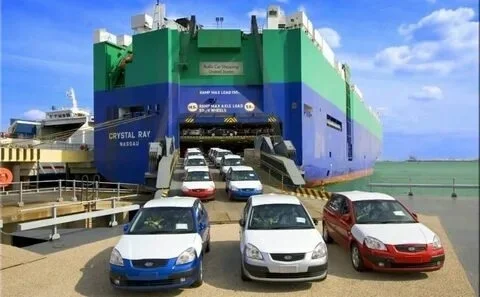
Imagine a specialized vessel, essentially a floating multi-story garage. This is the essence of RoRo shipping. Your operational vehicle is driven onto the ship at the port of origin, securely positioned, and fastened for the ocean crossing. It will travel alongside hundreds of other vehicles to the Port of Lagos, typically Apapa or Tin Can Island Port. This method is often the most streamlined and cost-effective for standard, everyday cars, SUVs, and trucks in good running condition. It is a popular choice for its relative simplicity, though it’s important to understand that the vehicle will be exposed to the maritime environment during the voyage.
The Fortified Journey of Container Shipping
For luxury vehicles, classic automobiles, high-value assets, or non-running projects, container shipping provides a superior level of security. Your car is carefully loaded into a sturdy 20-foot or 40-foot steel container. It can travel in solitary confinement in a dedicated container or share space in a consolidated shipment. Once the container doors are sealed with a tamper-proof bolt, your vehicle resides in a private, weatherproof vault, shielded from salt air, humidity, and any external contact. This method prioritizes maximum protection and is the definitive choice for those for whom the vehicle's pristine condition is non-negotiable, offering unparalleled peace of mind.
The Unshakeable Foundation: Meticulous Preparation and Documentation
The difference between a smooth clearance and a protracted delay at the Port of Lagos almost always comes down to preparation. This phase is where your diligence pays the highest dividend.
Preparing Your Vehicle for its Oceanic Journey
Begin with the car itself. A comprehensive, professional-grade cleaning—inside and out—is not merely advisable; it is a requirement for Nigerian customs inspection. Every single personal item must be removed from the cabin, trunk, and compartments. Shipping personal effects with the vehicle is strictly prohibited and will lead to severe customs complications. Mechanically, ensure the battery is secured and the fuel tank is at a safe, low level (usually no more than a quarter full) in compliance with international maritime safety regulations. Finally, create an indisputable visual record: take timestamped, high-resolution photographs of the vehicle from every angle, documenting its pre-shipment condition in detail.
The Critical Document Portfolio: Your Vehicle's International Passport
This collection of papers is the legal lifeblood of the operation. Its accuracy is paramount. The essential dossier must include:
-
Original Proof of Ownership: The vehicle's title or certificate of origin.
-
Valid Identification: A clear copy of your passport.
-
The Bill of Lading: Issued by the shipping line, this is the contract of carriage and a key document for claiming your vehicle.
-
Nigeria Customs Forms: Properly completed forms, such as the Form M and others, as required by current regulations.
-
Marine Insurance Certificate: Comprehensive insurance covering the specific transit is essential, going beyond the carrier's limited liability.
-
Manufacturer’s Certificate or Equivalent: Documenting the vehicle's specifications.
The precision of this paperwork directly dictates the efficiency of the Nigerian customs clearance process.
Navigating the Arrival: The Lagos Port and Customs Process
The sight of the Lagos skyline from the vessel is a milestone, but the most procedurally intensive phase begins here. The vehicle’s entry into Nigeria is governed by the Nigeria Customs Service (NCS), and understanding this process is crucial.
The Clearance Procedure Demystified
Upon arrival, your vehicle enters the custody of the NCS. Your appointed, licensed clearing agent in Nigeria will act as your legal representative. They will present the original documentation package, and the vehicle will undergo a physical inspection to verify its details against the paperwork. The customs duty is calculated based on the vehicle's assessable value, year of manufacture, and engine capacity, as per the latest government fiscal policy. This duty is a significant, non-negotiable levy. A reputable agent’s expertise is invaluable in ensuring accurate assessment and navigating the system efficiently to avoid costly storage demurrage charges at the port.
The Indispensable Role of Your Local Agent
Your choice of a licensed clearing agent in Nigeria is one of the most critical decisions you will make. A competent, well-established agent does more than file papers; they are your navigator through the port's ecosystem, your advocate with customs officials, and your problem-solver on the ground. They understand the nuances of daily operations at Apapa or Tin Can Island and work to secure the timely and proper release of your vehicle.
The Final Mile: Delivery and Receival Options
Once customs clearance is secured and all duties are paid, you decide how to take possession of your vehicle.
Direct Port Collection
You or an authorized representative can collect the vehicle from the port terminal. This requires presenting the final release documents and identification. It is essential to coordinate this pickup meticulously with your agent and be prepared for the operational realities of a major international port.
The Convenience of Door-to-Door Delivery
For a seamless conclusion, many opt for this comprehensive service. Your shipping partner arranges for the insured, final-land transport of your vehicle from the port terminal directly to your specified address in Lagos or beyond. This hands-off option provides continuity of care, ensuring professionals handle your vehicle right up to the moment it arrives at your doorstep.
Steering Towards Success: The Mindset for a Smooth Shipment
Beyond the technical steps, a successful vehicle shipping to Lagos experience is built on a foundation of informed choices.
Prioritize Transparency and Communication: Choose partners who provide clear, consistent updates and are accessible. Visibility into the process, including vessel tracking, is a hallmark of professional service.
Embrace Realistic Timelines: International shipping is subject to variables like vessel schedules, weather, and port congestion. A trustworthy partner will provide honest timeframes, allowing for proper planning.
Value Proven Expertise Over Bas Cost: The lowest quote can sometimes lead to hidden costs, inadequate insurance, or inexperienced handling. Invest in a partner with a demonstrable track record of successful deliveries to Lagos, strong agent relationships, and a reputation built on reliability and ethical practice. Their expertise is your ultimate safeguard against unforeseen complications.
Conclusion: The Reward of a Journey Mastered
Successfully shipping your vehicle to Lagos is a significant logistical achievement. It represents the reunification with a vital asset, the realization of a plan, and the empowerment of your mobility in one of the world's most vibrant cities. While the process demands attention to detail, from selecting the right shipping method and perfecting your documentation to engaging expert local representation, each step is a manageable component of a larger, well-established system.
This guide has illuminated the path, turning uncertainty into a clear, actionable sequence. With meticulous preparation and the support of seasoned professionals, the Atlantic crossing becomes a bridge to new beginnings. The ultimate reward is the profound convenience and independence of having your own vehicle in Lagos, ready to carry you forward into the rhythm and promise of the city. Your journey concludes not with paperwork, but with the turn of a key and the open road ahead.