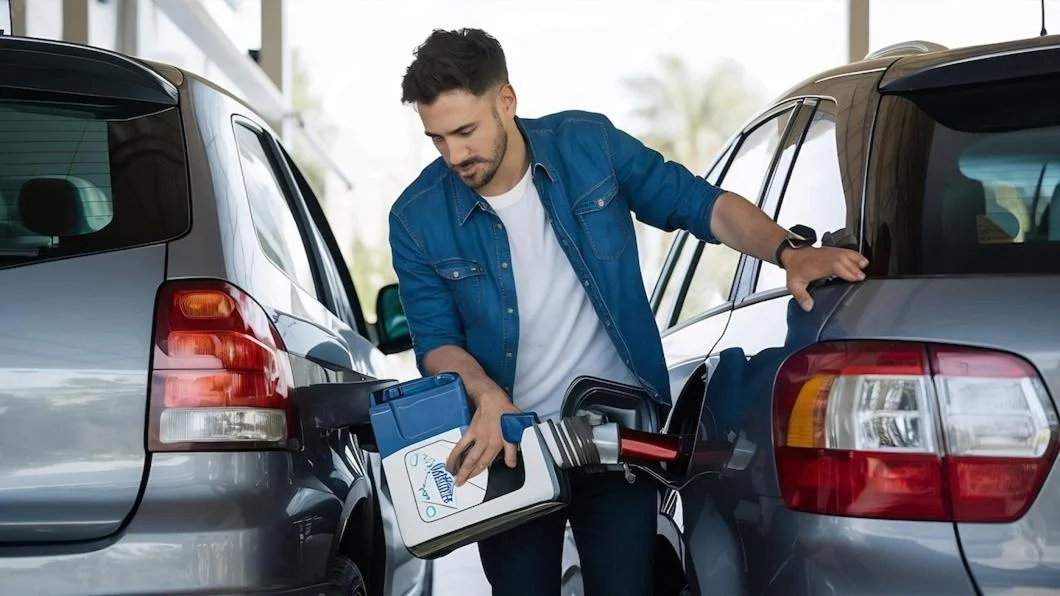
Car Rentals should be easy, but fuel policies can sometimes confuse travelers. Each rental company has different rules about how you return the car and how much fuel should be in the tank. Understanding these policies helps you avoid extra charges and enjoy a smooth rental experience. In this simple guide, we explain the most common fuel policies and how to choose the best one for your trip.
What Are Fuel Policies in Car Rentals?
Fuel policies are rules about how you receive and return the rental car’s fuel. These rules decide whether you need to refill the tank before returning the car or if the company handles it for you. Companies like Final Rentals make these policies clear so you can plan without surprises.
Full-to-Full Fuel Policy Explained
The full-to-full policy is the most common and usually the most cost-friendly.
Here’s how it works:
-
You pick up the car with a full tank.
-
You return it with a full tank.
This policy gives you control over fuel costs. You only pay for the fuel you use, and you can refill at your preferred station, where prices are often cheaper than rental company rates.
Full-to-Empty: How It Works
Under the full-to-empty policy, you receive the car with a full tank but don’t need to refill it before returning it.
This sounds simple, but there’s a catch:
-
You pay upfront for a full tank of fuel.
-
No refund is given for unused fuel.
This policy usually suits long-distance travelers who plan to use the full tank. If you’re only driving short distances, it might cost more than necessary.
Pre-Purchase Fuel Options
Some companies offer pre-purchase fuel options, allowing you to pay for the fuel in advance at a competitive rate.
This is helpful when you want to avoid the stress of finding a fuel station before returning the car.
Benefits include:
-
Saves time
-
Fixed fuel cost
-
No refill worries
However, you should check if unused fuel is refundable. Policies vary from company to company.
Which Fuel Policy Is the Most Cost-Effective?
For most travelers, the full-to-full policy saves the most money. You only pay for what you actually use, and refilling at a local station is usually cheaper.
But if you’re in a rush or returning the car very early or late, pre-purchase options may be more convenient.
Common Mistakes Renters Make With Fuel Policies
Here are mistakes many renters make:
-
Not checking the fuel level at pickup
-
Forgetting to refill before returning
-
Not keeping fuel receipts
-
Misunderstanding policy terms
Avoiding these mistakes can save you time and extra charges.
How to Avoid Extra Fuel Charges
To stay safe from unexpected costs, follow these tips:
-
Always read the fuel policy before signing the agreement
-
Check the fuel gauge at pickup
-
Take a photo of the fuel level
-
Refill the tank close to the drop-off location
-
Keep receipts as proof
Rental companies like Final Rentals keep policies simple, but it’s always better to double-check the details.
Tips for Saving Money on Fuel When Renting a Car
-
Choose a fuel-efficient or hybrid vehicle
-
Drive smoothly to save fuel
-
Avoid unnecessary idling
-
Use navigation apps to find the shortest routes
-
Compare fuel prices nearby
Small steps can help you save more during your trip.
Why Choosing the Right Fuel Policy Matters
Picking the right fuel policy can impact your total travel cost. A good policy gives you flexibility, control, and peace of mind. Whether you prefer full-to-full or pre-purchase fuel, understanding how each option works helps you avoid confusion and enjoy the journey.
Final Thoughts: Picking the Best Fuel Policy for Your Trip
Fuel policies may seem small, but they matter when renting a car. The best choice depends on your travel style and how much driving you plan to do. If you want transparency and convenience, companies like Final Rentals offer clear fuel policies that help you travel confidently.