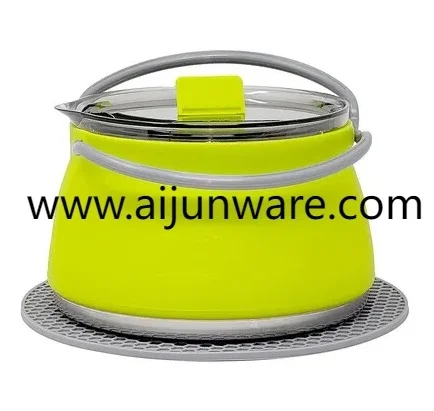
Small, clever mods can turn everyday gear into multi task champions, and a Camping Water Pot is one of the easiest items to adapt for better performance and comfort. Whether you are boiling for breakfast in crisp mountain air or filling bottles at a basecamp, a few simple DIY steps improve safety, reduce fuss and add useful features without heavy tools. Below are practical hacks and step by step ideas that keep meal times smooth and make a single pot serve many roles.
DIY handle sleeve for heat protection and grip
A lightweight insulating sleeve protects hands when pouring and keeps the pot usable straight from the stove. Use a strip of fabric wrapped in thin foam and stitch or bind the edges to form a snug tube. An alternate quick option is to roll a piece of closed cell foam and secure it with sewing thread so it slides over the handle. For a waterproof solution use a small sleeve of silicone sheet that resists heat and cleans easily. Make sure any material near flames is kept a safe distance from direct heat and that attachment points are secure before field use.
Add a lid filter or temporary tea strainer
A fine mesh patch glued gently to the inside of the lid creates a temporary tea strainer or acts as a crude pour filter when draining pasta or rinsing produce. Use stainless mesh held in place with high temperature adhesive that is rated for cookware contact. Another tidy option is to fashion a removable cloth filter that tucks under the lid rim and can be lifted out to empty solids. These mods are handy for coffee, for rinsing grains and for keeping sediment in the pot when pouring.
Marking volume lines quickly and visibly
Adding measurement guides makes portioning and recipe scaling effortless. Use a metal scribe to etch faint lines inside the pot then darken them with food safe marker or with strips of heat resistant tape on the outside. For a less permanent tweak apply thin adhesive strips at key fill points on the interior rim. Test marks at home with a known quantity so your markers match real volume. Clear marks reduce guesswork and help groups ration water and fuel more efficiently.
Folding handle mods and hanging options
If your pot has a removable handle try bending a short loop at the connection end so it can hang from a branch or a grill rack. For pots with fixed handles add a small welded loop on the lid edge to enable suspension over coals or from a simple tripod. Another approach is to attach a foldaway hook that tucks flat while packed and swings open to hang the pot. Ensure all bends and welds are sturdy enough to support a loaded pot and test the hanging method at home before trusting it in the field.
Portable repairs that keep your equipment working
Field fixes save a trip home. Aluminum foil wrapped tightly around a small dent can restore decent sealing for a lid and helps resist further tearing. For gasket or handle attachments use a high temperature adhesive that tolerates steam and repeated heating cycles. Glass fiber tape offers abrasion resistance and holds in place when heat tolerant adhesives are used beneath it. Keep repair items small in a kit so you can address dents, loose handles and small leaks without heavy tools.
Safety limits and recommended materials list
DIY adjustments are useful but stay within safe limits. Never place insulation or vegetable based adhesives directly in the flame zone. Avoid materials that melt into the pot or that could outgas at cooking temperatures. Preferred materials include stainless steel mesh, silicone sheet rated for cookware contact, closed cell foam, food safe high temperature adhesives and glass fiber tape designed for high heat. For sewing use waxed thread or heat resistant nylon. When in doubt run a short test at home using the same cookware and fuel you will use on the trail.
Tools and a simple kit list
Keep a compact kit that includes a small roll of foil, a piece of silicone sheet, stainless mesh patch, heat tolerant adhesive in a small tube, a length of glass fiber tape and a needle with strong thread. A tiny multitool and a lighter are useful for shaping and testing. These items fit in a small pouch and allow quick fixes and upcycling work without adding much weight.
Quick how to approach for each mod
Plan the intended use and pick materials accordingly. Assemble tools and test fit on a cold pot before committing adhesive or solder. Where possible make mods removable so the pot can be restored to its original state for cleaning or warranty reasons. Document your changes with a quick photo so you can repeat the mod on spare pots if you like the result.
A Camping Water Pot becomes more than a vessel when these hacks are applied. They add comfort, improve functionality and allow one pot to perform the roles of kettle sieve measuring cup and hanging cooker. Do the work carefully, follow safety boundaries and choose materials meant for cooking use so your clever mods keep you warm and fed rather than creating new problems. If you want to compare pot families finishes and accessory options that suit these DIY approaches see product lines and accessories at the cookware collection on the supplier site: www.aijunware.com/product/ .