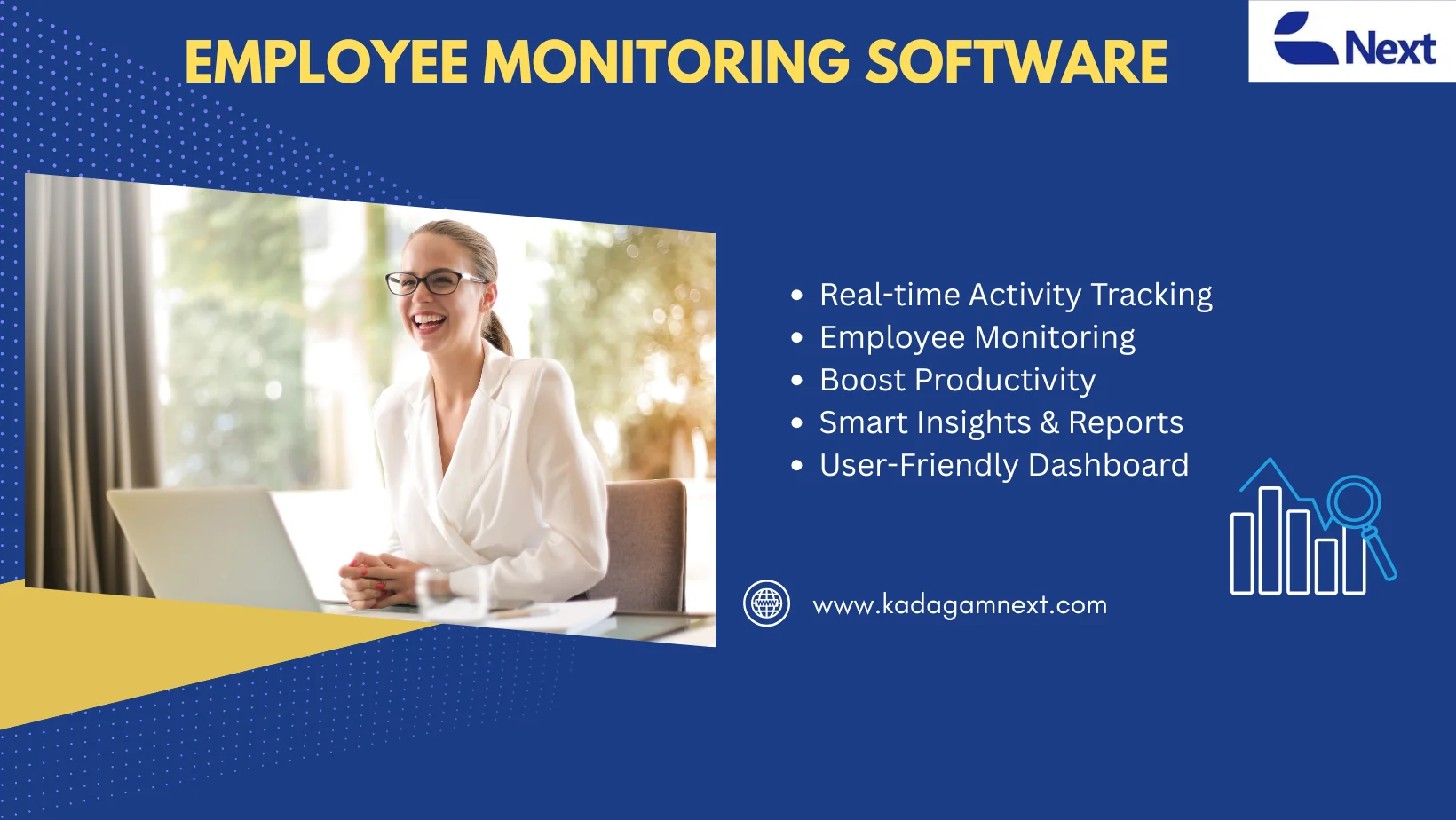
The modern workplace looks very different from what it was a few years ago. Today, people work from offices, homes, co-working spaces, and even while traveling. Teams collaborate across cities and time zones, and businesses rely on digital tools for almost every task. In this rapidly changing environment, companies often struggle to understand workflow patterns, maintain productivity, and ensure data security. This is where employee monitoring software becomes a valuable asset.
Employee monitoring software is not about watching employees or creating pressure. Instead, it focuses on giving organizations clarity—clarity about how work is progressing, how time is spent, which tools are being used, and where performance can be improved. With the right system in place, businesses can make smarter decisions, build stronger teams, and maintain a productive yet comfortable work culture.
Why Businesses Need Employee Monitoring Software Today
As teams expand and work becomes more flexible, traditional supervision becomes impractical. Managers cannot always see what employees are working on, especially in hybrid and remote setups. This lack of visibility often leads to confusion, uneven workload distribution, and unrealistic expectations.
Employee monitoring software bridges this gap. It provides real-time insights into work habits, productivity trends, and task progress—helping companies stay informed without micromanaging. It also supports employees by giving them clear expectations, better time management tools, and transparent performance data.
In short, monitoring software benefits both sides: it empowers employers to optimize workflows and helps employees work more confidently and efficiently.
Key Features That Make Employee Monitoring Software Effective
1. Real-Time Activity Tracking
The software records active working hours, idle time, and task activity. This helps managers understand how the day is being utilized and identify any delays or inefficiencies. Instead of guessing, they rely on accurate data.
2. Automated Time & Attendance
Manual time tracking often causes errors and unnecessary disputes. Monitoring software automatically logs check-ins, check-outs, break times, and total hours. This ensures accurate payroll and fair compensation.
3. Productivity Analytics
Visual dashboards and analytics show productivity levels throughout the day or week. These insights help teams understand when they are most productive and where improvements can be made. It also helps managers plan better and distribute tasks more evenly.
4. Website & Application Reports
Employees often use multiple apps to complete work. Monitoring software shows which tools are used and how often. This helps identify helpful tools, reduce distractions, and streamline workflows.
5. Screen Monitoring (Ethically Designed)
Many systems offer optional screenshot or screen recording features, but with privacy controls. Screenshots can be blurred or captured at intervals. This is especially useful for companies handling sensitive information or managing remote workers.
6. Activity Alerts & Security Monitoring
The software sends instant alerts for unusual activities—such as unauthorized file transfers or suspicious website access. This protects sensitive data and helps companies maintain strong security policies.
7. Remote Workforce Support
Remote work becomes much easier with consistent productivity tracking, automated timesheets, and performance reports. Employees feel supported, and managers maintain clarity regardless of location.
How Employee Monitoring Software Benefits Employers
✔ Increased Productivity
Clear insights help managers reduce bottlenecks, provide timely guidance, and improve workflow structures.
✔ Better Performance Evaluation
Instead of relying on assumptions, performance reviews are based on real data—making evaluations fair and transparent.
✔ Stronger Data Security
Monitoring software acts as a shield against data breaches by tracking risky activities and ensuring compliance.
✔ Cost Efficiency
With fewer errors, better time management, and improved focus, businesses reduce operational costs and increase efficiency.
✔ Better Project Management
Managers can see how long tasks take, which helps with planning, forecasting, and meeting deadlines.
How It Helps Employees
Employee monitoring software isn’t just for employers—employees benefit too.
✔ Clear Expectations
They know exactly what is tracked and what’s expected.
✔ Fair Recognition
High performers get the credit they deserve with transparent data.
✔ Improved Time Management
Tracking their own productivity patterns helps employees improve efficiency.
✔ Less Work Stress
Structured workflows reduce confusion and make tasks easier to manage.
✔ Better Alignment with Managers
Both sides stay on the same page, improving communication and reducing conflicts.
Transparent Monitoring Builds Trust
For monitoring software to succeed, communication is crucial. Companies must explain what will be tracked, why it matters, and how the data will be used. When implemented transparently, the software strengthens trust and enhances teamwork.
Ethical monitoring supports employees rather than restricts them. It provides clarity, reduces misunderstandings, and creates a balanced workplace.
Final Thoughts
Employee monitoring software is more than a tracking tool—it is a strategic solution designed to make workplaces smarter, more organized, and more productive. By offering real-time insights, automation, security, and transparency, it empowers businesses to grow while helping employees perform at their best.
Whether you manage a small team or a large workforce, this software can bring structure, fairness, and efficiency to your everyday operations.
Email ID: info@kadagamventures.com