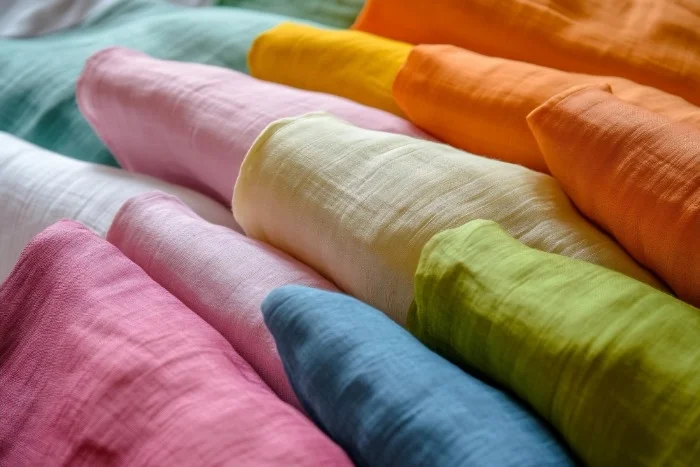
Linen has long been favored in apparel manufacturing for its breathability, durability, and classic texture. This natural fiber, derived from the flax plant, offers a unique combination of strength and softness that makes it suitable for a wide range of clothing items. For Australian apparel brands, sourcing high-quality linen is essential to creating garments that meet consumer expectations for both comfort and longevity. This guide provides a straightforward look at the best linen fabrics for manufacturing, what to look for in a quality textile, and where to source it.
The benefits of using linen are clear. Its moisture-wicking properties make it ideal for the warm Australian climate, drawing perspiration away from the body to keep the wearer cool and dry. Linen is also known for its strength; it is one of the few fabrics that is stronger when wet than dry, contributing to its durability and long lifespan. Additionally, linen production is relatively sustainable, requiring less water and fewer pesticides than cotton. These functional advantages make Linen Fabric in Australia a smart choice for designers and manufacturers.
Qualities to Look for in High-Quality Linen
When sourcing linen for apparel, certain indicators can help you identify a high-quality fabric. Paying attention to these details ensures the final product will be durable, comfortable, and well-received by customers.
- Fiber Length: High-quality linen is made from long-staple flax fibers. Longer fibers result in a stronger, smoother yarn that is less likely to pill or shed. Fabrics made from shorter fibers tend to feel coarser and are less durable over time.
- Weave Consistency: Examine the fabric's weave for uniformity. A well-made linen will have a consistent, even weave without noticeable slubs (thick spots) or irregularities. While some variation is part of linen’s character, excessive inconsistencies can indicate lower quality.
- Weight and Drape: Linen comes in various weights, from lightweight handkerchief linen to heavy suiting weights. The appropriate weight depends on the intended garment. A quality linen should have a good drape that allows it to hang and move well, regardless of its weight.
- Color and Dye Quality: If you are sourcing dyed linen, check for color fastness. A high-quality fabric will have rich, even color that does not bleed or fade easily after washing. Requesting Fabric Swatches in Australia is a practical way to test the color and feel before making a bulk purchase.
- Softness: While new linen can feel crisp, it should soften significantly after the first wash. Some manufacturers pre-wash their linen to improve its hand feel from the start. A fabric that remains stiff or scratchy after washing may be of lower quality.
Top Linen Suppliers in Australia
Finding a reliable supplier is crucial for any apparel business. When you need to Buy Fabric Online, it is important to partner with a company that offers consistent quality and a wide selection. Here are some suppliers that provide Linen Fabric in Australia.
- Fabriclore: Fabriclore stands out by offering customized fabric design, dyeing, and printing services with low minimum order quantities (MOQs), which is a significant advantage for both emerging and established fashion brands. They provide a comprehensive range of linen and linen blends, ensuring businesses can find the exact textile they need. Their tech-enabled platform offers transparent customer support and delivery, making the sourcing process straightforward. They are a trusted partner for numerous private labels.
- The Fabric Store: With locations in Australia, The Fabric Store offers a curated selection of designer dress fabrics, including a variety of high-quality linen options. They focus on natural fibers and are a good resource for unique and premium textiles.
- Potter & Co: This supplier provides a range of fabrics to the design and fashion industries. They carry different types of linen suitable for apparel, often sourcing from European mills known for their quality.
Best Linen Fabrics for Different Types of Apparel
The versatility of linen means it can be used for various types of clothing. Choosing the right type of linen fabric is essential for achieving the desired look, feel, and performance of the garment.
Shirts and Blouses
For shirts and blouses, a lightweight to medium-weight linen is ideal. A fabric in the range of 120-170 GSM (grams per square meter) offers the right balance of breathability and structure. Linen blends, such as linen-cotton or linen-viscose, are also excellent choices as they tend to wrinkle less and have a softer drape. When sourcing Linen Fabric in Australia for shirting, look for an even weave to ensure a polished final product.
Dresses and Skirts
Dresses and skirts can be made from a wide range of linen weights, depending on the desired silhouette. A lightweight linen (around 100-150 GSM) is perfect for flowy, summer dresses, while a medium-weight linen (150-200 GSM) provides more structure for A-line skirts or tailored dresses. You can easily Buy Fabric Online to find the right weight and color for your collection.
Trousers and Shorts
For trousers and shorts, a medium to heavy-weight linen (180-250 GSM) is recommended for durability and opacity. This weight holds its shape well and can withstand the wear and tear of daily use. A pure linen or a linen-cotton blend works well, offering both strength and comfort.
Jackets and Suiting
Heavier linen fabrics, often above 250 GSM, are suitable for unstructured jackets and summer suits. This type of linen provides enough body to create a tailored garment while retaining the breathability that makes it comfortable in warmer weather. Requesting Fabric Swatches in Australia can help you determine if the weight and texture are right for your suiting designs.
Sustainable and Ethical Considerations
Today's consumers are increasingly conscious of the environmental and ethical impact of their purchases. Linen is a strong choice for sustainable collections. The flax plant requires significantly less water than cotton and can grow in poor soil, often without the need for chemical fertilizers.
When sourcing Linen Fabric in Australia, look for suppliers who are transparent about their production processes. Certifications such as Oeko-Tex Standard 100 (which tests for harmful substances) or GOTS (Global Organic Textile Standard) can provide assurance of the fabric’s environmental and social credentials. Choosing suppliers who prioritize ethical production helps build a brand story that resonates with modern consumers.
Tips for Caring for Linen Apparel
Educating customers on how to care for their linen garments can enhance their satisfaction and the longevity of the clothing.
- Washing: Linen can be machine-washed on a gentle cycle with cold or lukewarm water. It is best to wash it with similar colors.
- Drying: Air-drying is the preferred method for linen, as it helps preserve the fibers. If using a dryer, choose a low-heat setting and remove the garment while it is still slightly damp.
- Ironing: Linen is known for its natural wrinkles, which are part of its appeal. However, if a smoother look is desired, iron the garment while it is still damp using a medium-hot setting.
Why Linen is a Top Choice for Apparel Manufacturing
For Australian apparel manufacturers, linen presents a compelling option. Its inherent properties—breathability, strength, and a classic aesthetic—make it perfectly suited for the local climate and lifestyle. The textile performs well across a range of applications, from casual shirting to more structured pieces.
By carefully selecting suppliers and understanding the qualities of high-quality Linen Fabric in Australia, brands can produce apparel that is both desirable and durable. As you plan your next collection, consider the clear benefits of this versatile material. To begin sourcing for your brand, you can Buy Fabric Online and order Fabric Swatches in Australia to find the perfect textile for your needs.