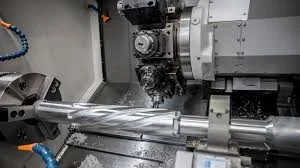
Finding the right manufacturing partner can make or break your project, especially when precision, durability, and consistency are essential. Whether you’re designing prototypes, producing custom parts, or scaling up to full-batch manufacturing, choosing quality CNC machining solutions ensures that every component meets strict engineering standards. With a wide range of options available in the CNC manufacturing industry, it can be challenging to know which provider delivers both high-grade workmanship and excellent value. This guide explores the most important factors to consider when evaluating CNC machining services, helping you confidently choose a partner capable of supporting your production needs.
As industries like aerospace, medical, automotive, and robotics continue evolving, the demand for reliable CNC machining grows. Engineers and manufacturers now require solutions that combine cutting-edge technology with proven expertise. The right machining partner does more than simply cut metal—they help optimize designs, minimize waste, and ensure your parts perform flawlessly in real-world applications. Understanding how to identify high-quality CNC machining solutions is the first step toward ensuring your project is built to last.
Understanding What Quality CNC Machining Solutions Really Mean
Not all machining services are created equal, and understanding what defines true quality CNC machining solutions is essential before selecting a provider. Quality usually begins with precision, repeatability, and adherence to tight tolerances. A machining company that invests in state-of-the-art equipment, such as 3-, 4-, and 5-axis CNC mills and lathes, is better equipped to deliver consistent results. Equally important is the expertise of the machinists operating these machines. Skilled technicians who understand machine programming, tool paths, and material behavior contribute significantly to the overall output quality.
Beyond equipment and expertise, another important component of quality CNC machining solutions is process control. High-quality providers maintain a structured workflow that includes first-article inspections, in-process checks, and final inspections using advanced metrology tools. This ensures that every part meets customer specifications and industry standards. When choosing a machining provider, understanding how they manage quality at each stage of production gives you confidence that your parts are in reliable hands.
Key Features to Look for in a CNC Machining Service Provider
Selecting the right CNC machining partner requires careful evaluation of their capabilities. One of the first features to consider is the variety of materials they work with, including metals such as aluminum, stainless steel, brass, titanium, and tool steel. A company offering quality CNC machining solutions should also support high-performance plastics like PEEK, Delrin, and nylon. Access to a wide range of materials ensures they can accommodate diverse project requirements without compromising performance, durability, or cost.
Another key feature is the provider’s range of machining processes. Companies offering milling, turning, drilling, tapping, EDM, and surface finishing provide a complete solution under one roof. This not only improves production efficiency but also reduces the risk of errors that occur when outsourcing to multiple vendors. Look for providers with in-house finishing services such as anodizing, powder coating, bead blasting, and heat treatment. These additional capabilities demonstrate their commitment to offering comprehensive and high-quality CNC machining solutions tailored to different applications.
How to Evaluate the Quality and Precision of CNC Machined Parts
Evaluating the quality of machined parts involves more than a simple visual inspection. Precision is measured by how closely the finished part matches the original CAD model, including tolerance control, surface finish, and dimensional accuracy. Reputable providers use advanced inspection tools like coordinate measuring machines (CMM), digital micrometers, and optical comparators to confirm accuracy. When researching a supplier, ask about their inspection reports and whether they provide full documentation, such as quality certificates or material traceability records.
Another important element of evaluating quality CNC machining solutions is consistency. Even the most precise part is useless if the manufacturer cannot reproduce it in future batches. A reliable partner maintains strict, repeatable processes that guarantee identical results across multiple production runs. Manufacturers with ISO 9001 or AS9100 certifications often follow proven quality-management systems. These certifications indicate that the company adheres to rigorous standards and continuously improves its processes, giving you added assurance that your parts will meet expectations every time.
The Role of Technology and Innovation in CNC Machining Quality
Technology plays a vital role in determining the quality and efficiency of CNC machining services. Modern CNC machines equipped with multi-axis capabilities can produce complex geometries that were once impossible using traditional methods. These machines reduce manual intervention, minimize the risk of human error, and offer exceptional precision. Providers who regularly upgrade their equipment demonstrate a commitment to offering industry-leading and quality CNC machining solutions capable of meeting evolving production needs.
Additionally, innovative software tools greatly enhance CNC machining accuracy and speed. Computer-aided design (CAD) and computer-aided manufacturing (CAM) software optimize tool paths, reduce material waste, and shorten production cycles. Simulation tools enable machinists to identify potential issues before production begins, preventing costly mistakes. Companies that leverage digital twin technology, automation, and real-time monitoring not only improve part quality but also reduce lead times and enhance operational efficiency. This combination of advanced technology and innovation is what sets top-tier CNC machining providers apart from their competitors.
Tips for Choosing the Best CNC Machining Partner for Your Needs
Choosing a reliable machining partner starts with knowing your project’s specific requirements. Consider factors such as tolerance needs, material preferences, volume, and turnaround time. Communicating these details clearly will help you determine whether a provider’s capabilities align with your goals. High-quality CNC machining solutions must include responsive customer service, technical guidance, and transparent communication. Providers who offer design support or DFM (Design for Manufacturability) recommendations can help you optimize your parts for better efficiency and lower production costs.
Another tip for selecting the right CNC machining service is evaluating customer reviews, industry reputation, and previous project experience. Look for a partner who has worked with companies in your industry or who can demonstrate successful case studies. Request quotes from multiple providers and compare not only the price but also the value they offer, including quality assurance, precision capability, and support services. The best machining partner is one who invests in your project’s success and consistently delivers high-quality CNC machining solutions tailored to your unique manufacturing needs.