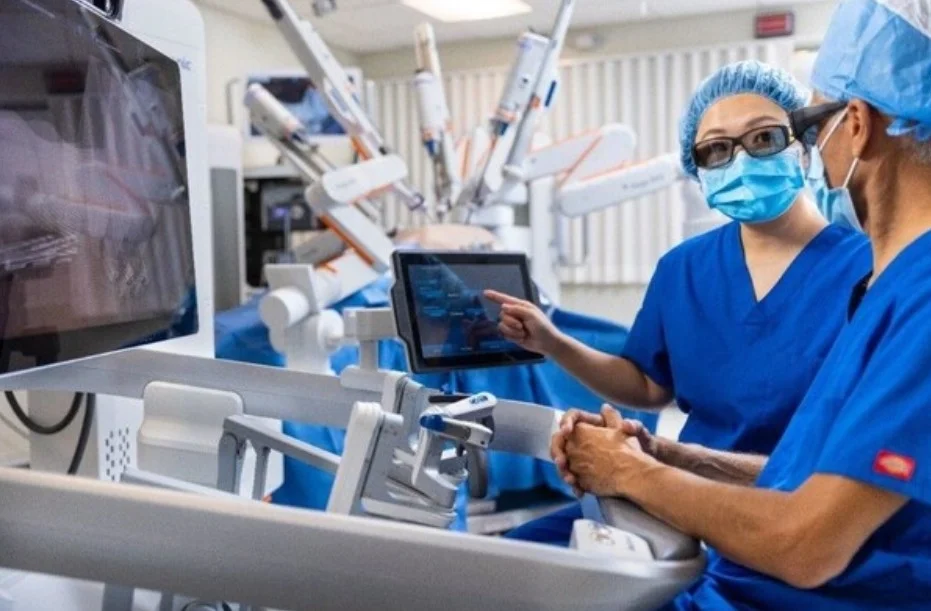
Reprocessing robotic surgical instruments is one of the most delicate responsibilities within a hospital’s sterile services department. Unlike standard surgical tools, robotic instruments—such as those used in the Da Vinci Surgical System—contain intricate components, sensitive electronics and micro-joints that require exceptional precision to clean, disinfect and sterilise. Hospitals depend on sterile processing professionals to ensure these devices function safely for every procedure. Because contamination or improper handling can lead to serious patient risks, the entire workflow must follow strict evidence-based protocols.
If someone wants to develop the competence needed for this specialised role, a structured training programme is essential. Courses like a Sterile Processing Technician Course provide the foundational knowledge required for this level of responsibility. Below, we will explore the core steps involved in safely reprocessing robotic surgical instruments and why specially trained professionals are critical for ensuring compliance and patient safety.
Understanding the Complexity of Robotic Instruments
Robotic instruments stand out because of their sophisticated design. Unlike basic clamps or forceps, Da Vinci attachments have delicate wristed ends, rotating shafts, fibre optics, insulated components and sometimes embedded chips. These elements make manual cleaning more complicated, and improper handling may damage internal mechanisms. Even small debris trapped in micro-joints can compromise function during surgery.
Professionals responsible for reprocessing these tools must understand the intended use of each instrument, the manufacturer’s instructions for use (IFU), and the specific validated cleaning techniques. Missing a step is not an option because these devices will later be inserted into a sterile surgical field. This is why structured and regulated training becomes critical in sterile processing.
Step 1: Pre-Cleaning and Safe Transport
The first essential step occurs immediately after surgery. Operating theatre staff must complete point-of-use pre-cleaning to prevent blood, proteins and debris from drying inside the tool’s articulation points. Moisture-retention gels or sprays are often applied to keep soils soft during transport.
Once pre-cleaned, the robotic instruments must be carefully transported to the decontamination area. Transport trays with proper supports help prevent bending, dropping or knocking, which could damage the tool. Unlike standard instruments that are more durable, robotic attachments must never be thrown together loosely or exposed to unnecessary physical stress. Safe movement from the operating theatre to reprocessing zones is the foundation of effective sterilisation.
Step 2: Manual Cleaning With Precision
Inside the decontamination area, sterile processing technicians begin the detailed manual cleaning stage. Robotic tools require disassembly according to IFU instructions. Components may include detachable shafts, wristed end pieces and connection ports. Technicians use soft antimicrobial brushes specifically designed for narrow channels and micro-joints.
Manual cleaning ensures that soil is physically removed before automated washing. This is especially important because ultrasonic cleaners and washer-disinfectors cannot compensate for debris trapped inside complex mechanisms. Each channel must be brushed individually, paying attention to rotation points and the instrument’s internal cavity. Technicians must also use detergents approved by the manufacturer to protect the material integrity of the robotic system. Their technique must be methodical, measured and consistent.
Step 3: Automated Washing and Validated Cycles
After initial manual cleaning, robotic instruments are placed in specialised holders within automated washer-disinfectors. These holders are custom-built to ensure each tool receives adequate water flow, detergent circulation and thermal disinfection.
Technicians select validated cycles that match the exact IFU specifications. If the wrong cycle is chosen—such as excessive temperature or pressure—it could warp small plastic components, loosen adhesives or damage the device’s articulation mechanisms.
During this stage, proper loading techniques are essential. Instruments must not overlap, block spray arms or restrict water movement. The automated washing cycle must reach all internal channels evenly. Skilled sterile processing staff ensure every load meets compliance standards and undergoes routine quality checks.
Step 4: Inspection Under Magnification
Once cleaned, robotic instruments require detailed visual inspection. High-magnification scopes are used to examine the wrist joint, fibre optics and channels for remaining debris, cracks or mechanical issues.
Because robotic tools have moving parts and electronics, technicians must assess functionality—checking whether joints move smoothly, ensuring insulation is intact and verifying there are no signs of corrosion. If any defect appears, the instrument must be removed from service immediately. Robotic surgery depends on absolute precision, so a single misaligned joint could affect surgical performance. This inspection step highlights how essential formal education and practice are for sterile processing teams.
Step 5: Sterilisation With Careful Packaging
Packaging robotic tools is another sensitive phase. These instruments require rigid sterilisation trays specifically designed to protect instrument alignment. Properly designed supports ensure the tool is immobilised and not exposed to unnecessary pressure.
Most robotic instruments are sterilised using steam cycles validated by the manufacturer. Technicians must follow exact temperature and duration requirements to ensure both sterility and material safety. After sterilisation, cooling and drying stages are equally important because moisture could damage the internal components over time. Once sterile, instruments move to storage areas where environmental controls keep them protected until needed for surgery.
Why Proper Training Matters
The reprocessing of robotic surgical instruments is far more complex than handling basic hospital tools. For this reason, healthcare facilities prioritise trained sterile processing technicians who have a strong understanding of microbiology, decontamination science, sterilisation cycles and IFU compliance.
Anyone aspiring to work in such environments benefits from enrolling in structured, recognised training such as a Sterile Processing Technician Course. This type of professional learning provides the technical knowledge, hands-on skills and regulatory understanding required for safe and effective instrument reprocessing. Robotic surgery continues to advance, and hospitals rely heavily on trained personnel to keep these instruments functioning flawlessly.
Final Thoughts
Safe reprocessing of robotic surgical instruments like those used in the Da Vinci system is a meticulous process that demands expertise, attention to detail and strict adherence to manufacturer guidelines. Each stage—from pre-cleaning to final sterilisation—plays a critical role in preventing infection and ensuring surgical precision.
As robotic surgery grows in popularity, highly trained sterile processing professionals will only become more essential. For those seeking to enter this in-demand field and master the skills required, a Sterile Processing Technician Course provides an ideal path toward building competence and contributing to patient safety.