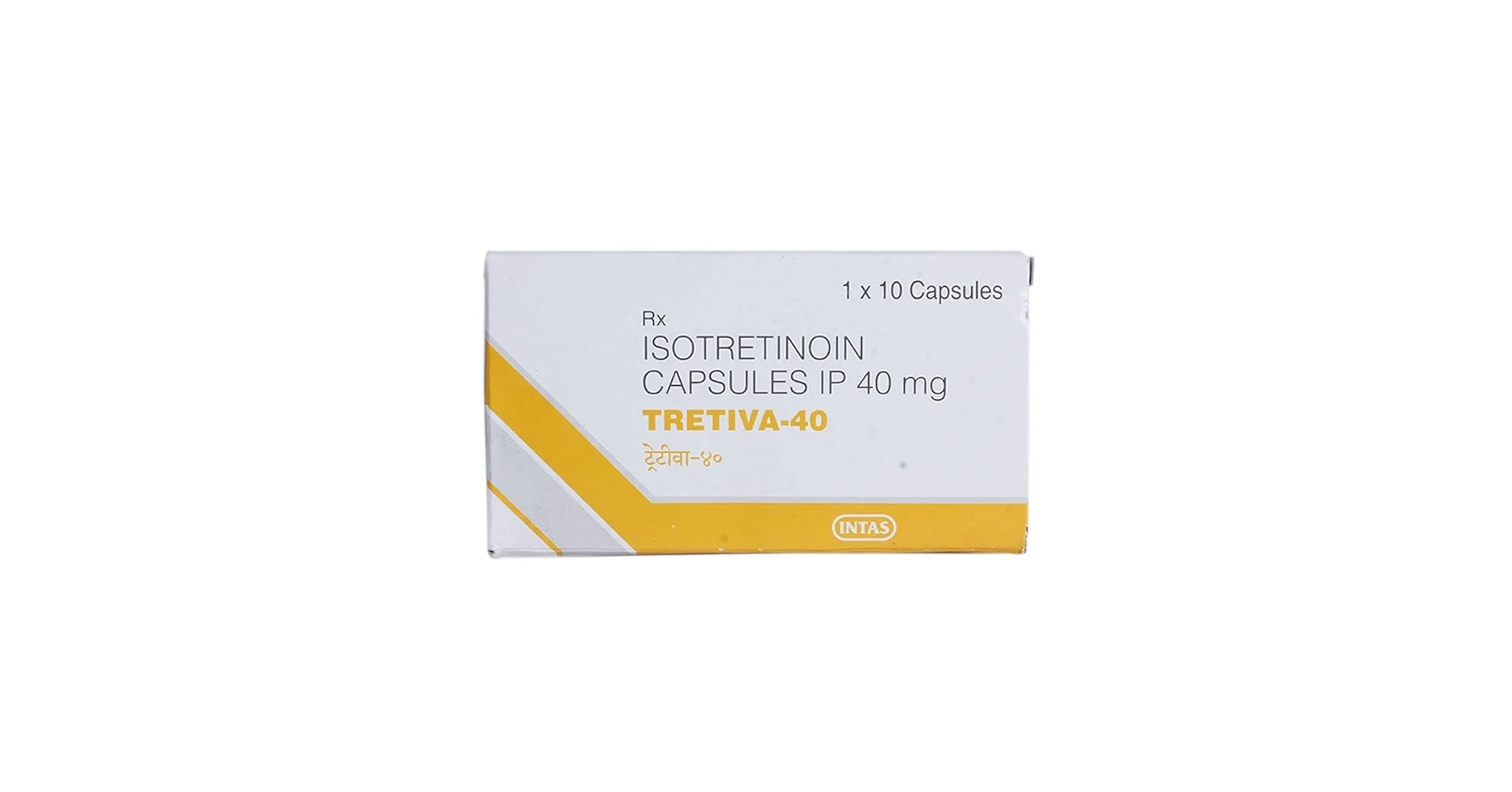
Tretiva 40 is a prescription medication commonly used for the treatment of severe, persistent, or nodular acne that does not respond well to other therapies. It contains isotretinoin 40 mg, a powerful derivative of vitamin A that works at the root causes of acne rather than just treating surface symptoms. Because acne is a complex condition involving oil production, clogged pores, bacteria, and inflammation, Tretiva 40 targets multiple biological pathways inside the body. Understanding how it works helps explain why it is highly effective—and why it must be used carefully under medical supervision.
Understanding Acne at a Biological Level
To understand how Tretiva 40 works, it’s important to first understand how acne forms. Acne develops when four main factors occur together:
-
Excess sebum (oil) production
-
Clogging of hair follicles with dead skin cells
-
Growth of acne-causing bacteria (Cutibacterium acnes)
-
Inflammation of the skin
Most topical treatments or oral antibiotics only address one or two of these factors. Isotretinoin, the active ingredient in Tretiva 40, is unique because it targets all four mechanisms simultaneously, making it one of the most effective acne treatments available.
1. Reduction of Sebum (Oil) Production
The most significant action of Tretiva 40 occurs in the sebaceous glands, which are responsible for producing sebum. Sebum is necessary for healthy skin, but excessive amounts create an environment where acne thrives.
Isotretinoin works by:
-
Shrinking the size of sebaceous glands
-
Reducing the activity of oil-producing cells
-
Dramatically decreasing sebum output
In many patients, sebum production is reduced by up to 90% during treatment. With less oil available, pores are less likely to clog, and acne-causing bacteria struggle to survive. This oil reduction is a key reason why isotretinoin can produce long-lasting or even permanent improvement in acne.
2. Normalization of Skin Cell Turnover
Another critical function of Tretiva 40 is its effect on keratinization, the process by which skin cells grow and shed. In acne-prone skin, dead skin cells stick together instead of shedding properly, leading to blocked pores.
Tretiva 40:
-
Regulates skin cell growth
-
Prevents excessive buildup of dead cells
-
Promotes normal shedding of the skin lining follicles
By keeping pores open and clear, isotretinoin prevents the formation of blackheads and whiteheads, which are the starting point of inflammatory acne lesions.
3. Reduction of Acne-Causing Bacteria
Cutibacterium acnes (formerly Propionibacterium acnes) is a bacteria that thrives in oily, oxygen-poor environments. When pores are clogged with oil and dead skin, this bacteria multiplies rapidly, triggering inflammation.
Tretiva 40 reduces bacterial growth indirectly by:
-
Eliminating excess oil (the bacteria’s food source)
-
Improving oxygen flow within pores
-
Reducing clogged follicles
Unlike antibiotics, isotretinoin does not directly kill bacteria, which means it does not cause bacterial resistance. This makes it a long-term solution rather than a temporary fix.
4. Powerful Anti-Inflammatory Effects
Inflammation is what makes acne painful, red, and swollen. Tretiva 40 has strong anti-inflammatory properties that help calm active breakouts and prevent future flare-ups.
It works by:
-
Reducing inflammatory chemicals in the skin
-
Limiting immune responses that worsen acne
-
Preventing deep cysts and nodules from forming
This anti-inflammatory effect is especially important for people with severe cystic or nodular acne, where inflammation can lead to scarring if not controlled.
5. Effects on Gene Expression
One of the most advanced ways Tretiva 40 works is by influencing gene regulation in skin cells. Isotretinoin binds to nuclear receptors in cells, altering how certain genes are expressed.
These genetic effects:
-
Control oil gland activity
-
Regulate skin cell growth
-
Reduce inflammation signals
-
Normalize follicle function
Because it changes how skin cells behave at a genetic level, isotretinoin can provide long-term remission even after treatment ends.
6. Systemic Action Throughout the Body
Tretiva 40 is taken orally, meaning it works systemically, not just on the skin’s surface. After absorption in the digestive system, isotretinoin enters the bloodstream and reaches sebaceous glands throughout the body.
This explains why it:
-
Treats acne on the face, chest, back, and shoulders
-
Improves deep cystic acne
-
Addresses widespread or severe breakouts
Due to this systemic action, the medication must be closely monitored to ensure safety.
7. Why Acne May Worsen Initially
Many patients experience an initial acne flare during the first few weeks of Tretiva 40 treatment. This happens because the medication rapidly pushes clogged material out of pores while adjusting oil production.
This early worsening:
-
Is temporary
-
Usually lasts a few weeks
-
Indicates the medication is working
Dermatologists often manage this phase with supportive care and reassurance.
8. Long-Term Effects and Acne Remission
One of the most remarkable aspects of Tretiva 40 is its ability to produce long-lasting acne remission. Many patients remain acne-free for years after completing a single course.
This happens because:
-
Sebaceous glands shrink permanently in many cases
-
Oil production remains lower even after stopping treatment
-
Skin cell turnover stays more balanced
While some individuals may need a second course, the majority experience significant and sustained improvement.
9. Why Tretiva 40 Requires Medical Supervision
Because isotretinoin affects multiple systems in the body, careful monitoring is essential. The medication can influence:
-
Liver function
-
Lipid (cholesterol and triglyceride) levels
-
Skin and mucous membranes
-
Mood and mental health (rare but monitored)
Doctors prescribe Tretiva 40 only when the benefits outweigh the risks and monitor patients through blood tests and regular follow-ups.
10. Impact on Skin Beyond Acne
In addition to clearing acne, Tretiva 40 often:
-
Reduces skin oiliness
-
Improves skin texture
-
Prevents new scars by controlling inflammation
-
Reduces existing redness over time
However, it can also cause dryness of the lips, skin, and eyes, which is a direct result of reduced oil production.
Conclusion
Tretiva 40 works inside the body by targeting the fundamental biological causes of acne—excess oil production, clogged pores, bacterial growth, and inflammation. Through its powerful effects on sebaceous glands, skin cell turnover, and gene regulation, it offers a comprehensive and long-lasting solution for severe acne. Because it acts systemically and influences multiple body processes, it must always be used under strict medical supervision. When used correctly, Tretiva 40 has the potential to not only clear active acne but also transform long-term skin health and confidence.