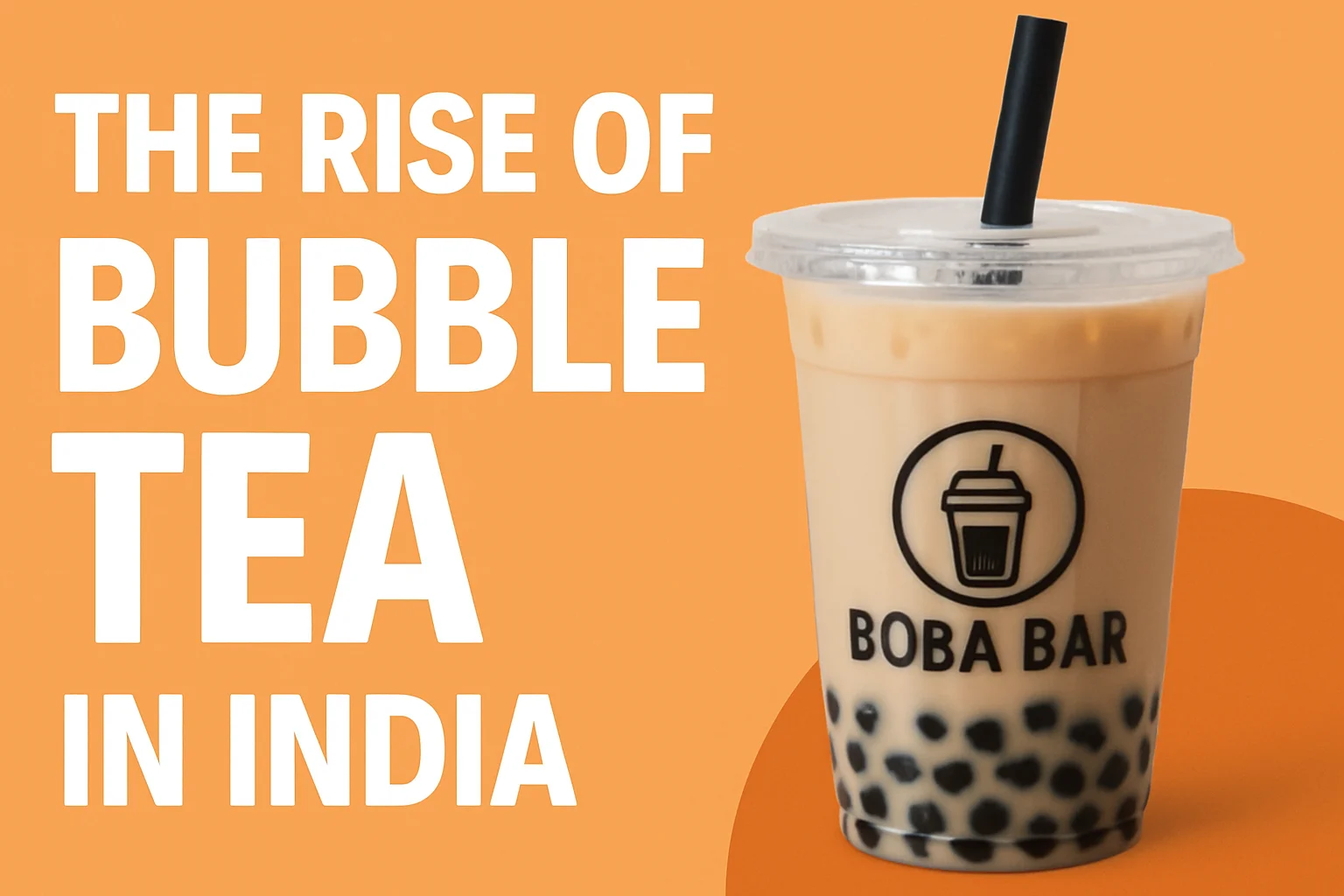
Bubble tea in India has evolved far beyond being just a refreshing beverage. Today, it represents a lifestyle choice deeply connected to youth cafe culture, social media influence, and changing taste preferences. From college students to young professionals, bubble tea has become a symbol of self-expression and modern indulgence.
Bubble Tea and the Rise of Youth Culture
Urban Indian youth constantly seek experiences that are both global and relatable. The rapid growth of bubble tea in India fits perfectly into this mindset. With its colourful appearance, customisable sweetness levels, and fun toppings like tapioca pearls, bubble tea offers more than taste—it offers personality in a cup.
Cafés serving bubble tea have become popular hangout spots, replacing traditional coffee-only spaces. Young consumers don’t just visit for a drink; they come for the vibe, Instagrammable aesthetics, and the sense of belonging that modern cafés create.
Social Media Fuels the Boba Tea Trend
One major reason behind the growing boba tea trend is its dominance on social media platforms. Reels, stories, and short videos featuring slow-motion pearl scoops and creamy pours have made bubble tea visually irresistible. This constant digital exposure has turned bubble tea into a must-try beverage for Gen Z.
Young audiences trust peer recommendations more than advertisements. When influencers showcase flavoured bubble tea or unique combinations, it naturally drives curiosity and footfall to bubble tea cafés across Indian cities.
A Drink That Matches Gen Z Preferences
Unlike traditional beverages, bubble tea allows full customisation. Sugar level, ice level, milk base, and toppings—everything can be tailored. This flexibility strongly appeals to Gen Z drink choices, where individuality matters as much as flavour.
From fruity blends to chocolate-based teas, bubble tea satisfies both health-conscious consumers and indulgence seekers. The availability of non-dairy options has further widened its appeal among urban youth.
Bubble Tea as a Social Experience
Bubble tea cafés are designed to be social spaces. Friends meet after college, couples go on casual café dates, and freelancers work with a drink by their side. This transformation of cafés into lifestyle hubs has strengthened youth cafe culture across India.
Bubble tea fits seamlessly into this environment because it’s fun, shareable, and conversation-starting. Holding a cup of tapioca pearl tea has almost become a social statement among young consumers.
Global Influence with Local Flavours
The success of bubble tea also lies in its adaptability. While the concept originated abroad, Indian bubble tea brands have introduced flavours that resonate locally—mango, rose, chocolate, and coffee-based teas. This balance of global trends and local taste preferences has accelerated the acceptance of bubble tea nationwide.
Consumers feel they are experiencing something international while still enjoying familiar flavours, making bubble tea a perfect cultural bridge.
Why Bubble Tea Is Here to Stay
The popularity of bubble tea brands in India shows no signs of slowing down. As youth spending power increases and café culture expands into tier-2 cities, bubble tea continues to gain relevance. It’s not a passing trend—it’s becoming part of everyday urban life.
Bubble tea’s success is rooted in experience, community, and identity. For Indian youth, it’s not just about quenching thirst—it’s about being part of something modern, fun, and expressive.