Growing older brings many changes, and vision is often one of the first areas where people notice a difference.
Mild difficulty with near vision or occasional eye strain can be a normal part of ageing.
However, not every vision change should be dismissed as “just age.”
Understanding the difference between normal ageing and cataract is essential for protecting sight.
This clarity often comes from timely evaluation and guidance by the Best Cataract Surgeon.
Early understanding can prevent unnecessary vision loss and anxiety.
Understanding Normal Age-Related Vision Changes
As the eyes age, their natural lens gradually becomes less flexible.
This can lead to difficulty focusing on close objects, especially while reading or using digital screens.
Such changes usually develop slowly and are manageable with glasses or routine care.
Other age-related changes may include mild dryness or slower adjustment to light changes.
These symptoms are usually stable and do not significantly interfere with daily life.
Regular eye health checkups help track these changes safely.
Normal ageing does not typically cause severe blurring or faded vision.
Colors usually remain clear, and glare does not worsen dramatically.
When symptoms move beyond these limits, further evaluation becomes important.
What Exactly Is a Cataract?
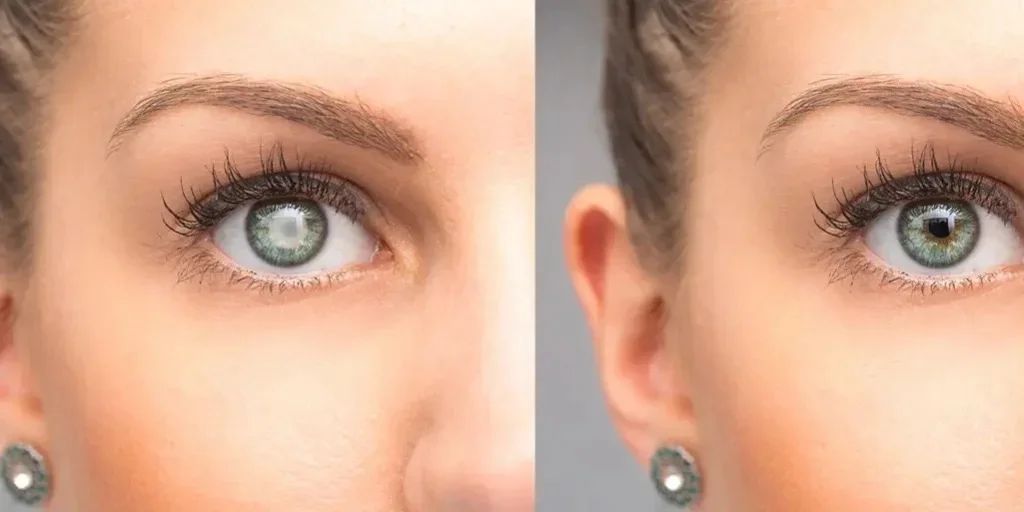
A cataract occurs when the eye’s natural lens becomes cloudy.
This clouding prevents light from passing clearly through the lens to the retina.
As a result, vision becomes blurred, dim, or distorted.
Unlike normal ageing changes, cataracts tend to worsen over time.
Simple activities like driving, reading, or recognizing faces can become challenging.
This progression often signals the need for expert assessment.
The Best Cataract Surgeon plays a key role in identifying cataracts early.
Through detailed eye examinations, the surgeon can determine whether symptoms are age-related or pathological.
This distinction helps patients make informed decisions about care.
Key Differences Between Cataract and Normal Ageing
One major difference lies in how vision quality changes.
Normal ageing causes gradual focusing issues, while cataracts cause persistent cloudiness.
The difference may seem subtle at first but becomes clearer with proper testing.
Another distinction is light sensitivity and glare.
People with cataracts often struggle with night driving or bright sunlight.
Normal ageing rarely causes such intense discomfort.
Color perception also changes differently.
Cataracts may cause colors to appear dull or yellowed.
This symptom is not typical of routine age-related vision changes.
Why Early Evaluation Matters
Ignoring early symptoms can lead to avoidable vision loss.
Many people delay care assuming their vision problems are age-related.
This delay may reduce quality of life unnecessarily.
A timely consultation with the Best Cataract Surgeon helps clarify concerns.
Early diagnosis allows for monitoring and planning rather than rushed decisions.
This approach offers reassurance and preserves confidence.
Regular eye health checkups provide a baseline for comparison.
They help detect subtle changes before they become disruptive.
This proactive care supports long-term eye wellness.
How the Best Cataract Surgeon Makes the Difference
Accurate diagnosis is the foundation of effective care.
The Best Cataract Surgeon uses advanced diagnostic tools to assess lens clarity.
These tests are painless, detailed, and tailored to individual needs.
Beyond diagnosis, clear communication is essential.
Patients receive explanations that are easy to understand and reassuring.
This clarity reduces fear and uncertainty around eye conditions.
Personalized care planning is another vital role.
Not every cataract requires immediate surgery.
The surgeon helps decide the right timing based on lifestyle and vision needs.
The Role of an Eye Care Hospital in Cataract Evaluation
A well-equipped eye care hospital supports precise diagnosis.
Advanced imaging and testing provide accurate insights into eye health.
This environment enhances the surgeon’s ability to guide patients effectively.
Comprehensive care also includes monitoring other eye conditions.
Issues like glaucoma or retinal changes can influence cataract management.
Integrated care ensures nothing is overlooked.
The presence of experienced support staff further improves patient comfort.
From initial testing to follow-up visits, care feels coordinated and calm.
This experience builds trust and confidence.
When Cataract Surgery Becomes Necessary
Cataract surgery is considered when vision loss affects daily activities.
Difficulty reading, driving, or recognizing faces are common indicators.
The decision is always patient-centered.
The Best Cataract Surgeon evaluates functional vision, not just test results.
Lifestyle needs and personal comfort are carefully considered.
This thoughtful approach ensures surgery is truly beneficial.
Modern cataract surgery is safe and highly effective.
Advancements have made recovery quicker and outcomes more predictable.
Proper guidance helps patients feel prepared and supported.
Life After Cataract Treatment
Clearer vision often brings renewed independence.
Many patients report improved confidence and quality of life.
Simple joys like reading or outdoor walks become easier again.
Post-treatment care remains important.
Regular follow-up visits ensure healing progresses smoothly.
Ongoing eye health checkups protect long-term vision.
Education continues even after treatment.
Patients learn how to care for their eyes as they age.
This knowledge empowers healthier choices.
Building Trust Through Expertise and Care
Eye health decisions are deeply personal.
They require trust, clarity, and compassion.
These values define the relationship between patient and surgeon.
The Best Cataract Surgeon offers more than technical skill.
They provide reassurance, patience, and understanding.
This combination helps patients feel truly cared for.
Choosing the right eye hospital supports this journey.
A setting focused on comprehensive, ethical care makes a lasting difference.
Such environments prioritize patient well-being above all else.
Conclusion:
Understanding the difference between cataract and normal ageing is empowering.
It helps individuals seek care at the right time without fear or delay.
Informed choices protect vision and quality of life.
Guidance from the Best Cataract Surgeon ensures clarity at every stage.
From diagnosis to long-term care, expert insight matters.
The right eye hospital becomes a trusted partner in this journey.
With its commitment to advanced care, compassionate approach, and comprehensive eye services, MaxiVision Eye Hospital stands as a super speciality eye hospital dedicated to helping patients see clearly and live confidently at every age.