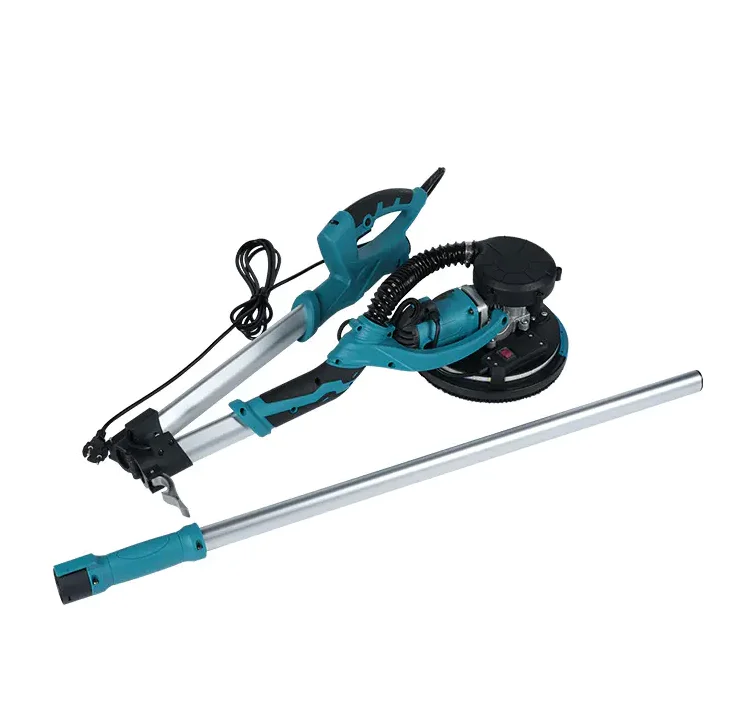
A Tile Vibrating Paver is a specialized construction tool designed to assist with tile installation by applying controlled vibration to freshly placed tiles. It is commonly used in residential and commercial flooring projects where flatness, adhesion, and surface consistency are important. By helping tiles settle evenly into adhesive layers, this equipment supports more predictable installation results.
The primary function of a Tile Vibrating Paver is to reduce air pockets between the tile and the bonding material. During manual placement, uneven pressure can leave voids that weaken adhesion. Vibration allows the tile to sink uniformly, distributing adhesive more evenly across the contact surface. This process helps improve bonding stability while reducing the need for repeated adjustments.
Design considerations influence how effectively the tool performs on different tile types. A Tile Vibrating Paver is typically built with a vibration motor, a flat contact plate, and a handle system that allows the operator to guide movement across the surface. The contact plate is often fitted with a protective layer to prevent scratching, especially when working with polished or delicate tiles.
Material choice and structural balance are important in tool construction. Manufacturers design the body of a Tile Vibrating Paver to withstand continuous vibration while remaining manageable in weight. Durable housings and well-mounted internal components help reduce wear during extended use. Balanced design also helps operators maintain steady control, contributing to consistent tile alignment.
Different projects may require varying vibration intensity and coverage. Some models of Tile Vibrating Paver allow adjustment of vibration frequency to suit tile size and thickness. Larger-format tiles, for example, often benefit from broader vibration coverage to ensure even contact across their surface. Adjustable settings help adapt the tool to different installation conditions without changing equipment.
Proper usage techniques are essential for effective results. When operating a Tile Vibrating Paver, installers typically move the tool slowly and evenly across the tile surface. Excessive pressure is avoided, as vibration rather than force achieves the desired effect. Following a systematic pattern helps ensure uniform treatment across the installation area.
Maintenance and care also affect long-term performance. Regular inspection of fasteners, vibration components, and protective pads helps maintain reliable operation. Keeping a Tile Vibrating Paver clean from adhesive residue reduces wear and supports smooth movement during future projects. These practices contribute to consistent tool behavior over time.
The adoption of vibrating tools reflects broader changes in construction methods. As tile sizes increase and surface expectations become more demanding, installers rely on equipment that supports accuracy and efficiency. A Tile Vibrating Paver helps address these needs by assisting with alignment and bonding without adding unnecessary complexity to the workflow.
In summary, a Tile Vibrating Paver serves as a practical aid in modern tile installation. Through controlled vibration, thoughtful design, and proper operation, it helps installers achieve even adhesion and consistent surface quality across a wide range of tiling applications.
https://www.falanstools.com/product/ceramic-tile-vibration-tiler/