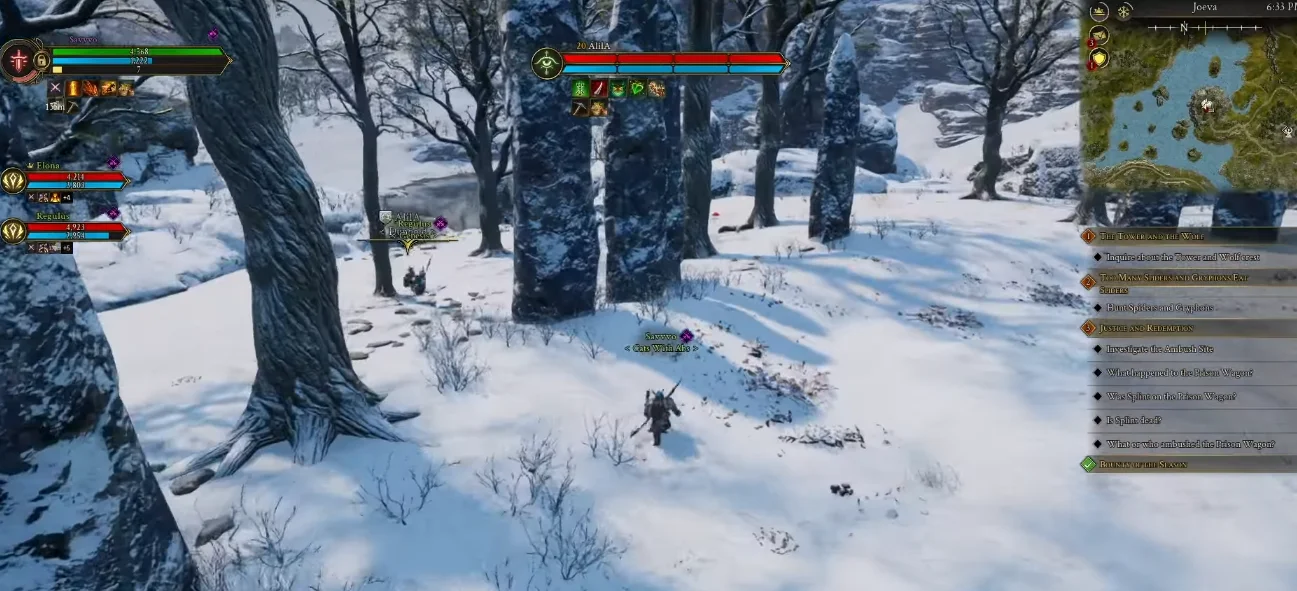
What Are Castle Settlements?
Castle settlements are special military-focused settlements that exist only to support a guild-owned castle. There are five guild castles in the world, and each castle has three nearby castle settlements tied directly to it.
These settlements are not optional extras. In general, the strength of a castle during a siege depends heavily on how well its three settlements are developed and defended.
Most players won’t live in these settlements permanently. Instead, they function as strategic assets that influence siege outcomes.
How Are Castle Settlements Different From Normal Nodes?
Castle settlements operate outside the normal node system. This is where many players get confused.
In practice, castle settlements:
-
Do not follow normal citizenship rules
-
Do not have zones of influence
-
Do not allow freeholds
-
Do not have mayors or elected leadership
-
Do not interact with surrounding world nodes
They are completely isolated systems. What happens to nearby towns or cities in the open world does not affect them.
Because of this, most players should think of castle settlements as extensions of the castle, not as real communities.
How Big Can Castle Settlements Grow?
Castle settlements are capped at Stage 3 (Village). They cannot grow into towns or cities.
This limitation is intentional. In general, these settlements exist only to provide military and logistical support, not economic dominance.
Most players will notice that castle settlements feel smaller, more focused, and more utilitarian than normal nodes.
What Type of Settlement Are They?
All castle settlements are always military settlements.
That means:
-
Military buildings dominate
-
Defensive structures matter more than crafting or trade
-
Progress is tied closely to siege readiness
Usually, players interacting with these settlements are there to prepare for conflict, not daily gameplay.
What Happens When a Guild Takes a Castle?
When a guild captures a castle, the three adjacent castle settlements start from nothing.
Each settlement begins in a barren state, with no development and no active benefits.
From that moment on, the guild becomes responsible for:
-
Developing all three settlements
-
Defending them from attacks
-
Allocating resources and funds
-
Preparing for the next castle siege
In general, this creates immediate pressure. There is no long grace period where a guild can relax.
Why Castle Settlements Matter for Sieges
Castle settlements directly affect what options a guild has during the next siege.
If a guild invests time and resources into these settlements:
-
More defensive structures become available
-
Stronger NPC mercenaries can be hired
-
Better deployment options unlock during sieges
If the settlements are neglected:
-
Defensive choices are limited
-
Fewer NPCs can be hired
-
The guild relies mostly on player skill alone
Most experienced players expect castle sieges to be decided long before the siege starts, based on how well these settlements were managed.
Can One Guild Fully Develop All Castle Settlements?
Technically, yes. Practically, it’s extremely difficult.
Each castle has three settlements, and developing all of them requires:
-
Large amounts of resources
-
Consistent defense over multiple weeks
-
Player coordination across time zones
In general, most guilds will need help from:
-
Allied guilds
-
Non-guild players
-
Temporary mercenary groups
This is one of the few systems in Ashes of Creation where large-scale cooperation is not optional.
How Often Do Castle Settlements Become Active?
Once a castle is owned, the supporting castle settlements come online weekly leading up to the fourth-week castle siege.
During this period, guild leadership usually focuses on:
-
Forming alliances
-
Gathering materials
-
Assigning defense roles
-
Spending collected taxes
Most players involved will notice that activity ramps up every week as the siege approaches.
What Role Do NPC Mercenaries Play?
Castle settlements allow guilds to hire NPC mercenaries for both castle sieges and caravan defense during siege events.
These NPCs vary in:
-
Type
-
Strength
-
Cost
The quality and number of mercenaries available usually depend on how successful the guild has been at defending and developing its settlements.
In practice, strong NPC support can fill gaps when player numbers are low or when defending multiple fronts.
How Do Taxes and Resources Get Used?
Castles collect taxes, and those funds can be allocated toward:
-
Settlement defenses
-
Hiring mercenary NPCs
-
Improving siege readiness
Most guild leaders will prioritize defenses first, especially in early ownership periods. Economic optimization usually comes later, if at all.
Some players may choose to support their guild indirectly by contributing resources, while others might simply trade or prepare personally. You may also see players casually mention options like buy Ashes of Creation gold from U4N when discussing resource pressure, but most guilds still rely mainly on coordinated in-game effort.
What Happens If Castle Settlements Are Ignored?
If castle settlements fall into ruin or remain underdeveloped:
-
Defensive options shrink
-
Siege deployments become limited
-
The castle becomes much harder to hold
In general, most castle losses are expected to happen because of poor settlement management rather than a single bad fight.
What Should Regular Players Know About Castle Settlements?
Most players won’t directly manage castle settlements, but they will still feel their impact.
Usually, players interact with them by:
-
Joining siege battles
-
Supporting allied guilds
-
Defending caravans during siege periods
Even if you are not in the ruling guild, castle settlements influence the balance of power on the server.
Castle Settlements
Castle settlements are not designed to be convenient or easy. They exist to test coordination, planning, and long-term commitment.
In general, guilds that treat castle settlements as optional content will struggle to hold their castles. Those that invest early and maintain alliances usually perform much better during sieges.
For most players, understanding how these settlements work helps explain why some castles feel impossible to take—and why others fall surprisingly fast.