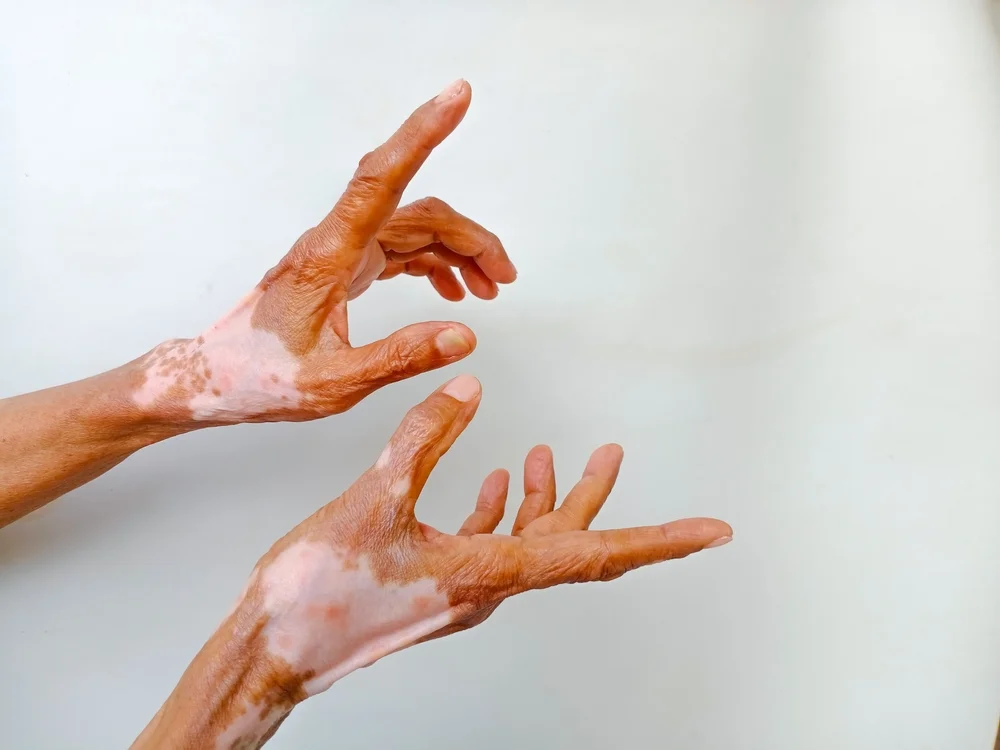
Depigmented skin can have a profound impact on a person’s appearance, self-esteem, and social interactions. Conditions such as vitiligo, which cause loss of skin pigment, are more than just cosmetic concerns—they affect daily life, emotional well-being, and overall confidence. Understanding how vitiligo affects your lifestyle is crucial for developing effective strategies to manage both the physical and psychological aspects of the condition. This blog explores modern approaches to managing depigmented skin, including medical treatments, cosmetic strategies, and lifestyle adjustments.
Understanding Depigmented Skin
Depigmentation occurs when the skin loses melanin, the pigment responsible for color. The most common cause is vitiligo, an autoimmune condition in which the immune system attacks melanocytes, the cells that produce pigment.
Impact on Daily Life
Loss of pigmentation can affect multiple areas of life:
- Self-esteem: Visible patches can cause embarrassment or anxiety, particularly in social or professional settings.
- Sun sensitivity: Depigmented areas are more susceptible to sunburn, requiring careful protection.
- Clothing and appearance choices: Many individuals adjust their wardrobe or use cosmetic products to camouflage affected areas.
Understanding these challenges is essential for comprehensive management.
Medical Approaches to Depigmented Skin
Advances in medical research have led to multiple treatment options designed to restore pigment, slow disease progression, or improve skin appearance.
Topical Therapies
Topical treatments are often the first line of therapy for localized depigmented patches.
- Corticosteroids: Reduce inflammation and can help stimulate pigment restoration in early vitiligo.
- Calcineurin inhibitors: Offer a steroid-free option for sensitive areas such as the face and neck.
- Combination therapies: Sometimes used with phototherapy to enhance repigmentation.
Consistency in application and adherence to a dermatologist’s guidance are key to achieving results.
Light-Based Therapies
Phototherapy has become a cornerstone in managing depigmented skin, especially for widespread or progressive vitiligo.
- Narrowband UVB therapy: Stimulates melanocytes and promotes repigmentation.
- Excimer laser treatment: Targets small depigmented patches with high intensity UV light.
Light-based therapies are often combined with topical medications to improve efficacy and minimize side effects.
Systemic Medications
For individuals with rapidly spreading or severe vitiligo, systemic treatments may be considered.
- Oral corticosteroids: Help control active inflammation and slow pigment loss.
- Immunomodulatory drugs: Emerging treatments aim to regulate the immune response that drives depigmentation.
Systemic therapies are typically reserved for extensive or resistant cases due to potential side effects.
Cosmetic and Camouflage Strategies
Even when medical treatments are used, many individuals choose cosmetic strategies to enhance appearance and confidence.
Makeup and Camouflage Products
- Concealers and foundations: Designed for long-lasting coverage of depigmented areas.
- Self-tanning lotions: Can help blend lighter areas with natural skin tone.
- Specialized pigments: Provide temporary or semi-permanent coverage for daily activities.
These products allow individuals to participate in social and professional settings without feeling self-conscious.
Hair and Clothing Choices
Depigmentation can also affect hair and scalp areas. Some strategies include:
- Hair dyes or wigs to camouflage white patches
- Clothing and accessories that complement or conceal affected areas
These approaches provide psychological comfort and enhance self-confidence.
Lifestyle Adjustments for Depigmented Skin
Managing depigmented skin extends beyond medical and cosmetic interventions. Lifestyle adjustments are critical for skin health and overall well-being.
Sun Protection
Depigmented areas lack melanin, which naturally protects against UV damage. Sun protection strategies include:
- Broad spectrum sunscreen with high SPF
- Protective clothing and hats
- Limiting sun exposure during peak hours
Regular sun protection reduces the risk of sunburn and long-term skin damage.
Stress Management
Stress is recognized as a potential trigger for vitiligo progression. Incorporating stress reduction techniques such as:
- Mindfulness meditation
- Yoga or regular exercise
- Counseling or therapy
can help stabilize disease activity and improve quality of life.
Skin Care Routine
Maintaining skin hydration and avoiding irritants can prevent secondary complications:
- Use fragrance-free moisturizers to protect the skin barrier
- Avoid harsh soaps or abrasive scrubs
- Gentle cleansing and moisturizing routines support overall skin health
Psychological Support and Community
Living with depigmented skin often carries emotional and social challenges. Support and counseling can help individuals cope with these impacts.
Therapy and Counseling
Professional mental health support can address anxiety, depression, or social withdrawal related to visible depigmentation.
Support Groups
Connecting with others who have similar experiences offers validation, encouragement, and practical advice for daily management.
Public Awareness and Advocacy
Raising awareness about vitiligo and other depigmented conditions helps reduce stigma and promote understanding within communities.
Emerging and Experimental Treatments
Research continues to uncover innovative approaches to repigmentation and immune regulation.
Cellular Therapies
Stem cell and melanocyte transplantation techniques aim to restore pigment in affected areas.
Targeted Immunotherapies
Emerging medications target specific immune pathways responsible for melanocyte destruction, offering the potential for more effective long-term management.
Combination Approaches
Combining topical, light-based, and systemic therapies may enhance results and reduce side effects compared to single treatments.
Monitoring and Long-Term Management
Depigmented skin conditions are chronic, and management often requires ongoing care.
- Regular dermatologic follow-up ensures early detection of new patches and assessment of treatment efficacy.
- Monitoring for psychological distress helps maintain mental well-being.
- Adjusting treatment strategies as disease activity changes improves long-term outcomes.
Conclusion
Depigmented skin can impact multiple aspects of life, from emotional well-being to daily routines and social interactions. Modern management strategies encompass medical treatments, cosmetic interventions, lifestyle adjustments, and psychological support. Early intervention and a comprehensive approach are key to improving both appearance and quality of life. For individuals seeking advanced therapies or contributing to research, participating in vitiligo treatment research offers opportunities to access innovative treatments and support advancements in the understanding and management of depigmented skin.