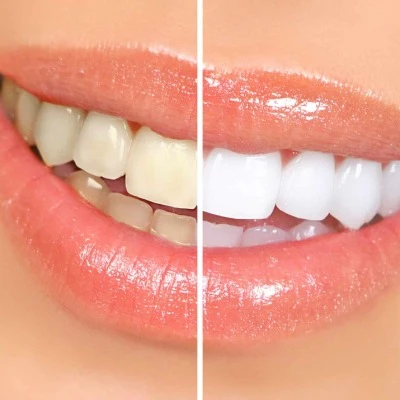
Teeth whitening is one of the most popular cosmetic dental procedures worldwide, and its demand continues to rise. In Pakistan’s capital, teeth whitening in Islamabad has become a go-to solution for people seeking a brighter, more confident smile. Despite its popularity, many patients hesitate to undergo whitening because of a common concern: Does teeth whitening damage enamel?
This detailed guide explores the science behind teeth whitening, its effects on enamel, safety measures, myths versus facts, and how the teeth whitening cost in Islamabad relates to treatment quality and safety.
Understanding Tooth Enamel:
To understand whether whitening damages enamel, it’s important to first understand what enamel is.
What Is Tooth Enamel?
Enamel is the hard, outermost layer of the tooth. It:
-
Protects teeth from decay
-
Shields against temperature and acidity
-
Provides strength for chewing
Although enamel is the hardest substance in the human body, it cannot regenerate once damaged. This is why concerns about enamel safety are valid and important.
How Teeth Whitening Works:
Professional whitening uses bleaching agents—usually hydrogen peroxide or carbamide peroxide—to lighten tooth color.
The Whitening Process Explained:
-
Bleaching agents penetrate enamel pores
-
Oxygen molecules break down stain compounds
-
Stains become colorless and invisible
This process changes stain color, not the tooth structure itself.
Does Professional Teeth Whitening Damage Enamel?
The Short Answer
No, professional teeth whitening does not damage enamel when performed correctly.
What Research and Dentists Say:
Studies show that dentist-supervised whitening:
-
Does not weaken enamel structure
-
Does not permanently thin enamel
-
Does not increase decay risk
Professional teeth whitening in Islamabad is designed to be safe, controlled, and effective.
Why Enamel Damage Is a Common Fear:
Many misconceptions about whitening come from:
-
Overuse of DIY remedies
-
Aggressive over-the-counter products
-
Internet misinformation
Understanding the difference between professional and unsupervised whitening is key to protecting enamel.
Professional Whitening vs DIY Methods:
Professional Whitening:
-
Dentist-supervised
-
Controlled peroxide concentration
-
Gum and enamel protection
-
Minimal risk
DIY or Home Remedies:
-
Baking soda, lemon, charcoal
-
Highly abrasive or acidic
-
Cause enamel erosion
-
Increase sensitivity
DIY methods are a major cause of enamel damage—not professional treatments.
Why Dentist Supervision Matters:
Dentists take multiple steps to protect enamel during whitening.
Protective Measures Include:
-
Pre-treatment oral examination
-
Identifying enamel weakness or cracks
-
Using protective barriers for gums
-
Selecting appropriate gel strength
These measures ensure that teeth whitening in Islamabad remains safe and enamel-friendly.
Temporary Sensitivity vs Enamel Damage:
What Is Tooth Sensitivity?
Sensitivity after whitening occurs when:
-
Bleaching agents temporarily irritate tooth nerves
-
Enamel pores are temporarily opened
Important Distinction:
Sensitivity is temporary and not a sign of enamel damage. It usually fades within 24–72 hours.
How Long Does Sensitivity Last?
Most patients experience:
-
Mild sensitivity for a few days
-
Normal sensation returns naturally
Dentists may recommend desensitizing toothpaste to ease discomfort.
Teeth Whitening Products and Enamel Safety:
In-Clinic Whitening:
Safest option due to professional control and monitoring.
Dentist-Provided Take-Home Kits:
Safe when used exactly as prescribed.
Over-the-Counter Products:
May be safe in moderation but less effective and harder to control.
Professional whitening remains the gold standard for enamel protection.
Can Teeth Become Weaker After Whitening?
No scientific evidence shows that professional whitening weakens teeth.
What Whitening Does NOT Do:
-
Does not thin enamel
-
Does not cause cracks
-
Does not increase cavities
Enamel remains intact when whitening is done responsibly.
Teeth Whitening Cost in Islamabad and Safety:
The teeth whitening cost in Islamabad varies based on:
-
Type of whitening treatment
-
Dentist experience
-
Technology used
Lower-cost, unregulated treatments may skip safety protocols, increasing enamel risk. Investing in professional care ensures safety and lasting results.
Who Should Be Cautious With Whitening?
Certain individuals may need extra care:
-
People with thin enamel
-
Those with untreated cavities
-
Patients with gum disease
-
Individuals with extreme sensitivity
A dental consultation determines whether whitening is suitable or needs modification.
How Dentists Minimize Enamel Risk:
Before Whitening:
-
Treat cavities and gum issues
-
Assess enamel thickness
During Whitening:
-
Use controlled gel concentration
-
Monitor treatment time
After Whitening:
-
Provide aftercare instructions
-
Recommend maintenance products
These steps protect enamel at every stage.
Common Myths About Whitening and Enamel:
Myth 1: Whitening Burns Enamel:
Fact: Whitening gels do not burn or dissolve enamel.
Myth 2: Repeated Whitening Is Dangerous:
Fact: When spaced properly and dentist-supervised, it is safe.
Myth 3: Stronger Gel Means Better Results:
Fact: Higher concentration increases sensitivity without improving results.
How Often Can You Safely Whiten Your Teeth?
Dentists generally recommend:
-
Professional whitening once every 12–18 months
-
Touch-ups as needed
Over-whitening can increase sensitivity, but not enamel damage when supervised.
Maintaining Enamel Health After Whitening:
Best Practices:
-
Brush gently with soft-bristle brush
-
Use fluoride toothpaste
-
Avoid acidic foods immediately after whitening
-
Attend regular dental checkups
Healthy enamel holds whitening results longer.
Whitening and Dental Restorations:
Crowns, veneers, and fillings do not whiten.
Why This Matters:
-
Natural teeth lighten, restorations do not
-
Color mismatch may occur
Dentists plan whitening carefully around existing dental work.
Whitening for Sensitive Teeth:
Patients with sensitive teeth can still whiten safely.
Options Include:
-
Lower-concentration gels
-
Shorter treatment times
-
Desensitizing agents
Dentists customize treatment to protect enamel and comfort.
Is Whitening Worth the Risk?
When done professionally, whitening has minimal risk and high reward.
Benefits Include:
-
Improved confidence
-
Youthful appearance
-
Non-invasive cosmetic enhancement
When balanced against the teeth whitening cost in Islamabad, whitening offers excellent value with proper care.
Signs of Unsafe Whitening Practices:
Avoid whitening if you notice:
-
Persistent pain
-
Gum burns
-
Chalky white spots
These signs often result from misuse of products, not professional treatment.
Professional Advice on Enamel Safety:
Most dental professionals agree:
-
Whitening is safe under supervision
-
Enamel damage is rare and avoidable
-
DIY misuse is the biggest threat
Choosing a reputable clinic is essential.
Final Thoughts:
So, does teeth whitening damage enamel? The answer is no—when performed professionally and responsibly. Professional teeth whitening in Islamabad is a safe, effective cosmetic procedure that enhances your smile without harming tooth structure.
Concerns about enamel damage often stem from misinformation and improper DIY methods. By choosing a qualified dentist and understanding the process, you can enjoy long-lasting whitening results with confidence.
While the teeth whitening cost in Islamabad may vary, investing in professional care ensures safety, comfort, and peace of mind. A brighter smile doesn’t have to come at the cost of your enamel—when done right, whitening is both safe and rewarding.
For more information visit Dental Clinic Islamabad.