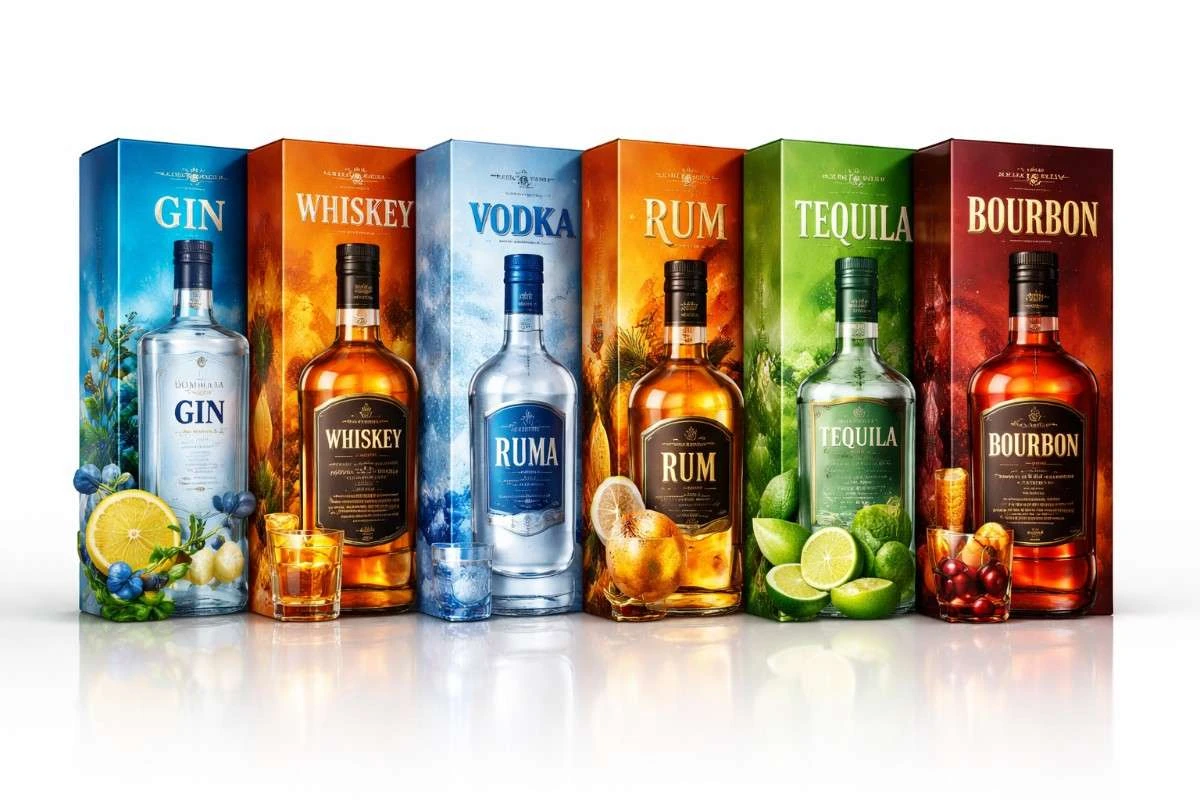
The alcoholic beverage glass packaging market plays a critical role in the global packaging ecosystem, supporting brand differentiation, product safety, sustainability goals, and premium positioning. In 2025, the market was valued at USD 43.94 billion and is projected to reach USD 60.67 billion by 2034, expanding at a compound annual growth rate (CAGR) of 3.65% during the forecast period.
Glass packaging remains a preferred choice for alcoholic beverages such as beer, spirits, wine, and baijiu due to its superior barrier properties, recyclability, and premium appeal. Unlike plastic or metal alternatives, glass preserves the original taste, aroma, and quality of alcoholic beverages without chemical interaction. This characteristic continues to make glass the material of choice for premium and craft beverage producers worldwide.
The market has evolved significantly in recent years. What was once a functional packaging solution has now become a strategic branding asset. Bottle shape, color, embossing, weight, and closure systems increasingly influence consumer purchasing decisions. As consumers associate glass bottles with quality, heritage, and authenticity, alcoholic beverage producers are investing heavily in innovative and sustainable glass packaging solutions.
Market Dynamics
Key Growth Drivers
Rising Consumption of Alcoholic Beverages
The global increase in alcohol consumption remains a primary growth driver for the alcoholic beverage glass packaging market. Social celebrations, urban lifestyles, rising disposable income, and evolving consumer habits continue to support demand for beer, spirits, and ready-to-drink alcoholic beverages. In September 2024, ready-to-drink bottles accounted for approximately 12 percent of the U.S. beverage alcohol market, highlighting a strong shift toward convenience-oriented consumption formats.
Premiumization and Brand Differentiation
Consumers increasingly associate premium alcoholic beverages with sophisticated glass packaging. High-end spirits, craft beers, and limited-edition products rely heavily on unique glass bottle designs to communicate brand value. Lightweight yet visually appealing glass bottles help brands strike a balance between sustainability and premium aesthetics.
Sustainability and Eco-Friendly Packaging
Environmental responsibility has moved from an optional strategy to a mandatory requirement. Glass packaging supports sustainability objectives through high recyclability, reduced material usage, and long product life cycles. Manufacturers are adopting lightweight glass bottles to minimize transportation emissions while maintaining structural integrity.
In May 2024, O-I Glass Inc. introduced a lightweight glass wine bottle in France, specifically designed to reduce carbon emissions across the supply chain.
Frequently Asked Questions
-
What is driving growth in the alcoholic beverage glass packaging market
Growth is driven by rising alcohol consumption, premiumization, sustainability demand, and increased use of recycled glass. -
Why is glass preferred over plastic for alcoholic beverages
Glass preserves taste, prevents contamination, offers premium appeal, and is fully recyclable. -
Which region dominates the market
Europe currently dominates, while Asia Pacific leads in revenue growth and North America is the fastest-growing region. -
What are the key challenges faced by manufacturers
High production costs, logistics expenses, and competition from alternative packaging materials. -
What is the future outlook of the market
The market is expected to grow steadily through 2034, supported by sustainability initiatives and premium beverage demand.
Source : https://www.towardspackaging.com/insights/alcoholic-beverage-glass-packaging-market-sizing