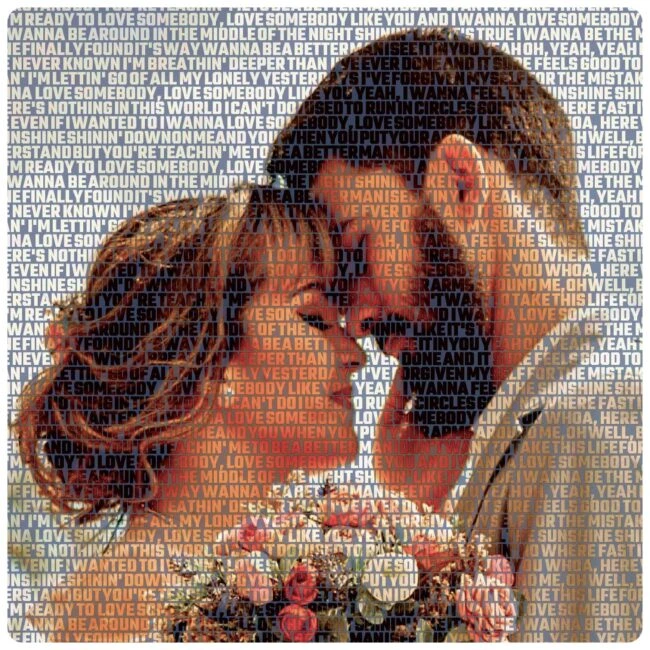
Digital art continues to change with technology, and one creative style gaining strong momentum in 2026 is picture to words. This form of art blends visuals and text to create images that communicate meaning on both visual and emotional levels.
As digital tools improve and people look for more personalized content, this trend is evolving faster than ever.
What Is Picture to Words Art?
This is a very special way of looking at the world where a picture is not just worth a thousand words but is actually made up of words, letters, or phrases instead of the old-fashioned colors or brush strokes.
When one is far away, the piece of art appears as an ordinary picture. However, when examined closely, the forms, shadows, and nuances are created solely with the help of text.
This approach includes crucial aspects of storytelling:
- Visual storytelling
- Typography design
- Emotional expression
Why This Digital Art Trend Is Growing in 2026
The acceptance of this art style in 2026 is being driven by several factors:
- Personalization demand: Consumers are looking for art that is tailored to fit their narratives, morals, and experiences.
- Content overload: In the social media world, text-based pictures are more noticeable than regular photos.
- AI and design tools: Modern software has simplified the process of converting images into word-based designs.
- Emotional connection: With the use of words, the art gets a deeper meaning and is thus more unforgettable.
Key Trends Shaping Picture to Words in 2026
The growth of this art form is absolutely the result of several trends that are already visible:
1. AI-Assisted Creativity
Artists now use AI tools to quickly turn words into images. They maintain the human touch, high contrast, and rich detail. This allows artists to focus more on the story behind their work, rather than the technical aspects.
2. Minimal Yet Meaningful Designs
Rather than saturating the entire image with text, artists are using fewer words but with a bigger impact. The use of clean layouts and simple fonts is becoming common.
3. Interactive Digital Art
Some pieces of art invite the audience to zoom in, click, or animate words, thereby turning the experience into a more active one.
4. Use in Branding and Marketing
Text-based pictures have become a staple in branding and marketing.
- Campaign visuals
- Website headers
- Social media posts
This gives an opportunity to the brands to speak with their customers easily, but still keep a pictorial approach.
Popular Uses of Picture to Words Art Today
In 2026, this digital art form is used across many areas:
- Personal gifts: Portraits made from meaningful quotes or names
- Memorial art: Honoring loved ones with words that tell their story
- Education: Visual learning tools using text-based imagery
- Digital décor: Modern wall art for homes and offices
Its flexibility makes it suitable for both personal and professional use.
The Future of Picture-to-Word Art
As technology advances, this trend will continue to grow. We can expect:
- More real-time customization
- Better AI precision
- Wider use in digital storytelling
By blending creativity with technology, this art style is redefining how people express ideas visually.
Conclusion
The evolution of picture to words as a digital art trend in 2026 shows how creativity adapts to modern needs. It transforms simple text into powerful visuals that tell stories, express emotions, and create lasting impressions.
As platforms like Photo-To-Text continue to innovate, the demand for images made with words will only grow, shaping the future of digital expression in exciting new ways.