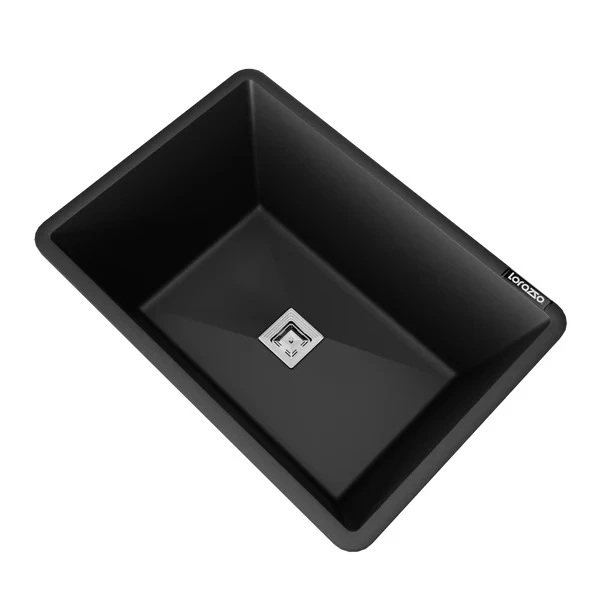
When designing or upgrading a kitchen, one of the most common questions homeowners face is whether to choose a traditional stainless steel sink or switch to a modern quartz kitchen sink. Both options are widely available, but their performance, durability, and maintenance differ significantly—especially in Indian kitchens where daily usage is heavy.
This article explains the real differences between quartz and stainless steel sinks and helps you decide which option is better suited for your home.
Understanding Quartz Kitchen Sinks
A quartz sink is made using a composite material sink process that combines natural quartz stone with high-grade resin. This engineered structure creates a dense, solid surface that is highly resistant to wear and damage.
Most granite quartz kitchen sinks offer the appearance of natural stone while delivering better consistency and strength than traditional materials.
Stainless Steel Sinks: A Common Choice
Stainless steel sinks have been used in Indian kitchens for decades. They are affordable, lightweight, and easy to install. However, long-term use often reveals common issues such as scratches, dents, noise, and visible water marks.
While stainless steel sinks serve basic needs, they may not always meet the expectations of modern kitchens focused on design and durability.
Key Differences Between Quartz and Stainless Steel Sinks
1. Durability and Strength
A quartz kitchen sink is significantly stronger than stainless steel. It resists dents, cracks, and surface wear even with heavy utensils.
Stainless steel sinks, on the other hand, tend to scratch easily and may bend or dent over time.
2. Scratch and Stain Resistance
Quartz offers a scratch and stain resistant sink surface, making it suitable for daily Indian cooking involving spices, oils, and large cookware.
Stainless steel scratches quickly, and stains or water marks are often visible, especially in hard water areas.
3. Heat Resistance
A heat resistant quartz sink can handle hot cookware without damage. This is especially useful in Indian kitchens where hot pans are frequently washed.
Stainless steel tolerates heat but may discolor or lose its finish over time.
4. Hygiene and Maintenance
Quartz sinks are non-porous kitchen sinks, meaning they do not absorb water, oil, or food particles. This prevents bacteria growth and odor buildup.
Stainless steel sinks are more prone to water stains and require frequent wiping to maintain hygiene and appearance.
5. Noise Levels
One major advantage of quartz is sound control. A noise dampening sink reduces clattering sounds during dishwashing.
Stainless steel sinks are usually noisy, especially when washing heavy utensils.
Design and Appearance
Design is where quartz sinks clearly stand out. A matte finish quartz sink with a natural granite stone finish adds a premium look to modern kitchens.
A black quartz sink is especially popular as it hides stains and complements both light and dark countertops.
Stainless steel sinks, while functional, often look basic and may lose their shine over time.
Sink Types and Layout Options
Both materials are available in different configurations, but quartz offers more flexibility in premium designs.
Single Bowl Kitchen Sink
A single bowl kitchen sink in quartz is deep and spacious, ideal for washing large utensils.
Double Bowl Kitchen Sink
A double bowl kitchen sink allows multitasking and is preferred in larger households.
Quartz Sink with Drainboard
A quartz sink with drainboard improves workflow by providing space for drying utensils.
Quartz Sink Size and Installation
Choosing the right quartz sink size depends on cabinet dimensions and kitchen layout. Quartz sinks are heavier than stainless steel, so proper cabinet support is important during installation.
While stainless steel sinks are easier to install, quartz sinks offer better stability once installed correctly.
Price Comparison: Is Quartz Worth It?
When comparing stainless steel with quartz, granite quartz sink price is usually higher. However, quartz sinks offer better long-term value due to lower maintenance, longer lifespan, and superior performance.
Instead of frequent replacement or repair, quartz sinks provide consistent performance for years.
Best Quartz Kitchen Sink Brands in India
When exploring the best quartz kitchen sink brands in India, look for:
-
High quartz content
-
Certified heat and stain resistance
-
Warranty and after-sales support
-
Designs suitable for Indian cooking habits
The best quartz kitchen sink is one that balances durability, functionality, and aesthetics.
Final Verdict: Which Sink Should You Choose?
If budget is the only concern, stainless steel may seem attractive. However, for homeowners seeking durability, hygiene, noise reduction, and premium design, a best quartz kitchen sink is the better choice.
With features like heat resistance, non-porous surfaces, and a natural stone finish, granite quartz kitchen sinks are well-suited for modern Indian kitchens and long-term use.