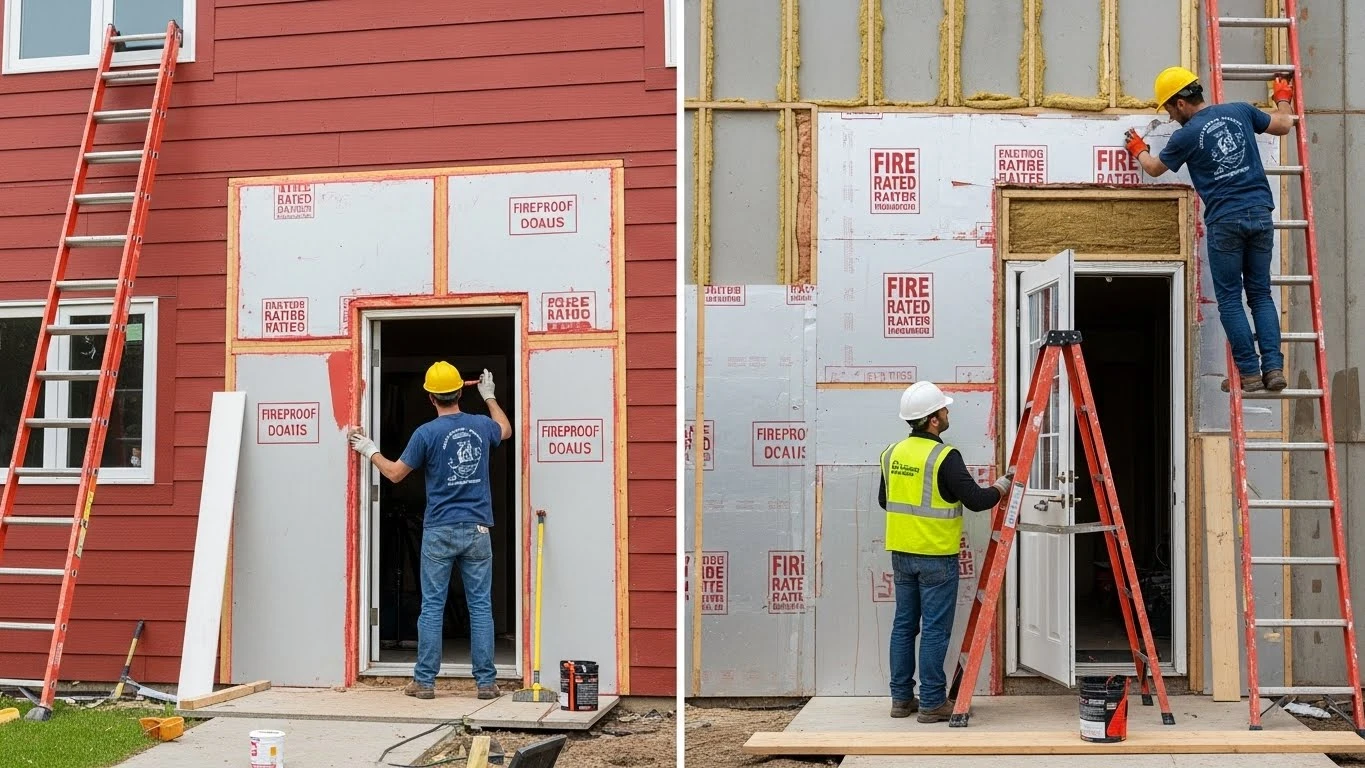
Fireproofing a house is an essential investment for homeowners who wish to protect their property from the dangers of fire and enhance the safety of their family and belongings. Many people are unsure about the exact expenses involved in fireproofing, as costs vary depending on the size of the house, the materials used, and the methods applied. Homeowners who are planning to fireproof their properties often require detailed and precise calculations before starting the project. This is where services such as accurate takeoff services become very important because they provide exact measurements, material quantities, and estimates, ensuring that the fireproofing project is planned properly and cost projections are realistic.
Fireproofing a house involves multiple layers of protection, including fire-resistant building materials, fire-retardant coatings, insulation, and additional safety systems. The overall cost of fireproofing depends on several factors, such as the size of the house, the construction materials already in place, the type of fireproofing applied, and the region where the property is located. On average, homeowners can expect to spend between $3,000 - $15,000 for basic fireproofing on a standard-sized home, while larger houses or those requiring extensive protection may see costs rise to $20,000 or more. The use of fire-resistant drywall, doors, windows, and roofing materials generally accounts for the largest portion of expenses.
Methods For Fireproofing A House
The cost-effectiveness of each method varies. Use of fire-resistant plasterboard is one common method. Fire-resistant walls are designed to delay the spread of heat and fire, which gives residents time to get out of their homes in case of an emergency. Installation of fire-resistant drywall can cost between $1.50-3.50/square foot. The price depends on the thickness of the drywall and its type.
An alternative method involves the application of intumescent painting or fire-retardant coatings onto walls, roofs, and other structural elements. Paint that expands in the presence of heat creates a barrier against fire spread. The average price of fire-retardant finishes ranges from 2 to 5 dollars per square foot. Total cost is dependent on the area coated and the number of coats.
Fireproofing the structure of a house is important. That includes wooden beams as well as steel supports. Wooden beams may be treated using fire-retardant products that are priced between $1.50 & $3 per square foot. While steel structure often requires intumescent finishes, which can cost anywhere from $4 - $8 per square foot. This requires a lot of planning, as well as consultations with professionals in fireproofing to guarantee that the entire house is adequately protected.
Costs And Materials Of Fireproofing
Fireproofing materials are an important factor in determining a house's overall price. An important safety investment is to invest in fire-resistant or bulletproof doors. A fire-resistant door costs between $200 and $1000, depending on size, material, and certification. Another consideration is the cost of windows. Fire-rated and tempered glass costs between $300 and $1,000 per window, depending on its size and specifications.
Another important factor is fire-resistant roofing. The installation cost for metal roofing and clay tiles, which are both excellent in terms of fire resistance, can be anywhere between $7,500 and $20,000. It depends on how big the roof is and what materials you choose. A spray-applied method of fireproofing ceilings, attic space, and walls is another way to increase fire safety. Prices for spray-applied materials range from $1.50 up to $3 per sq. foot, depending upon the material and amount of coverage needed.
A second area worth considering is insulation. For walls and ceilings, fiberglass insulation has fire-resistant characteristics. These insulations cost from $0.50 up to $2 per square foot, while mineral fiber insulation provides a greater fire resistance and costs between $1 and $3 per square foot. The installation of insulation ensures the slowing down of flames in the case of a fire.
Labor Costs For Fireproofing
A major part of a fireproofing project's cost is labor. Fireproofing professionals are needed for spray coatings, specialized doors and windows, as well as the installation of materials that resist fire. Labor costs range between $50-100 per hour, depending upon the level of complexity and region in which the home is located. Costs of labor may be $2,000-$8,000 more for a house that is standard in size.
In addition to installation costs, homeowners might also require inspections or certifications in order to be sure the fireproofing complies with local codes. Inspection charges can range anywhere from $200-$500, depending on the scope. A professional installation is vital to the effectiveness of your fireproofing.
Factors Of Size And Location
In order to determine the fireproofing cost, it is important to consider how big your house is. A larger house will require more labor, materials, and to cover all surfaces, increasing the overall cost. The cost to fireproof a home of two rooms may range between $3,000 and $7,000. A larger home, with five rooms, may run from $15,000 up to $25,000, or even more.
Also, regional factors can influence fireproofing cost. Fireproofing is more expensive in places that have strict construction codes or are at risk of wildfires. Costs can be higher in cities with high rates of labor, while costs may be lower in rural areas, but the availability of services for fireproofing will likely not match.
Additional Fire Safety Equipment
As well as structural fireproofing and other fire safety devices, such as sprinklers or smoke detectors, may be purchased by homeowners. Smoke detection systems cost from $20 to $100, and sprinklers for the home can range anywhere from $1,500 up to $5,000. Fire alarm systems can cost from $500 to $2,500. This depends on the complexity. These measures are complementary to structural fireproofing and offer comprehensive protection for your home.
Maintenance And Longevity
For fireproofing to remain effective, it is necessary to perform periodic maintenance. Some fire-retardant finishes may need to be reapplied in 5 to 10-year intervals. Also, wood that has been treated or the insulation it contains may need to undergo inspection or be replaced if there are signs of wear. It is important to budget maintenance costs. These can be anywhere from $500 to $ 1,500 in the long run, depending on house size and material. Maintaining fireproofing ensures that it will remain effective over time.
Conclusion
Fireproofing is an investment that will provide you with peace of mind and protect your property. The final cost will vary depending on a number of factors. These include the size and materials of the home, as well as labor rates in the region, additional fire safety devices, etc. In planning fireproofing, homeowners should also consider the long-term cost of maintenance and installation. The use of a takeoff service ensures precise measurements, quantities, and cost estimations. It helps homeowners avoid unexpected costs while making informed decisions. A professional fireproofing installation is essential for reducing fire risks and increasing the overall value.
FAQs
How Much Time Does It Take For A House To Be Fireproofed?
It can take a few weeks to complete a fireproofed house, depending on factors such as the size of your home, the method you use, and its complexity. The basic fireproofing of a smaller home can take less than a month, while the fireproofing of larger homes may require more time.
Why Is Fireproofing Worthwhile?
In fact, investing in fireproofing will pay off because it can reduce the likelihood of fire damage and also protect family members. Insurance premiums may even be reduced. As fireproofing often costs less than fire damage in the long run, this is an essential and practical safety measure.
Are Fireproofing Materials Safe For The Environment?
Many fireproofing materials today are made from environmentally-friendly and non-toxic chemicals. The homeowner should use only certified fire-retardant material and seek professional advice to make sure that the products used are both safe and minimally impactful on the environment.