We often view our daily shower as a simple refresh—a quick moment to wash away the day. However, for those of us with delicate skin, this routine requires a bit more thought. Have you ever stepped out of the bath feeling clean but perhaps a little less comfortable than you’d like? This is often a sign that the product you are using might be perfectly fine for others, but not quite the perfect match for you.
Understanding your skin’s unique needs is the first step toward a happier shower routine. When you switch to a dedicated shower gel for sensitive skin, you are essentially choosing a product designed to respect and support your body's natural protective barrier. This small adjustment can transform your bathing experience from a basic necessity into a soothing ritual that leaves your skin feeling calm, soft, and understood.
The Science of Gentle Cleansing
To understand why product choice matters, it is helpful to look at how our skin functions. Imagine your skin as a protective wall. The "bricks" are your skin cells, and the "mortar" holding them together consists of natural oils and lipids. This structure keeps hydration in and external elements out.
Some standard body washes are formulated to be highly efficient at removing oils. While this is effective for deep cleaning, sensitive skin often benefits from a different approach. It prefers cleansers that lift away impurities while leaving those essential lipids intact. This ensures the "mortar" of your skin barrier remains strong and effective.
Ingredients That Love Your Skin Back
When browsing for your next bathroom staple, looking for specific ingredients can guide you toward the most nurturing choice. Products that focus on hydration and calming properties are usually the best allies for delicate skin types.
-
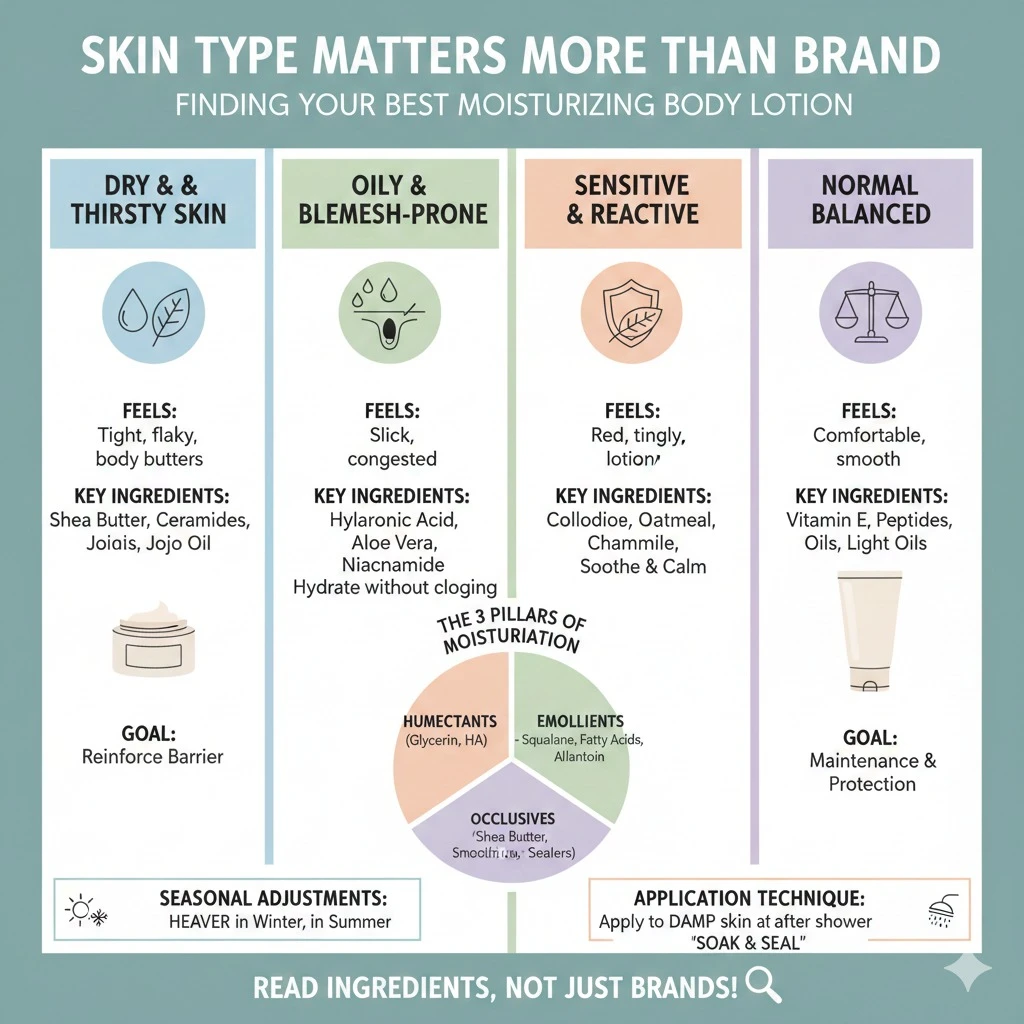
Colloidal Oatmeal: This is a classic champion for comfort. It is known for its ability to soothe and protect, creating a soft cushion on the skin’s surface.
-
Aloe Vera: Famous for its cooling properties, aloe brings a refreshing burst of hydration that feels wonderful after a long day.
-
Glycerin: As a humectant, glycerin acts like a magnet for moisture, drawing water into the skin to keep it plump and hydrated.
-
Ceramides: These help reinforce the skin's natural barrier, ensuring that moisture stays locked in long after you dry off.
Choosing a formula rich in these ingredients ensures that every wash is a step toward healthier-looking skin.
The Role of Fragrance and pH Balance
We all love a pleasant scent; it can be uplifting and relaxing. However, in the world of skincare, simplicity is often the ultimate luxury. For sensitive skin, fragrance-free options are frequently the most harmonious choice. They allow the skin to focus on absorbing moisture without any extra "noise" from complex scent compounds.
Similarly, pH balance plays a vital role. Your skin naturally sits at a slightly acidic pH (around 5.5). Using a shower gel for sensitive skin that aligns with this natural number supports the "acid mantle," a thin film that acts as your skin’s first line of defense. When the pH of your cleanser matches your skin, it helps maintain an environment where your skin can thrive and remain resilient.
Why "Squeaky Clean" Isn't the Goal
For years, many of us associated the feeling of being "squeaky clean" with being thoroughly washed. However, that specific friction or "squeak" often indicates that the protective oil layer has been completely removed.
The goal for sensitive skin is different: you want to feel "softly clean." After a shower, your skin should feel supple, elastic, and smooth to the touch. This sensation confirms that you have successfully cleansed your body while preserving the hydration it needs to stay healthy. Modern formulations are brilliant at achieving this balance, utilizing mild surfactants that cleanse effectively without disrupting the skin's peace.
The Benefit of Patch Testing
Even with the gentlest products, everyone’s biology is unique. Introducing a new product into your routine can be an exciting discovery process. A great best practice is to perform a "patch test."
Simply apply a small amount of the new product to a discreet area, like the inside of your wrist or elbow. Leave it for 24 hours to see how your skin responds. This proactive step empowers you to build a routine that you can trust completely, ensuring that every full-body application will be a positive experience.
Creating a Supportive Shower Environment
Beyond the bottle, your environment contributes to skin health. Warmth and softness are key themes here.
-
Water Wisdom: Lukewarm water is the gold standard. It is warm enough to relax muscles and dissolve dirt but cool enough to keep your skin's oils safe.
-
Soft Textiles: Opt for bamboo or ultra-soft cotton towels. When drying, a gentle patting motion is far kinder than rubbing, treating your skin with the delicacy it deserves.
-
Immediate Moisture: Locking in hydration while your pores are open and skin is damp maximizes the benefits of your shower.
By combining these habits with a thoughtfully chosen cleanser, you create a holistic approach to self-care that honors your sensitive skin.
Conclusion
Your skin is your body's largest organ, and it communicates its needs clearly. Listening to it and responding with kindness is the essence of good skincare. While the market is filled with countless options, understanding that sensitive skin requires a specific, nurturing touch allows you to make informed decisions. By prioritizing ingredients that hydrate, soothe, and protect, and by adopting a gentle bathing routine, you ensure that your skin remains comfortable and radiant. Every shower becomes an opportunity to nourish yourself, leaving you ready to face the world with confidence and comfort.
Frequently Asked Questions (FAQs)
Q: How do I know if I have sensitive skin?
A: Sensitive skin often reacts quickly to environmental changes or new products. If you frequently notice redness, dryness, or a feeling of unease after using standard products, your skin may benefit from a gentler routine.
Q: Is natural always better for sensitive skin?
A: Not necessarily. While many natural ingredients like aloe and shea butter are wonderful, some natural essential oils can still be potent. It is more important to look for products specifically formulated to be hypoallergenic and mild, regardless of whether the ingredients are natural or synthetic.
Q: Can water temperature affect how my skin feels?
A: Yes, significantly. Water that is too hot can increase blood flow and evaporation, leading to dryness. Sticking to lukewarm water is one of the easiest and most effective ways to keep sensitive skin calm and happy.
Q: What is the best way to apply cleanser to sensitive skin?
A: Using your hands is often the best method. It allows you to control the pressure and avoid the friction that comes with loofahs or sponges. If you prefer a tool, a soft, natural fiber washcloth used with a light touch is a great alternative.
Q: How often should I shower if I have sensitive skin?
A: A daily shower is generally fine for most people, provided the water is not too hot and the cleanser is mild. However, listening to your body is key; during colder months, some people find that showering every other day helps retain more moisture.