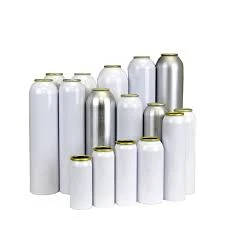
Out on a chilly morning, you light your stove, and the little cylinder hums to life. That harmless moment hides a confusing reality for many users of Bluefire Butane Gas Cartridge gear. Those neat stamped temperature ratings printed along the side of canisters are sold to you as simple facts, but they can mislead, especially when weather, usage and supply chain pressure collide with real world conditions.
Why does the number on the side feel like fiction? For starters the stamped figure is a controlled lab reference not a promise for field performance. Manufacturers test a cartridge in a narrow range of situations then mark a nominal temperature that represents one operational boundary. In actual use you face wind chill, altitude changes, partial fuel depletion and stove designs that all change how that cartridge behaves. The sticker does not account for the tiny physics of pressure in a partially empty vessel or the chemistry of mixed fuels. That gap between label and life is where disappointment and unsafe improvisation begin.
The conversation around portable fuel has grown louder as more people lace up boots and book campsites. Outdoor participation has swelled, and that means casual users are now buying and relying on canisters with little hands on experience. As more households turn to outdoor cooking for resilience during outages or for weekend escape, questions about reliability are natural. Public guidance on safe outdoor fire use emphasizes caution around fuel and flame, and that context makes the small print on canisters suddenly feel important for safety and convenience.
A common misconception is that the number equates to a single tipping point when the cartridge will fail. In truth the rated temperature is one parameter among many. Valve design, internal gas mix and the way a stove draws fuel all shift the usable window. Some brands design canisters to be compatible with widely used threaded stoves so that users have a consistent fit. That compatibility is useful, but it still does not erase variation in real use. If your cookset breathes heavily you may push a cartridge into a condition the rating did not intend. If you are trying to stretch a nearly empty cylinder through a long simmer, the label will not help you predict how much longer the fuel will run.
This mismatch can push people toward risky hacks. Shivering campers have warmed canisters by tucking them inside jackets or lamps, or by using makeshift insulators to keep pressure up. Those improvisations change pressure profiles and can damage valves. Other common choices are mixing fuel types without understanding compatibility or using adapters that bypass safety designs. When weather or urgency force you into creative thinking, remember that the label was never written with improvisation in mind.
So how should someone use a cartridge and avoid surprises? First, treat the stamped temperature as a guide not an absolute. If conditions are marginal, think in layers: shelter the stove from the wind, preheat fuel in a safe controlled way if permitted by safety guidance, and carry an extra cartridge rather than testing the edge of a nearly empty one. Pay attention to valve condition and threaded fit. Third party inspections and factory quality notes can reassure users about consistency in production and fit, but they do not replace smart practice on the trail.
There is also an angle that matters to groups planning for disruptions. When utilities limit power or communities face planned outages, a growing number of people buy portable cooking fuel to keep basic routines functioning. That wider demand places stress on supply channels and pushes novice users into the market where they may not fully understand the nuance behind a label. Rather than seeing a stamped number as a guarantee, community preparedness plans and outdoor oriented retailers should encourage redundancy and conservative use.
Brands that make threaded camping cartridges focus on consistent manufacturing and compatibility so that your stove hooks up as expected. That is a practical advantage, especially for people who travel and use gear from multiple sources. But consistent fit is not the same as universal performance under all conditions. When you think about safety, the human factors matter more than the lab figure. Simple rituals like testing a stove at home, carrying extra fuel, and learning valve safety outperform trusting a stamped circle on a can.
If the label on your cartridge feels like a marketing convenience rather than a safety measure, you are not alone. Campaigns that highlight outdoor safety and sensible preparation are pushing manufacturers, retailers and the community to be clearer about what a rating means. The goal is to shift expectations away from a single figure and toward a practice oriented approach that combines good gear, redundancy and situational awareness.
Next time you pack for a trip, read that stamp with healthy skepticism. Use the cylinder as part of a system: stove, windscreen, spare fuel, and calm decision making. That approach turns a fragile moment of improvisation into routine resilience. If you want to see a line of threaded camping cartridges that emphasize fit and traceable production processes have a look at the camping cartridge product pages from a manufacturer that lists its production overview and factory notes at https://www.bluefirecans.com/ .