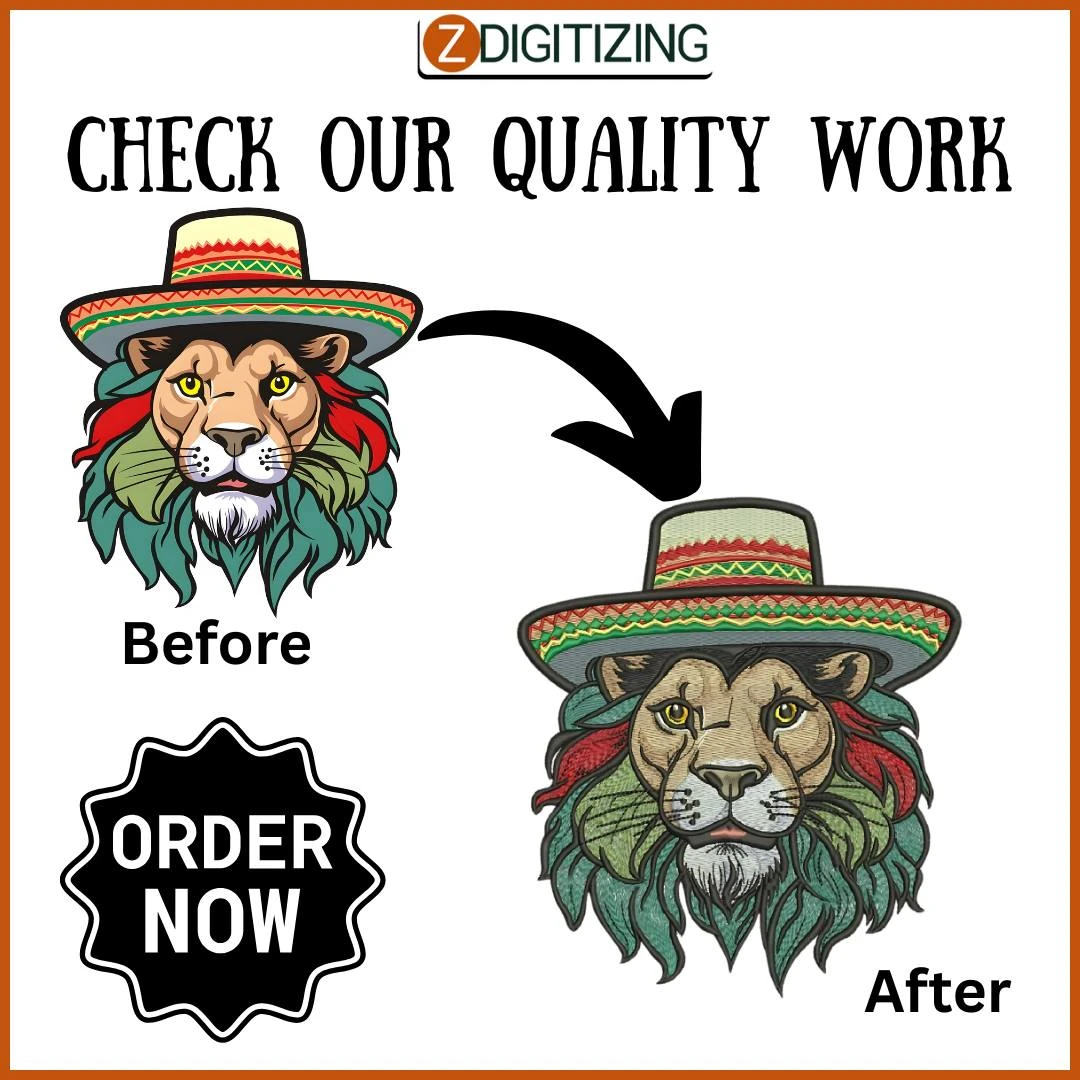
Professional embroidery digitizing is a critical process in modern embroidery production, especially for businesses and individuals who value consistency, durability, and accuracy. While embroidery machines handle the stitching, the quality of the final result depends largely on how well the design is digitized before production begins.
From custom apparel to branded merchandise, embroidery digitizing converts artwork into a structured stitch file that guides machines with precision. When handled professionally, this process ensures that embroidered designs maintain their shape, clarity, and durability across different fabrics and production runs.
What Is Embroidery Digitizing?
Embroidery digitizing is the technical process of translating artwork, logos, or text into a digital embroidery file. This file contains detailed instructions for the embroidery machine, including stitch type, stitch direction, density, sequencing, and compensation settings.
Unlike graphic design, digitizing focuses on how thread interacts with fabric during stitching. A professional digitizer applies practical knowledge of embroidery mechanics to ensure the design stitches correctly rather than simply looking good on a screen.
Why Professional Digitizing Is Essential
Many embroidery problems originate from poorly digitized files. Issues such as thread breaks, fabric puckering, misaligned elements, or missing details are often the result of incorrect stitch planning.
Professional embroidery digitizing helps prevent these issues by ensuring accurate stitch placement, balanced stitch density, and efficient sequencing. It also reduces machine downtime and material waste, which is especially important for commercial production environments.
A professionally digitized design maintains clarity at various sizes and performs consistently across multiple embroidery machines.
Key Components of Professional Embroidery Digitizing
A reliable embroidery file is built through careful planning and technical expertise. Several elements must work together to produce clean and durable embroidery. Stitch types such as satin, fill, and running stitches are selected based on the design structure. Underlay stitches are added to stabilize the fabric and support top stitches.
Stitch direction is planned to improve texture and visual flow, while density is adjusted to avoid stiffness or gaps. Pull and push compensation is also applied to account for fabric movement during stitching. Each of these decisions directly impacts the appearance and longevity of the embroidered design.
Fabric-Specific Digitizing Knowledge
Different fabrics react differently under embroidery machines, and professional digitizing takes these variations into account. Stretch fabrics require lighter density and specialized underlay to prevent distortion. Thicker materials often need adjusted stitch lengths and stronger penetration, while delicate fabrics benefit from reduced tension and carefully controlled stitch paths.
Applying the same digitizing settings to every fabric often leads to inconsistent results. Professional digitizers adjust each design based on fabric type to ensure reliable outcomes.
Benefits for Businesses and Production Efficiency
For businesses, professional embroidery digitizing supports long-term efficiency and brand consistency. Well-prepared embroidery files reduce production errors, speed up machine operation, and minimize the need for rework.
Consistent digitizing also helps maintain a uniform brand appearance across garments, accessories, and promotional items. High-quality embroidery reflects attention to detail and strengthens brand credibility.
Customization and Scalability
Professional embroidery digitizing allows designs to be adapted for different applications without losing quality. A properly digitized file can be resized, repositioned, or adjusted for various fabrics while maintaining clean stitch results.
This flexibility supports both small customization projects and large-scale production, making professional digitizing suitable for a wide range of embroidery needs.
Experience and Technology Working Together
While digitizing software is an essential tool, it cannot replace experience. Professional digitizers rely on hands-on embroidery knowledge, machine behavior understanding, and quality testing to refine designs before production.
The combination of technical skill, embroidery experience, and quality control ensures reliable stitch performance and professional results.
Final Thoughts
Professional embroidery digitizing is a foundational step in achieving clean, durable, and consistent embroidery. It transforms creative concepts into production-ready stitch files that perform well across fabrics and machines. By investing in professional digitizing, businesses and individuals protect design quality, reduce production issues, and ensure embroidery that lasts.
Frequently Asked Questions
What file formats are used in professional embroidery digitizing?
Professional digitizing produces machine-readable files such as DST, PES, EXP, or other formats depending on the embroidery machine being used.
Can the same digitized file be used on different fabrics?
While some designs may work across fabrics, professional results usually require adjustments to density, underlay, and stitch settings based on fabric type.
Is embroidery digitizing a one-time process?
A design can often be reused, but resizing or changing fabrics may require re-digitizing or adjustments to maintain stitch quality.
Why is professional digitizing better than automatic conversion software?
Automatic software does not account for real-world stitching behavior. Professional digitizing applies experience and technical judgment to prevent common embroidery issues.