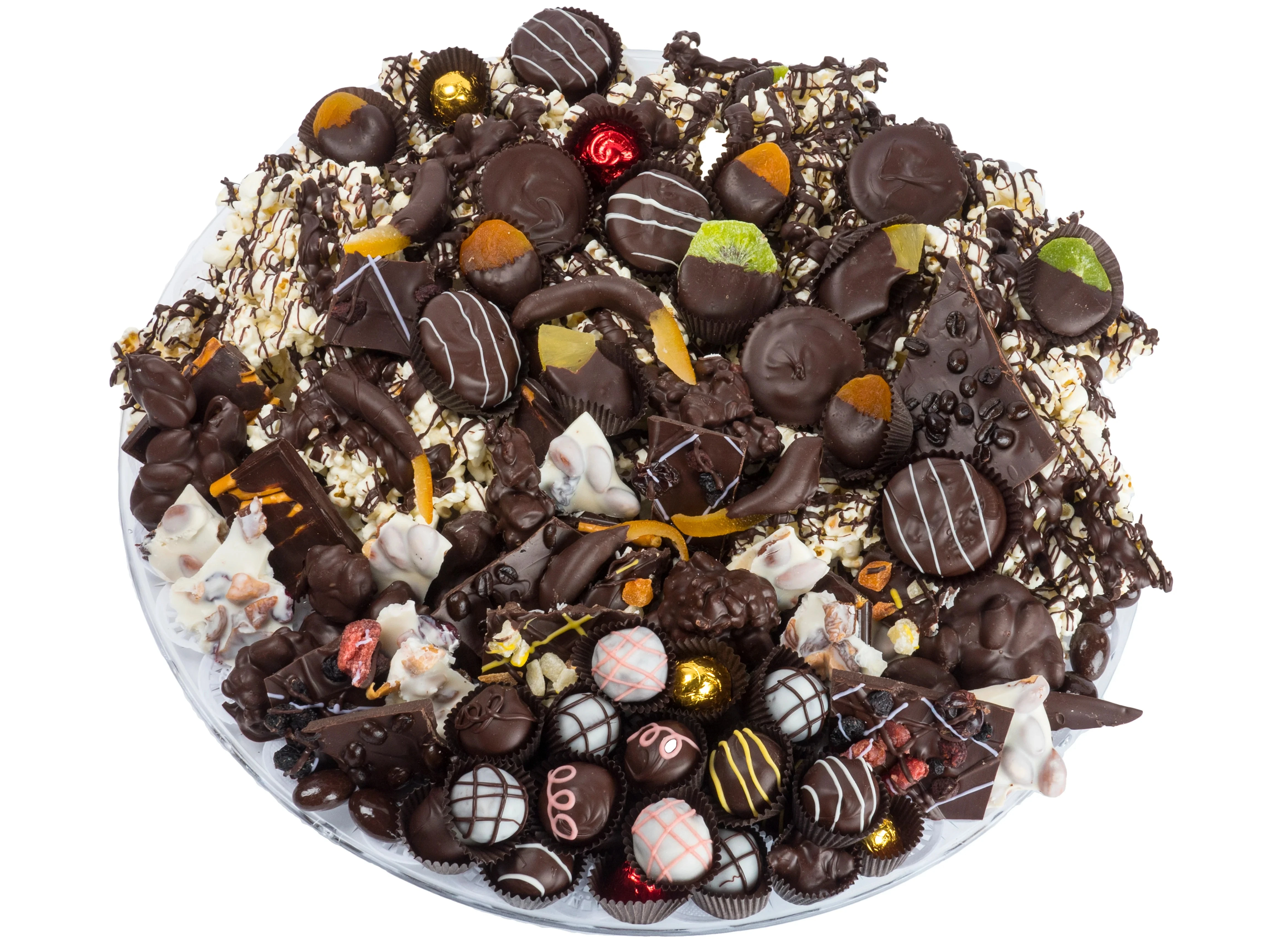
Chocolate plays a defining role in baking. From rich brownies to delicate pastries, the quality and type of chocolate you choose can dramatically affect flavour, texture, and appearance. While many home bakers focus on recipes, professionals know that understanding chocolate itself is just as important. This guide will help you make informed decisions so your baked goods consistently taste exceptional.
Why Chocolate Quality Matters in Baking
When baking, chocolate is not just a flavouring—it is a structural ingredient. The cocoa solids, cocoa butter, and sugar content all influence how your dessert melts, sets, and tastes. Low-quality chocolate can result in grainy textures, uneven melting, or overly sweet flavours. High-quality options, on the other hand, melt smoothly and deliver depth and balance, allowing other ingredients to shine.
Understanding Different Types of Baking Chocolate
Dark Chocolate
Dark chocolate contains a higher percentage of cocoa solids and less sugar. It produces a bold, intense flavour that works well in brownies, tortes, and ganache. Bakers often prefer it for recipes where chocolate is the star ingredient.
Milk Chocolate
Milk chocolate has added milk solids and more sugar, giving it a creamier and sweeter profile. It is ideal for cookies, fillings, and desserts aimed at a softer, more indulgent taste. However, it can burn more easily, so temperature control is essential.
White Chocolate
Technically not chocolate, white chocolate contains cocoa butter without cocoa solids. It offers sweetness and a smooth mouthfeel, making it perfect for blondies, cheesecakes, and decorative drizzles.
What Makes Baking Chocolates Different
Baking Chocolates are specifically formulated for cooking and baking rather than snacking. They typically contain higher cocoa butter content, which ensures smooth melting and better incorporation into batters and doughs. Unlike compound chocolate, they rely on real cocoa butter instead of vegetable fats, leading to superior flavour and texture in finished products.
Cocoa Percentage and Its Impact
The cocoa percentage indicates the combined amount of cocoa solids and cocoa butter in chocolate. A higher percentage means a more intense, less sweet taste. For baking:
-
50–60% works well for cookies and cakes
-
60–70% suits brownies and rich desserts
-
70%+ is ideal for dark chocolate lovers and professional-level baking
Choosing the right percentage helps balance sweetness and bitterness without overwhelming the palate.
Chocolate Forms for Baking
Blocks and Bars
These are versatile and can be chopped, melted, or shaved. They are excellent for recipes requiring precise control over texture and melt.
Chips and Callets
Designed to hold their shape, chips are ideal for cookies and muffins. Callets melt more evenly, making them a favourite for tempering and ganache.
Cocoa Powder
Cocoa powder adds deep chocolate flavour without extra fat. Dutch-processed cocoa is smoother and less acidic, while natural cocoa provides a sharper taste.
Storage and Handling Tips
Chocolate is sensitive to heat, light, and moisture. Store it in a cool, dry place between 15–18°C, away from strong odours. Avoid refrigeration unless absolutely necessary, as condensation can cause sugar bloom, affecting appearance and texture.
Pairing Chocolate with Other Ingredients
Chocolate pairs beautifully with vanilla, coffee, nuts, berries, citrus zest, and spices such as cinnamon or chilli. Understanding these pairings allows bakers to create layered, sophisticated flavours rather than one-dimensional sweetness.
Choosing a Trusted Source
Consistency matters, especially for frequent bakers and professionals. Reputable suppliers like Chocolate Emporium are known for offering carefully curated chocolate options designed to perform reliably in baking applications, helping ensure consistent results across batches.
Conclusion: Elevate Your Baking with the Right Chocolate
Mastering chocolate selection is one of the simplest ways to elevate your baking. By understanding types, cocoa percentages, and proper handling, you can dramatically improve flavour, texture, and presentation. Whether you are a passionate home baker or a seasoned professional, choosing the right chocolate transforms good recipes into outstanding creations. With knowledge and quality ingredients, every bake becomes an opportunity to impress.