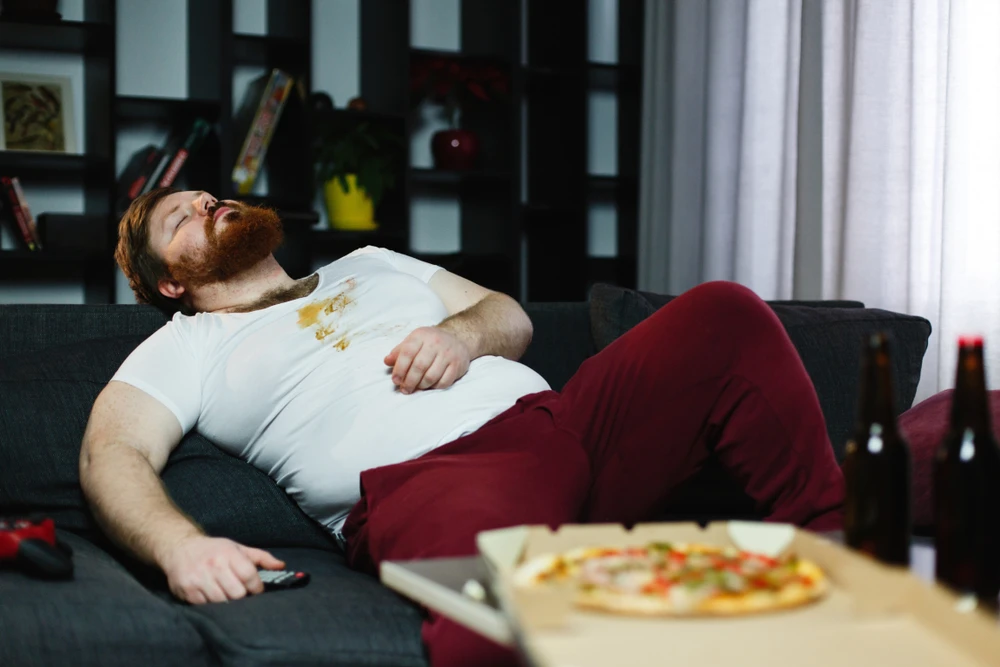
Sleep apnea is often linked to factors such as weight, airway structure, alcohol use, and sleep position. However, one lifestyle habit that receives far less attention is when you eat dinner. Growing evidence suggests that late dinners and sleep apnea risks are closely connected, making meal timing an important consideration for symptom management. While many people focus on what they eat, the timing of meals, especially in the evening, can influence digestion, breathing patterns, and overall sleep quality. For individuals with sleep apnea, this connection can mean the difference between restful sleep and a night filled with breathing interruptions.
In this blog, we’ll explore how dinner timing affects sleep apnea symptoms, why late meals can worsen nighttime breathing, and what practical steps you can take to improve sleep health.
Understanding Sleep Apnea and Nighttime Breathing
Sleep apnea is a condition in which breathing repeatedly becomes shallow or pauses during sleep. The most common type, obstructive sleep apnea (OSA), occurs when throat muscles relax excessively, causing the airway to narrow or collapse.
Each breathing interruption can lower oxygen levels and force the brain to briefly wake the body to resume breathing. These repeated disruptions prevent deep, restorative sleep and can lead to daytime fatigue, cardiovascular strain, and long-term health complications.
While medical devices and clinical treatments are essential for many people, lifestyle factors, including eating habits, play a supporting role in managing symptoms.
Why Dinner Timing Matters for Sleep Apnea
Your body follows a natural rhythm that coordinates digestion, metabolism, and sleep. Eating late in the evening can interfere with this rhythm, keeping the digestive system active when the body should be preparing for rest.
For individuals with sleep apnea, this mismatch can increase airway instability and worsen nighttime breathing. When digestion competes with sleep, the body struggles to maintain relaxed yet stable breathing patterns.
Dinner timing becomes especially important because it directly affects pressure on the diaphragm, reflux risk, and sleep quality, all of which influence apnea severity.
How Late Dinners Can Worsen Sleep Apnea Symptoms
1. Increased Abdominal Pressure
Eating a heavy meal close to bedtime leaves the stomach full as you lie down. This fullness can push upward against the diaphragm, limiting lung expansion. Reduced lung capacity can make airway collapse more likely, especially in people with existing sleep apnea.
This physical pressure may seem minor, but over the course of the night, it can contribute to more frequent breathing disruptions.
2. Higher Risk of Acid Reflux
Late meals are a common trigger for acid reflux. When stomach acid moves upward during sleep, it can irritate the throat and upper airway. This irritation causes inflammation and swelling, which narrows the airway further.
For someone with sleep apnea, even slight airway narrowing can significantly increase snoring, breathing pauses, and nighttime awakenings.
3. Poor Sleep Quality and Fragmentation
Eating late can delay the onset of sleep and reduce the amount of deep sleep you get. Sleep apnea already fragments sleep, and adding digestive discomfort or reflux can worsen this pattern.
Shallow, fragmented sleep leads to increased daytime sleepiness, poor concentration, and reduced quality of life.
4. Hormonal and Metabolic Effects
Late dinners can disrupt blood sugar regulation and suppress melatonin production. Melatonin helps regulate sleep cycles, and lower levels can lead to lighter sleep and more awakening.
When sleep becomes unstable, breathing patterns also become less controlled, increasing the likelihood of apnea events.
Signs Dinner Timing May Be Affecting Your Sleep Apnea
You may notice a connection between evening meals and nighttime symptoms if you experience:
- Louder snoring after late dinners
- Waking up choking or gasping for air
- Heartburn or chest discomfort at night
- Restless sleep or frequent awakenings
- Feeling unrefreshed despite adequate sleep hours
If symptoms worsen after eating late, adjusting meal timing may help reduce nighttime breathing problems.
The Science Behind Meal Timing and Sleep Health
Research on circadian rhythms shows that eating earlier in the evening supports better sleep efficiency and shorter sleep onset times. Late eating disrupts the body’s natural preparation for sleep, leading to poorer sleep quality.
For people with sleep apnea, poor sleep quality magnifies the effects of breathing interruptions. Even mild apnea can feel more severe when sleep is repeatedly disrupted by digestive activity.
While meal timing alone may not cause sleep apnea, it can intensify symptoms and reduce the effectiveness of treatment.
How to Adjust Dinner Timing to Improve Sleep Apnea Symptoms
Making changes to your evening routine doesn’t require drastic dietin, just thoughtful timing and consistency.
Eat Dinner Earlier
Aim to finish your evening meal at least three to four hours before bedtime. This allows digestion to progress before lying down and reduces pressure on the airway.
Keep Evening Meals Light
Choose meals that are easier to digest, such as lean proteins, vegetables, and whole grains. Avoid heavy, greasy, or spicy foods late in the evening.
Limit Late-Night Snacking
Snacking close to bedtime restarts digestion. If needed, keep snacks light and allow time before lying down.
Maintain a Consistent Meal Schedule
Eating meals at regular times helps regulate your internal clock, supporting both digestion and sleep stability.
Reduce Evening Alcohol Intake
Alcohol relaxes throat muscles and worsens airway collapse. Avoiding alcohol at night can significantly reduce apnea severity.
Supporting Habits That Enhance Sleep Apnea Management
Dinner timing works best when combined with other healthy habits, including:
- Maintaining a healthy body weight
- Sleeping on your side rather than your back
- Exercising regularly
- Elevating the head of the bed to reduce reflux
- Following a consistent sleep schedule
These habits collectively support better breathing and deeper sleep.
When Lifestyle Changes Are Not Enough
Although adjusting dinner timing can improve symptoms, it may not fully control sleep apnea, especially in moderate or severe cases. Persistent symptoms require medical evaluation and appropriate treatment.
Sleep apnea is a medical condition, and professional guidance ensures you receive effective therapy tailored to your needs.
Conclusion
Understanding the impact of dinner timing on sleep apnea symptoms highlights how everyday habits influence nighttime breathing. Eating earlier, choosing lighter meals, and maintaining consistent routines can reduce symptom severity and improve sleep quality. However, lifestyle changes are most effective when paired with proper treatment. If symptoms persist or interfere with daily life, it’s time to start treatment with a sleep apnea device designed to keep your airway open and breathing steady throughout the night. Better sleep begins with awareness, consistency, and the right support, so you can rest easier and breathe better every night.