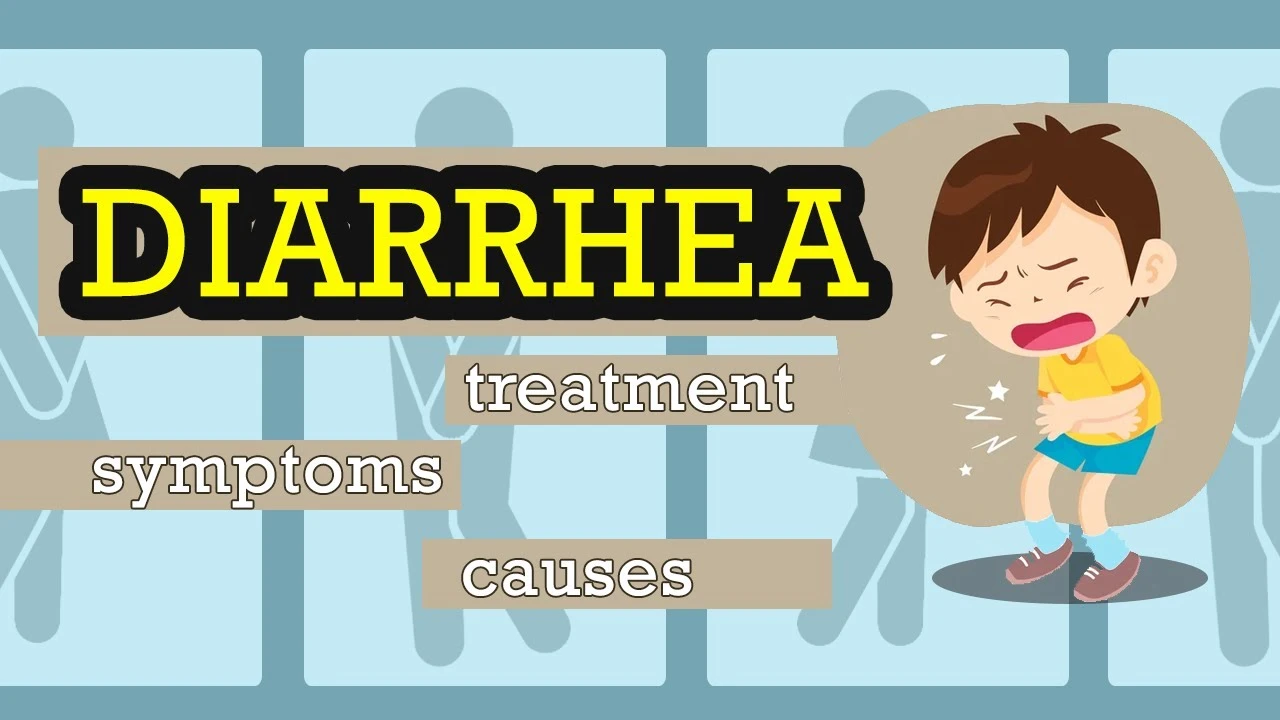
Diarrhea is a common gastrointestinal complaint that can result from infections, food intolerances, medications, or dietary choices. While acute diarrhea often resolves on its own, frequent or persistent episodes can significantly affect quality of life, hydration status, and nutrient absorption. One of the most controllable factors in managing diarrhea is diet. Understanding which foods are likely to trigger loose stools and what to eat instead can play a critical role in digestive health.
How Diet Influences Diarrhea
The digestive system relies on a balance of enzymes, gut bacteria, and intestinal motility. Certain foods disrupt this balance by increasing water secretion into the intestines, accelerating bowel movements, or irritating the intestinal lining. For individuals with sensitive digestion, irritable bowel syndrome (IBS), lactose intolerance, or recovering from gastrointestinal infections, food choices become especially important.
Top Foods That Commonly Trigger Diarrhea
1. Dairy Products
Milk, cheese, ice cream, and other dairy products are among the most frequent causes of diarrhea, particularly in people with lactose intolerance. Lactose, a sugar found in milk, requires the enzyme lactase for digestion. When lactase levels are insufficient, lactose remains undigested, drawing water into the intestines and leading to diarrhea, bloating, and cramping.
High-risk dairy items include:
-
Whole milk
-
Soft cheeses
-
Cream-based sauces
-
Ice cream
2. Fried and Fatty Foods
Foods high in fat are harder to digest and can stimulate rapid intestinal contractions. Fried chicken, French fries, burgers, and greasy snacks often overwhelm the digestive system, especially during or after a gastrointestinal illness.
Excess fat can also interfere with bile absorption, resulting in loose, oily stools.
3. Spicy Foods
Chili peppers and spicy seasonings contain capsaicin, a compound that can irritate the gastrointestinal lining. While some people tolerate spicy foods well, others experience increased bowel urgency and diarrhea after consumption.
Spicy foods are particularly problematic for individuals with sensitive stomachs or existing digestive disorders.
4. Artificial Sweeteners
Sugar substitutes such as sorbitol, mannitol, and xylitol are poorly absorbed in the gut. These sweeteners are commonly found in:
-
Sugar-free gum
-
Diet sodas
-
Low-calorie candies
-
No sugar added products
When consumed in excess, they can cause osmotic diarrhea by pulling water into the intestines.
5. Caffeinated Beverages
Coffee, energy drinks, and strong teas stimulate intestinal motility. Caffeine acts as a natural laxative, which can worsen diarrhea by speeding up bowel movements and reducing water absorption.
Even decaffeinated coffee may cause issues due to other compounds that stimulate the gut.
6. Alcohol
Alcohol irritates the intestinal lining and interferes with normal fluid absorption. Beer, wine, and spirits can all contribute to dehydration and loose stools, particularly when consumed in large quantities or on an empty stomach.
7. High-Fiber Raw Foods
While fiber is essential for digestive health, too much insoluble fiber during active diarrhea can worsen symptoms. Raw vegetables, bran cereals, nuts, seeds, and certain fruits with skins may aggravate the intestines.
Better Food Choices to Manage and Prevent Diarrhea
1. Low-Fiber, Easily Digestible Foods
During episodes of diarrhea, the digestive system benefits from foods that are gentle and binding. The commonly recommended BRAT diet includes:
-
Bananas
-
Rice (white)
-
Applesauce
-
Toast (white bread)
These foods help firm stools and reduce intestinal irritation.
2. Lactose-Free Alternatives
For those sensitive to dairy, lactose-free milk, almond milk, soy milk, or oat milk are better options. Hard cheeses and yogurt with live cultures may also be tolerated better than milk, as they contain lower lactose levels.
3. Lean Proteins
Skinless chicken, turkey, eggs, and fish provide essential nutrients without excess fat. Baking, boiling, or steaming is preferable to frying.
4. Cooked Vegetables
Cooking vegetables breaks down fiber and makes them easier to digest. Carrots, potatoes (without skin), squash, and green beans are generally well tolerated when cooked thoroughly.
5. Hydration and Electrolytes
Fluid replacement is critical during diarrhea. Water, oral rehydration solutions, clear broths, and electrolyte drinks help prevent dehydration. Avoid sugary beverages, which can worsen symptoms.
Diarrhea, Infections, and Medical Considerations
In some cases, diarrhea is caused by parasitic or viral infections rather than diet alone. Under medical supervision, antiparasitic or antiviral treatments may be prescribed. In global healthcare markets, medications used for gastrointestinal infections are often distributed at scale, and terms such as nitazoxanide wholesale may appear in pharmaceutical supply chain discussions. While such medications are relevant in clinical and commercial contexts, dietary management remains a foundational strategy for symptom control and recovery.
It is important to note that any medication use should be guided by a qualified healthcare professional, especially when diarrhea is severe, persistent, or accompanied by fever, blood in stool, or weight loss.
When to Seek Medical Advice
Dietary adjustments are effective for mild, short-term diarrhea. However, medical evaluation is recommended if:
-
Diarrhea lasts longer than three days
-
There are signs of dehydration
-
Symptoms occur in infants, elderly individuals, or immunocompromised patients
-
There is severe abdominal pain or high fever
Conclusion
Diarrhea is often closely linked to dietary choices. Foods such as dairy, fried items, spicy dishes, artificial sweeteners, caffeine, and alcohol are common triggers that can disrupt digestion and worsen symptoms. By contrast, bland, low-fat, and easily digestible foods support intestinal recovery and stool normalization.
Understanding your personal triggers, making informed food substitutions, and maintaining adequate hydration are essential steps toward better digestive health. While medical treatments and pharmaceutical considerations including those discussed in contexts like nitazoxanide wholesale play a role in managing infectious causes, everyday dietary decisions remain one of the most effective tools for preventing and controlling diarrhea.