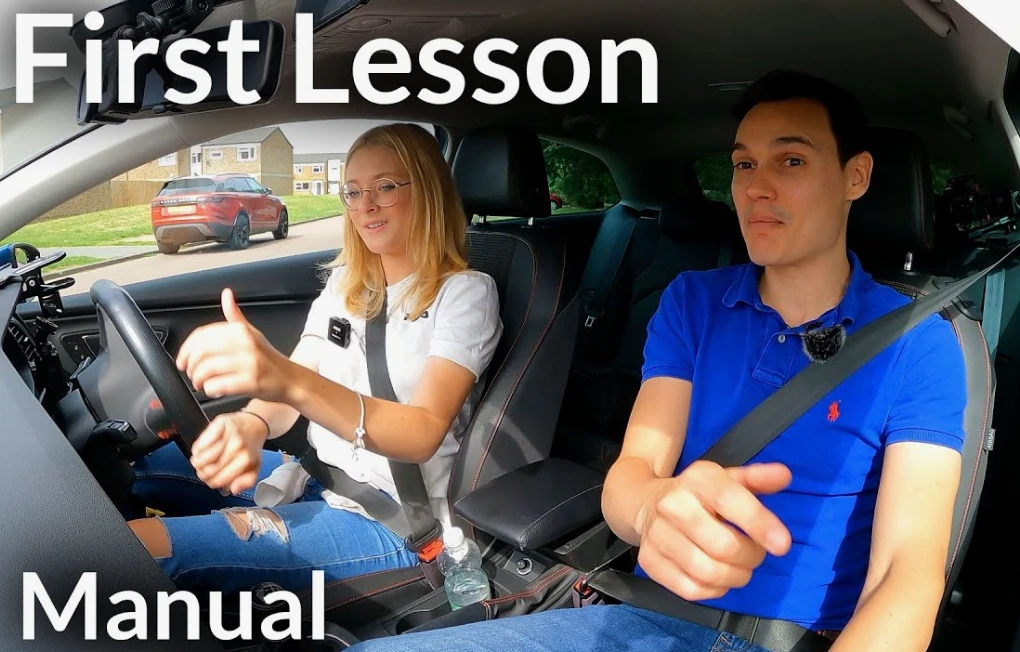
Learning to drive is a rite of passage for many teenagers. However, for beginners, the experience can feel overwhelming. Fortunately, driving lessons for beginners and teen driving schools provide structured guidance to help young drivers develop essential skills safely and confidently.
Why Driving Lessons Are Essential for Beginners
Starting with proper driving lessons is crucial for building the foundation of safe driving habits. Many new drivers underestimate the complexity of operating a vehicle in diverse conditions. From understanding traffic rules to mastering defensive driving techniques, structured lessons help beginners gain experience in a controlled environment.
For teens especially, the road can present unique challenges. Distractions, peer pressure, and limited experience can increase the risk of accidents. Enrolling in a teen driving school ensures that these new drivers receive professional instruction tailored to their age and skill level.
What to Expect in Driving Lessons for Beginners
Driving lessons for beginners typically begin with the basics. A professional instructor will cover essential topics such as:
- Vehicle controls: Understanding pedals, gear shifts, indicators, and mirrors.
- Traffic rules: Learning local traffic laws, speed limits, and right-of-way rules.
- Safe driving techniques: Proper lane usage, turning, braking, and merging.
- Defensive driving skills: Recognizing hazards, anticipating other drivers’ actions, and maintaining safe distances.
Lessons often start in low-traffic areas or parking lots to give students a chance to practice without stress. Gradually, instructors introduce more challenging scenarios, such as city streets, highways, and adverse weather conditions.
Benefits of Teen Driving School
For teenagers, attending a specialized teen driving school offers numerous advantages. These programs are designed to address the unique needs of young drivers while promoting safety, confidence, and responsibility.
1. Professional Instruction
Teen driving schools employ certified instructors who understand the developmental needs of adolescent drivers. They provide patient, step-by-step guidance, ensuring teens grasp the rules of the road before facing more complex driving situations.
2. Structured Curriculum
Unlike casual practice with a parent or guardian, teen driving schools follow a structured curriculum. This ensures that students cover all critical aspects of driving, from basic control to advanced defensive strategies. Many schools also offer classroom instruction to reinforce road safety and traffic laws.
3. Reduced Risk of Accidents
Statistics show that teenagers are more likely to be involved in traffic accidents than older drivers. By attending a teen driving school, students gain the experience and skills necessary to make safer decisions behind the wheel, reducing their risk of accidents.
4. Insurance Benefits
Many insurance companies offer discounts for teenagers who complete an accredited driving course. This can save families money while reinforcing safe driving habits for young drivers.
5. Confidence Building
Learning to drive can be intimidating. Teen driving schools provide a supportive environment where students can practice without fear. This confidence translates into safer, more responsible driving habits.
Tips for Choosing the Right Driving Lessons for Beginners
Selecting the right driving lessons or teen driving school is essential to ensure a positive learning experience. Here are some tips to help parents and teens make an informed decision:
- Check Credentials: Ensure the school is licensed and employs certified instructors.
- Read Reviews: Look for feedback from past students and parents to gauge the school’s effectiveness.
- Ask About Curriculum: Make sure the program covers both practical driving skills and theoretical knowledge.
- Consider Flexibility: Choose a school that offers flexible scheduling to accommodate school or extracurricular activities.
- Vehicle Options: Modern driving schools often provide cars equipped with dual controls for added safety.
Preparing for Your First Driving Lesson
Preparation is key to making the most of driving lessons for beginners. Here are some steps teens can take before their first lesson:
- Learn the Basics: Familiarize yourself with the vehicle’s controls, mirrors, and indicators.
- Understand Traffic Signs: Study common road signs and their meanings.
- Dress Comfortably: Wear clothing and footwear that allow easy movement and control.
- Stay Calm: Anxiety is natural, but staying relaxed helps improve focus and reaction time.
Parents can also play a supportive role by reinforcing safe driving habits and encouraging practice outside of formal lessons.
The Role of Parents in Teen Driving Education
Parents remain an important part of a teen’s driving journey, even when attending a driving school. They can provide additional practice, reinforce lessons learned, and help monitor progress. Some driving schools even involve parents in training sessions to teach supervision techniques and prepare them for their teen’s independent driving.
Advanced Skills Taught in Teen Driving School
Once beginners master the basics, many teen driving schools offer advanced lessons to prepare for real-world challenges. These may include:
- Night Driving: Learning to navigate low-visibility conditions safely.
- Highway Driving: Merging, lane changes, and maintaining safe distances at high speeds.
- Adverse Weather Conditions: Driving safely in rain, snow, or fog.
- Emergency Maneuvers: How to handle skids, sudden stops, or other unexpected situations.
These lessons build confidence and equip teens with the skills to handle a wide range of driving environments.
The Importance of Practice and Consistency
Even the best driving lessons for beginners are most effective when paired with consistent practice. Teens should aim to drive regularly under supervision, gradually increasing complexity and independence. Practicing in different conditions, such as city traffic, highways, and varying weather, helps solidify skills learned in school and prepares teens for their driving test.
Preparing for the Driving Test
Teen driving schools often offer preparation programs for the official driving test. This includes both written and practical components. Key preparation tips include:
- Know the Rules: Review traffic laws and regulations thoroughly.
- Practice Maneuvers: Focus on parallel parking, three-point turns, and lane changes.
- Stay Calm: Nervousness can impact performance; deep breathing and confidence help.
- Follow Instructor Advice: Use tips learned during lessons to handle tricky situations.
Passing the driving test is a significant milestone, marking the transition from supervised learning to independent driving.
Conclusion
Learning to drive is an exciting but challenging journey, especially for teenagers. With driving lessons for beginners and guidance from a teen driving school, young drivers gain the skills, confidence, and experience needed to navigate the roads safely.
Parents and teens alike benefit from structured programs that combine practical driving lessons, classroom instruction, and consistent practice. By investing in proper training, new drivers are not only prepared for their driving test but also for a lifetime of safe and responsible driving.
Choosing the right teen driving school and staying committed to practice ensures that beginners develop strong habits early on. From mastering vehicle controls to handling complex traffic situations, professional instruction provides the foundation for confident and competent drivers. With the right support, teenagers can enjoy the freedom of driving while maintaining safety for themselves and everyone on the road.