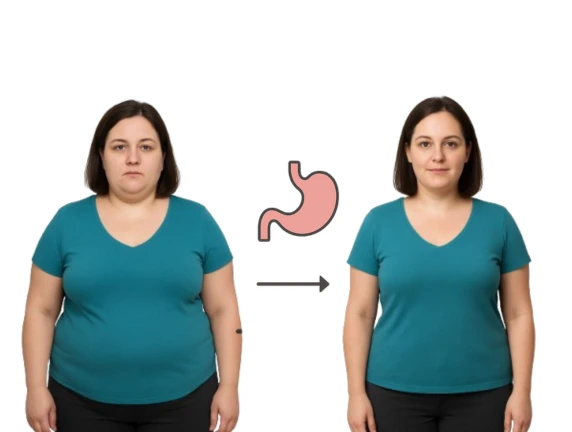
Obesity is more than just excess weight—it is a serious medical condition that impacts millions of people worldwide. Beyond affecting physical appearance, obesity increases the risk of numerous health problems, including type 2 diabetes, high blood pressure, heart disease, sleep apnea, joint pain, and mobility limitations. For many individuals, diet and exercise alone are not enough to achieve lasting results. Bariatric surgery offers a safe and effective solution, allowing patients to lose weight, improve health, and regain control over their lives.
Understanding Bariatric Surgery
Bariatric surgery refers to a group of surgical procedures designed to help patients achieve weight loss by altering the digestive system. These procedures work by reducing the size of the stomach, limiting food intake, and sometimes modifying the absorption of calories and nutrients. Modern bariatric surgeries also impact hormones related to hunger, fullness, and metabolism, making it easier for patients to maintain weight loss over the long term.
These procedures are usually recommended for individuals with a high body mass index (BMI) or those struggling with obesity-related medical conditions. Bariatric surgery is not a cosmetic procedure—it is a medical intervention designed to improve overall health and quality of life.
Why Bariatric Surgery Changes Lives
Bariatric surgery is more than a medical procedure; it represents a transformative step toward better health. After surgery, patients experience reduced hunger and smaller portion sizes, which encourages healthier eating habits. These changes create a sustainable path for long-term weight management, often unattainable with diet and exercise alone.
In addition to weight loss, bariatric surgery provides significant improvements in metabolic and chronic conditions. Many patients experience better control or complete resolution of type 2 diabetes, high blood pressure, high cholesterol, and sleep apnea. Improved health reduces the risk of serious complications, increases energy levels, and enhances the ability to engage in daily activities.
Emotionally, bariatric surgery can be life-changing. Patients often report increased confidence, reduced stress and anxiety, and a renewed sense of independence. Achieving weight-loss goals allows individuals to participate more fully in social, professional, and personal activities, truly embodying the idea of “losing weight and gaining life.”
Popular Bariatric Surgery Options
Gastric Sleeve Surgery (Sleeve Gastrectomy): This is one of the most commonly performed procedures. A large portion of the stomach is removed, leaving a smaller, tube-shaped stomach. This not only restricts food intake but also reduces hunger hormones, helping patients feel full sooner. Gastric sleeve surgery is highly effective, safe, and has a relatively fast recovery period.
Gastric Bypass Surgery (Roux-en-Y): Ideal for patients with severe obesity or uncontrolled diabetes, gastric bypass surgery creates a small stomach pouch and reroutes part of the small intestine. This limits calorie absorption and enhances metabolic health, producing significant and lasting weight loss.
Mini Gastric Bypass: A simplified version of traditional gastric bypass, the mini gastric bypass involves a single intestinal connection. It reduces surgical complexity while providing strong weight-loss results and metabolic benefits, making it an increasingly popular option.
Adjustable Gastric Band Surgery: Although less commonly performed today, this procedure involves placing a silicone band around the upper stomach to limit food intake. It is reversible and adjustable but generally results in slower weight loss compared to sleeve or bypass surgeries.
Recovery and Lifestyle Changes
Recovery after bariatric surgery requires patience and commitment. Patients follow a staged diet starting with liquids, progressing to soft foods, and finally solid foods. Proper hydration, portion control, and balanced nutrition are critical for long-term success. Vitamin and mineral supplementation is often necessary to prevent deficiencies, especially with bypass procedures.
Physical activity is another important aspect of recovery. Patients are encouraged to begin with light exercises such as walking and gradually increase activity intensity. Exercise supports weight maintenance, improves muscle tone, and enhances mental well-being. Regular follow-up appointments with healthcare professionals ensure safe recovery and help prevent complications.
Long-Term Benefits
Bariatric surgery provides numerous long-term benefits beyond weight loss. Many patients experience improved mobility, better sleep quality, higher energy levels, and reduced joint pain. Emotionally, patients gain confidence, self-esteem, and a more positive outlook on life. Social interactions, career opportunities, and day-to-day activities become more enjoyable and accessible.
Ultimately, bariatric surgery acts as a catalyst for lasting lifestyle changes. It helps patients build sustainable habits, maintain healthy weight, and reclaim control over their lives.
Conclusion
Bariatric surgery is a safe, effective, and transformative solution for individuals struggling with obesity. By supporting sustainable weight loss and improving overall health, it allows patients to reclaim their lives and enjoy a higher quality of life. With the right procedure, expert medical care, and a commitment to healthy lifestyle changes, patients can truly lose weight and gain life, experiencing a renewed sense of confidence, energy, and well-being.