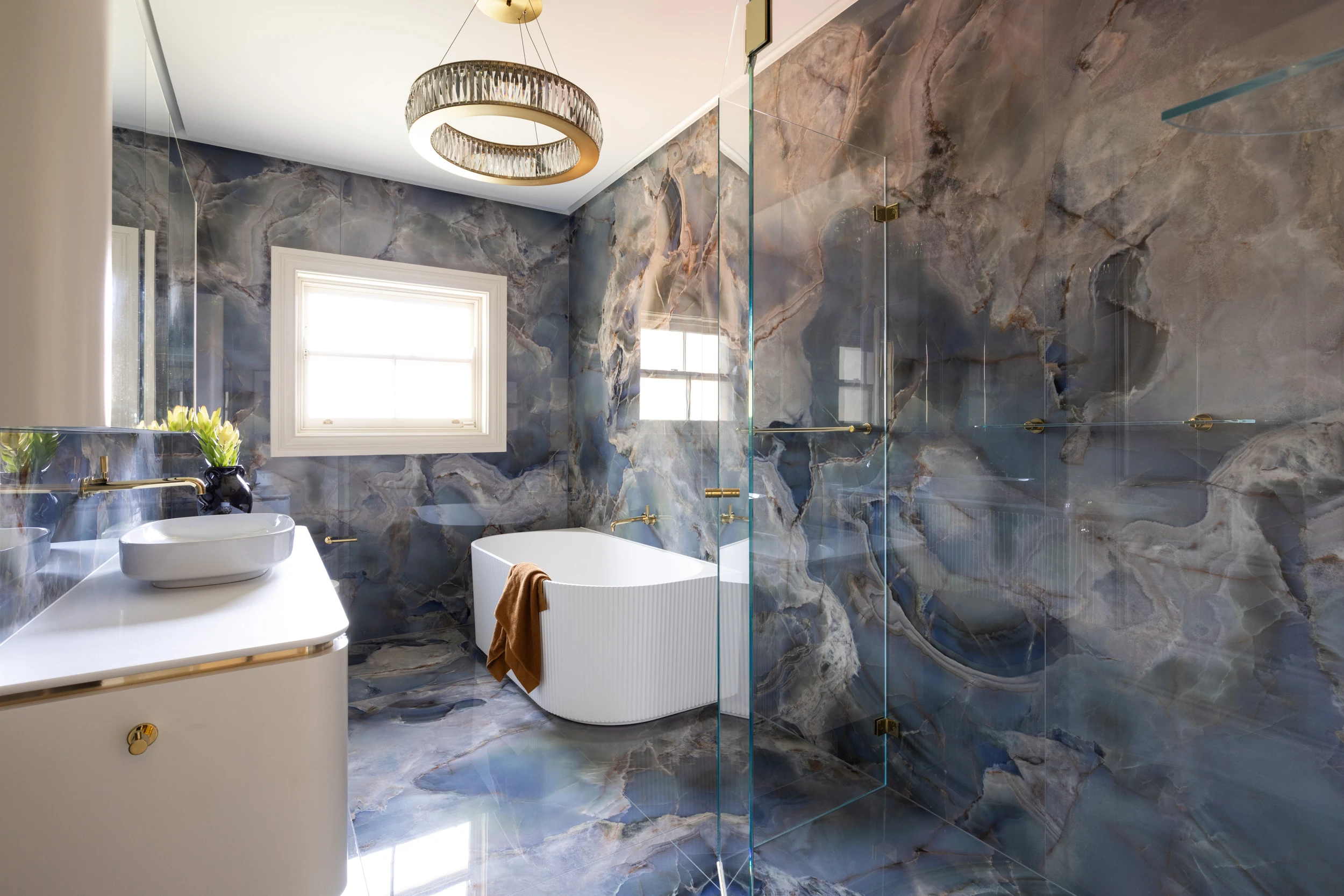
Bathroom tiles play a major role in both the appearance and functionality of the space. Beyond colour and style, the right tile choice affects safety, maintenance, and how the bathroom feels on a daily basis. With so many materials, sizes, and finishes available, selecting suitable tiles requires a balance between design preferences and practical considerations.
A well-planned tile selection ensures the bathroom remains comfortable, durable, and visually cohesive with the rest of the home.
Consider the Purpose of the Bathroom
The first step in choosing bathroom tiles is understanding how the space will be used. A main bathroom that sees frequent use needs tiles that can handle moisture, foot traffic, and regular cleaning. In contrast, an ensuite or guest bathroom may allow for more decorative finishes.
During planning stages supported by professional bathroom renovation services, tile selection is often guided by how the space functions day to day, ensuring materials are appropriate for long-term use.
Select Tile Sizes That Suit the Space
Tile size can dramatically change the perception of space. Larger tiles reduce the number of grout lines, creating a cleaner and more open appearance—particularly effective in compact bathrooms. Smaller tiles, including mosaics, are often better suited to shower floors where slip resistance and drainage are important.
Layout direction also matters. Horizontal tile layouts can visually widen narrow bathrooms, while vertical placements help create a sense of height.
Balance Aesthetics with Slip Resistance
Safety should never be overlooked in a bathroom. Floor tiles need sufficient slip resistance, especially in wet zones. Matte or textured finishes generally provide better grip than polished surfaces, making them a practical choice for floors.
Wall tiles can be smoother and more decorative, as they are not subject to the same safety concerns. Selecting finishes based on placement helps achieve both style and usability.
Choose Colours That Complement the Home
Neutral tones remain a popular choice because they adapt easily to changing styles and lighting conditions. Soft greys, warm beiges, and off-whites help bathrooms feel calm and spacious, while allowing fixtures and fittings to stand out.
This approach is often part of broader residential home renovation solutions, where consistency across rooms is important to maintain a cohesive overall look.
Reflect Local Home Styles in Tile Selection
The architectural style of the home and its location can influence tile choices. Established suburbs often benefit from tile selections that respect the character of the property rather than introducing overly modern finishes.
For example, projects involving bathroom renovations in Epping frequently favour timeless tile designs that complement traditional home layouts while still providing modern comfort. Subtle textures and natural tones help bridge classic and contemporary design elements.
Think About Maintenance Early
Some tiles are easier to maintain than others. High-gloss tiles may show water marks more easily, while heavily textured tiles can collect dirt if not cleaned regularly. Grout choice also affects maintenance, lighter grout shows staining more quickly, while darker grout can be more forgiving in high-use areas.
Selecting low-maintenance tiles helps keep the bathroom looking clean and well-presented with less effort.
Use Tiles Strategically
Tiles don’t need to be uniform throughout the entire bathroom. Feature walls, niches, and splashback areas provide opportunities to introduce contrast or texture without overwhelming the space.
Thoughtful placement allows tiles to enhance the design while maintaining balance and simplicity throughout the room.
Conclusion
Choosing the right tiles for your bathroom is about more than following trends. By considering how the space is used, selecting appropriate materials, and aligning tile choices with the home’s style, you can achieve a bathroom that feels practical, comfortable, and visually appealing.
With careful planning, tiles become a key element in creating a bathroom that functions well and remains relevant for years to come.