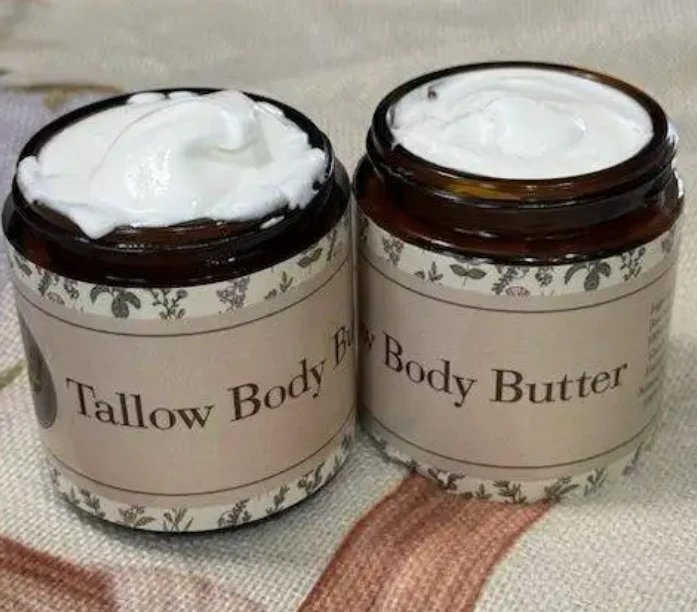
In recent years, traditional skincare ingredients have made a strong comeback, and one of the most talked-about is tallow cream. Once a staple in ancestral skincare routines, tallow is now being rediscovered for its nourishing, skin-friendly properties. Along with its growing popularity, many people ask an important practical question: does beef tallow need to be refrigerated?
This article explores what tallow cream is, why it’s beneficial for the skin, how it’s used, and how to properly store beef tallow to maintain its quality and effectiveness.
What Is Tallow Cream?
Tallow cream is a natural moisturizer made primarily from rendered beef fat, often sourced from grass-fed cattle. The rendering process removes impurities, leaving behind a smooth, shelf-stable fat that can be whipped or blended into a luxurious cream. Many formulations include only a few ingredients, such as tallow and natural oils or essential oils, making it a favorite for people seeking clean, minimalist skincare.
Unlike many commercial lotions that rely on synthetic preservatives and fillers, tallow cream closely resembles the natural oils found in human skin. This compatibility allows it to absorb easily and provide deep nourishment without clogging pores.
Why Tallow Cream Is Beneficial for Skin
Tallow has been used for centuries for skin protection and healing. Modern users are rediscovering its benefits as they move away from overly processed skincare products.
1. Rich in Skin-Supporting Nutrients
Tallow contains fat-soluble vitamins such as A, D, E, and K, which are essential for maintaining healthy skin. These nutrients help support skin regeneration, elasticity, and overall skin barrier function.
2. Mimics Natural Skin Oils
One of the standout qualities of tallow cream is its similarity to human sebum. This makes it highly bioavailable, meaning the skin recognizes and absorbs it easily, making it suitable for dry, sensitive, and even acne-prone skin when used correctly.
3. Deep Moisturization
Tallow cream provides long-lasting hydration by sealing moisture into the skin. Unlike water-based lotions that evaporate quickly, tallow creates a protective barrier that keeps skin soft and supple for hours.
4. Gentle and Minimal
Because high-quality tallow cream contains very few ingredients, it’s ideal for people with eczema, rosacea, or sensitive skin who react to synthetic fragrances and preservatives.
Common Uses of Tallow Cream
Tallow cream is a versatile skincare product that can replace multiple items in your routine:
- Face moisturizer for dry or mature skin
- Body butter for rough or cracked areas
- Hand and foot cream
- Lip balm base
- Soothing balm for minor skin irritation
A small amount goes a long way, making it both economical and effective.
Does Beef Tallow Need to Be Refrigerated?
One of the most frequently asked questions about tallow cream and raw tallow is: does beef tallow need to be refrigerated? The answer depends on how it’s rendered, stored, and used.
Shelf Stability of Beef Tallow
Properly rendered beef tallow is naturally shelf-stable. During rendering, moisture and impurities are removed, which significantly reduces the risk of spoilage. When stored correctly, beef tallow can last for months—and even up to a year—without refrigeration.
When Refrigeration Is Not Required
Beef tallow does not need to be refrigerated if:
- It has been fully rendered and strained
- It is stored in an airtight container
- It is kept in a cool, dark place away from heat and sunlight
Most tallow creams fall into this category and can be safely stored at room temperature.
When Refrigeration Is Helpful
Refrigeration can be beneficial if:
- The tallow was minimally rendered or homemade
- You live in a very hot or humid climate
- The tallow cream contains fresh or sensitive ingredients
Refrigerating tallow can extend its shelf life and prevent changes in texture or scent, though it may harden when cold.
How to Store Tallow Cream Properly
To keep your tallow cream fresh and effective, follow these storage tips:
- Use clean, dry hands or a spatula to avoid introducing moisture
- Store in a glass jar or metal container with a tight lid
- Keep away from direct sunlight and heat sources
- Avoid getting water into the container
If stored properly, high-quality tallow cream should maintain its texture, scent, and benefits for a long time.
Signs That Beef Tallow Has Gone Bad
Although tallow is very stable, it can eventually spoil if exposed to moisture or contaminants. Watch for these signs:
- Strong, sour, or rancid smell
- Mold growth
- Unusual color changes
- Sticky or slimy texture
If you notice any of these signs, it’s best to discard the product.
Tallow Cream vs. Conventional Moisturizers
Compared to conventional lotions, tallow cream stands out in several ways:
- No synthetic preservatives or emulsifiers
- Longer-lasting hydration
- Better compatibility with skin’s natural oils
- Eco-friendly and sustainable when sourced responsibly
Many people who switch to tallow cream report improved skin texture, reduced dryness, and fewer reactions over time.
Final Thoughts
Tallow cream is more than just a skincare trend—it’s a return to a time-tested, nutrient-rich solution for healthy skin. With its natural compatibility, deep moisturizing ability, and minimal ingredient profile, it’s an excellent choice for those seeking clean and effective skincare.
As for the common question, does beef tallow need to be refrigerated?—the answer is no, not usually. Properly rendered and stored beef tallow and tallow cream are shelf-stable and safe at room temperature, making them convenient and easy to use daily.