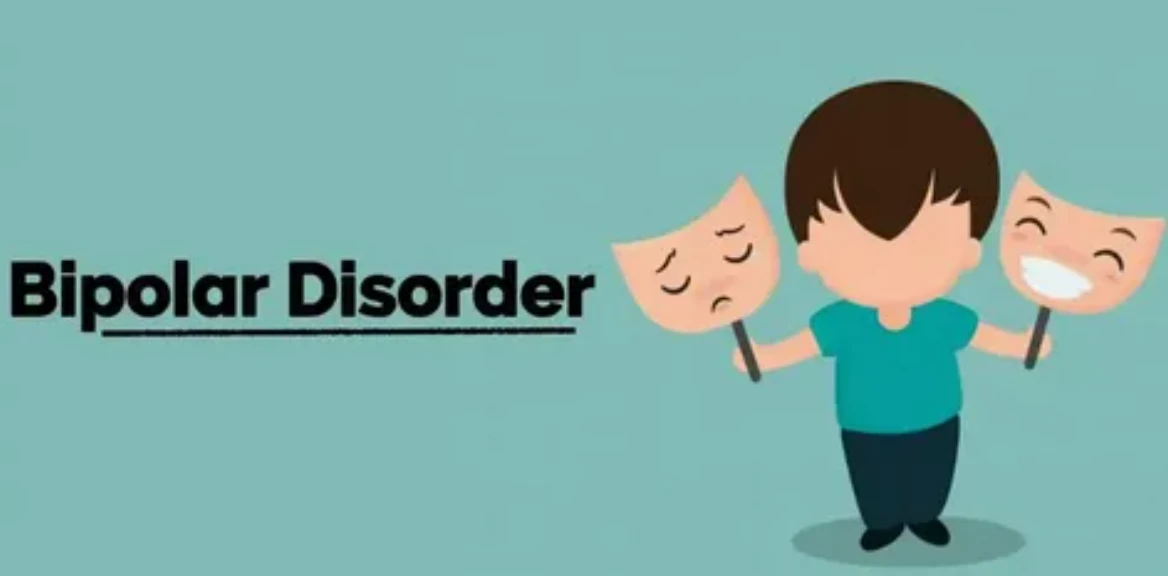
Mental health has become a crucial topic in today’s world, and understanding various mental health conditions is essential for early intervention and effective treatment. Two common yet often misunderstood issues are bipolar disorder and depression. While they share some symptoms, they are distinct conditions that require tailored approaches. This is where professional depression counseling plays a vital role in helping individuals manage symptoms, improve quality of life, and achieve emotional stability.
What is Bipolar Disorder?
Bipolar disorder is a mental health condition characterized by extreme mood swings that include emotional highs (mania or hypomania) and lows (depression). Unlike typical mood changes, these swings can significantly interfere with daily functioning, relationships, and overall well-being.
Symptoms of Bipolar Disorder
The symptoms of bipolar disorder vary depending on whether the individual is experiencing a manic or depressive episode:
Manic or Hypomanic Episode Symptoms:
- Increased energy and restlessness
- Reduced need for sleep
- Rapid speech or racing thoughts
- Impulsive or risky behavior
- Heightened sense of self-confidence
Depressive Episode Symptoms:
- Persistent sadness or emptiness
- Loss of interest in activities once enjoyed
- Changes in appetite or sleep patterns
- Fatigue or lack of energy
- Difficulty concentrating
- Thoughts of self-harm or suicide
It is important to note that bipolar disorder is not a sign of personal weakness, nor is it something that can be overcome by sheer willpower. It is a medical condition that requires professional attention, often through a combination of medication, therapy, and lifestyle management.
The Link Between Bipolar Disorder and Depression
Many people with bipolar disorder experience depressive episodes, which can sometimes be more frequent and debilitating than manic episodes. This overlap underscores the need for depression counseling, even for those diagnosed primarily with bipolar disorder. Counseling helps individuals understand their emotional patterns, develop coping strategies, and reduce the risk of severe depressive episodes.
What is Depression Counseling?
Depression counseling is a form of psychotherapy aimed at helping individuals recognize, manage, and reduce symptoms of depression. This type of counseling can benefit anyone experiencing persistent sadness, hopelessness, or a lack of interest in daily life.
Depression counseling is often delivered through evidence-based approaches such as:
- Cognitive Behavioral Therapy (CBT): Focuses on identifying negative thought patterns and replacing them with healthier, more constructive thoughts.
- Interpersonal Therapy (IPT): Helps improve relationships and communication skills, reducing feelings of isolation that can exacerbate depression.
- Dialectical Behavior Therapy (DBT): Teaches emotional regulation and mindfulness strategies, often useful for individuals with mood disorders, including bipolar disorder.
By providing tools to manage emotions, improve communication, and enhance problem-solving skills, depression counseling supports long-term mental health and overall well-being.
Why Depression Counseling is Essential for Bipolar Disorder
While medication can help stabilize mood swings in bipolar disorder, counseling addresses the emotional and behavioral aspects that medication alone cannot. Here’s why depression counseling is particularly beneficial:
- Early Detection of Depressive Episodes: Counseling helps individuals recognize the signs of a depressive episode early, allowing timely intervention and reducing the severity of symptoms.
- Coping Strategies: Counselors teach practical strategies to manage stress, regulate mood, and handle triggers that might lead to manic or depressive episodes.
- Support for Daily Functioning: Therapy provides tools for managing relationships, work, and daily responsibilities, which can be challenging during mood swings.
- Prevention of Relapse: Consistent counseling can reduce the likelihood of relapse and promote long-term emotional stability.
- Improved Self-Awareness: Understanding one’s triggers, thought patterns, and emotional responses empowers individuals to take control of their mental health journey.
Signs You May Need Depression Counseling
It can sometimes be difficult to know when professional help is necessary. Consider seeking depression counseling if you or a loved one experience:
- Persistent sadness or irritability lasting more than two weeks
- Loss of interest in previously enjoyable activities
- Difficulty functioning at work, school, or in relationships
- Changes in sleep or appetite
- Feelings of hopelessness or worthlessness
- Thoughts of self-harm or suicide
For individuals with bipolar disorder, counseling is recommended even during stable periods to maintain emotional balance and prevent future episodes.
Integrating Counseling with Other Treatments
For managing bipolar disorder, a comprehensive treatment plan often includes:
- Medication Management: Mood stabilizers, antipsychotics, or antidepressants prescribed by a psychiatrist.
- Lifestyle Adjustments: Regular sleep, exercise, and stress management techniques.
- Support Networks: Peer groups, family support, and mental health communities.
- Depression Counseling: Therapy sessions to develop coping mechanisms, emotional regulation, and self-awareness.
Integrating counseling with medication and lifestyle changes creates a holistic approach that addresses both the biological and psychological aspects of bipolar disorder and depression.
Finding the Right Depression Counseling
Not all counselors are trained to work with mood disorders, so it’s important to find a mental health professional experienced in bipolar disorder and depression. Here are some tips:
- Look for licensed therapists or counselors specializing in mood disorders.
- Consider therapists trained in evidence-based methods such as CBT, DBT, or IPT.
- Ask about experience working with individuals with bipolar disorder.
- Seek a counselor who makes you feel comfortable, understood, and supported.
The Road to Recovery
Living with bipolar disorder or depression can be challenging, but recovery and stability are possible with the right support. Depression counseling is a cornerstone of this process, providing guidance, tools, and encouragement to navigate emotional highs and lows. With professional help, individuals can regain control over their lives, maintain healthier relationships, and enjoy a better quality of life.
Conclusion
Bipolar disorder and depression are serious mental health conditions that require attention, understanding, and a multifaceted treatment approach. Depression counseling is an essential part of managing these conditions, offering strategies to cope with emotional challenges and maintain stability. By combining therapy, medication, and lifestyle changes, individuals can achieve lasting mental wellness.
If you or someone you know is struggling with symptoms of bipolar disorder or depression, seeking professional help through counseling can make a significant difference. Early intervention, consistent support, and proactive management empower individuals to take control of their mental health journey and lead fulfilling lives.