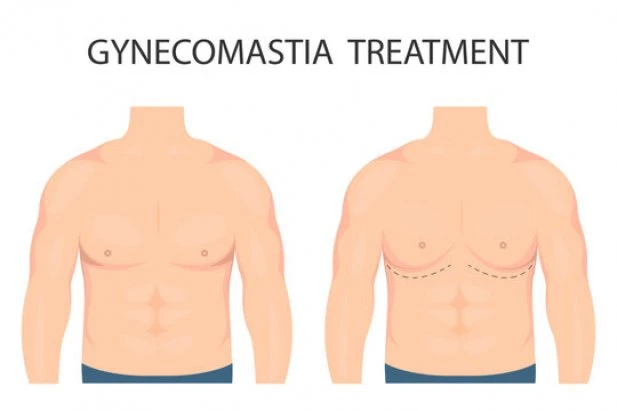
Gynecomastia, commonly known as “man boobs,” is a condition in which male breast tissue enlarges. It can occur at any age and affects men physically and emotionally, often leading to self-consciousness, embarrassment, and a lack of confidence. While lifestyle changes can help in some cases, many men require medical intervention to achieve a flatter, firmer, and more masculine chest. Modern gynecomastia solutions—both non-surgical and surgical—offer effective ways to transform the chest and restore confidence.
Understanding Gynecomastia
Gynecomastia develops when there is an imbalance between estrogen and testosterone, causing glandular breast tissue to grow. Unlike ordinary fat, this tissue is resistant to diet and exercise, making treatment more complex.
Common causes include:
-
Hormonal changes during puberty or aging
-
Rapid weight gain or obesity
-
Use of certain medications (steroids, antidepressants, heart drugs)
-
Medical conditions affecting the liver, kidneys, or thyroid
-
Alcohol or recreational drug use
Identifying the underlying cause is crucial to determine the most effective treatment plan.
Non-Surgical Gynecomastia Solutions
Non-surgical treatments are generally recommended for mild or early-stage gynecomastia, especially when fat accumulation is the primary concern.
1. Lifestyle Changes
-
Exercise: Strength training, particularly chest-focused workouts, can help tone muscles and reduce the appearance of chest fat.
-
Diet: A balanced diet and weight management can minimize fatty tissue in the chest area.
2. Medication Review
Certain drugs may contribute to gynecomastia. Consulting a doctor about alternatives or adjustments can prevent further enlargement.
3. Hormone Therapy
In cases caused by hormonal imbalance, medications can help restore a healthy testosterone-to-estrogen ratio. Hormone therapy is most effective in recent-onset or mild gynecomastia.
Limitations:
Non-surgical approaches work well for fat reduction and prevention but cannot remove firm glandular tissue. Moderate to severe cases usually require surgical intervention for a permanent solution.
Surgical Gynecomastia Solutions
Surgery provides the most effective and long-lasting results for men with persistent or advanced gynecomastia. Male breast reduction surgery removes excess fat, glandular tissue, and sometimes skin, resulting in a natural, masculine chest.
1. Liposuction
-
Ideal for patients with primarily fatty tissue
-
Removes fat through small incisions and sculpts the chest for a defined appearance
2. Excision Surgery
-
Required for dense glandular tissue or excess skin
-
Tissue is removed through discreet incisions, often around the areola
-
Allows precise reshaping of the chest
3. Combination Approach
-
Combines liposuction and excision for optimal results
-
Ensures both fat and glandular tissue are removed for a smooth, natural contour
Benefits of Surgery:
-
Permanent, long-lasting results
-
Improved chest symmetry and firmness
-
Boosted self-confidence and body image
Recovery and Post-Operative Care
Recovery depends on the surgical technique used but is generally smooth. Mild swelling, bruising, or discomfort may occur for a few days.
Post-surgery care includes:
-
Wearing a compression garment for 3–6 weeks to support healing
-
Avoiding heavy lifting or strenuous activity for 3–4 weeks
-
Following the surgeon’s instructions for medications and care
-
Returning to light activities within a few days, with full exercise resuming after about a month
Final results gradually appear as swelling subsides, revealing a firmer, masculine chest.
Choosing the Right Treatment
The choice between non-surgical and surgical gynecomastia solutions depends on:
-
Severity and type of gynecomastia (fatty vs. glandular tissue)
-
Duration and progression of the condition
-
Overall health and lifestyle
-
Personal goals and expectations
Consulting a qualified plastic surgeon or endocrinologist is essential to design a safe, effective, and personalized treatment plan.
Conclusion
Gynecomastia can affect both physical appearance and emotional well-being, but it is highly treatable. Non-surgical options, such as lifestyle changes, medication adjustments, and hormone therapy, are effective for mild cases. For moderate to severe gynecomastia, surgical intervention offers a permanent and transformative solution.
By exploring modern gynecomastia solutions, men can transform their chest, restore a masculine contour, regain confidence, and improve their quality of life.