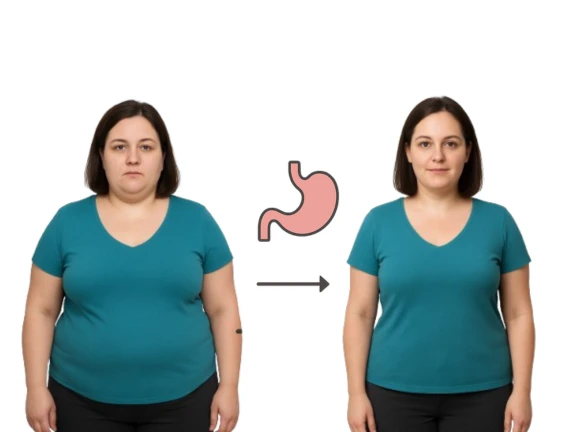
Obesity is a serious health condition that affects millions of people worldwide, increasing the risk of diabetes, heart disease, high blood pressure, sleep apnea, and many other chronic illnesses. While diet and exercise are important, they are often insufficient for individuals with severe obesity. In such cases, bariatric surgery offers a safe and effective modern solution for lasting weight loss and improved overall health.
What is Bariatric Surgery?
Bariatric surgery refers to a group of surgical procedures designed to help patients lose weight by limiting food intake, reducing nutrient absorption, or a combination of both. Modern bariatric procedures are minimally invasive, safe, and tailored to each patient’s health needs. Common types include:
-
Gastric Sleeve Surgery: Removes a portion of the stomach to limit food intake.
-
Gastric Bypass Surgery: Creates a small stomach pouch and reroutes the small intestine to reduce calorie absorption.
-
Duodenal Switch Surgery: Combines stomach restriction with significant reduction in nutrient absorption for advanced weight loss.
-
Revision Bariatric Surgery: Corrective procedures for patients who need adjustments or enhancements after a prior surgery.
Who Can Benefit?
Bariatric surgery is generally recommended for patients with:
-
Severe obesity (BMI ≥ 40)
-
BMI ≥ 35 with obesity-related health conditions, such as type 2 diabetes, hypertension, or sleep apnea
-
Difficulty achieving or maintaining weight loss through diet, exercise, or medical therapy alone
A comprehensive medical evaluation is required to determine eligibility and select the most suitable procedure.
Benefits of Modern Bariatric Surgery
Bariatric surgery offers numerous benefits beyond just weight loss:
-
Significant and Lasting Weight Loss: Patients often lose 50–80% of excess body weight within 12–18 months.
-
Improved Metabolic Health: Many patients see remission or improvement of type 2 diabetes, high blood pressure, high cholesterol, and other obesity-related conditions.
-
Enhanced Quality of Life: Increased mobility, better sleep, higher energy levels, and improved self-confidence are common outcomes.
-
Reduced Risk of Obesity-Related Complications: Long-term health improves due to lower risk of heart disease, stroke, joint problems, and certain cancers.
-
Modern, Minimally Invasive Techniques: Laparoscopic approaches reduce recovery time, scarring, and postoperative pain.
The Procedure
Bariatric surgery is typically performed laparoscopically, using small incisions and specialized instruments. The exact procedure depends on the type of surgery chosen. Key steps include:
-
Stomach Modification: Creating a smaller stomach pouch or sleeve to limit food intake.
-
Intestinal Adjustment (if applicable): Bypassing or rearranging parts of the small intestine to reduce nutrient absorption.
-
Completion: Ensuring proper healing and minimal trauma, leading to faster recovery.
Most patients stay in the hospital for 2–4 days, depending on the procedure and individual recovery speed.
Recovery and Lifestyle Changes
Bariatric surgery is a tool for weight loss, not a quick fix. Long-term success requires commitment to lifestyle changes:
-
Dietary Adjustments: Gradually progress from liquids to soft foods and then solid foods. Focus on high-protein, low-fat meals.
-
Nutritional Supplements: Lifelong vitamins and minerals are often necessary due to reduced absorption.
-
Regular Exercise: Improves metabolism, supports weight maintenance, and enhances overall health.
-
Follow-Up Care: Routine check-ups with your surgeon and nutritionist ensure proper progress and identify potential complications early.
Risks and Considerations
While bariatric surgery is generally safe, it carries some risks:
-
Surgical complications such as infection, bleeding, or leaks
-
Nutrient deficiencies requiring lifelong supplementation
-
Digestive changes, including nausea or diarrhea
-
Need for consistent adherence to diet, exercise, and follow-up
Choosing an experienced bariatric surgeon minimizes these risks and maximizes outcomes.
Is Bariatric Surgery Right for You?
Bariatric surgery is ideal for patients with severe obesity or obesity-related health conditions who have not achieved lasting weight loss through conventional methods. A thorough consultation with a qualified bariatric specialist will help determine which procedure best suits your health needs and lifestyle.
Conclusion
Bariatric Surgery is the modern solution for lasting weight loss, offering patients the opportunity to improve health, enhance quality of life, and regain confidence. With advances in minimally invasive techniques and a focus on holistic post-operative care, patients can achieve sustainable weight loss and enjoy long-term benefits.
Take the first step toward a healthier, more fulfilling life by consulting an experienced bariatric surgeon and exploring your options for safe, effective, and life-changing weight loss.