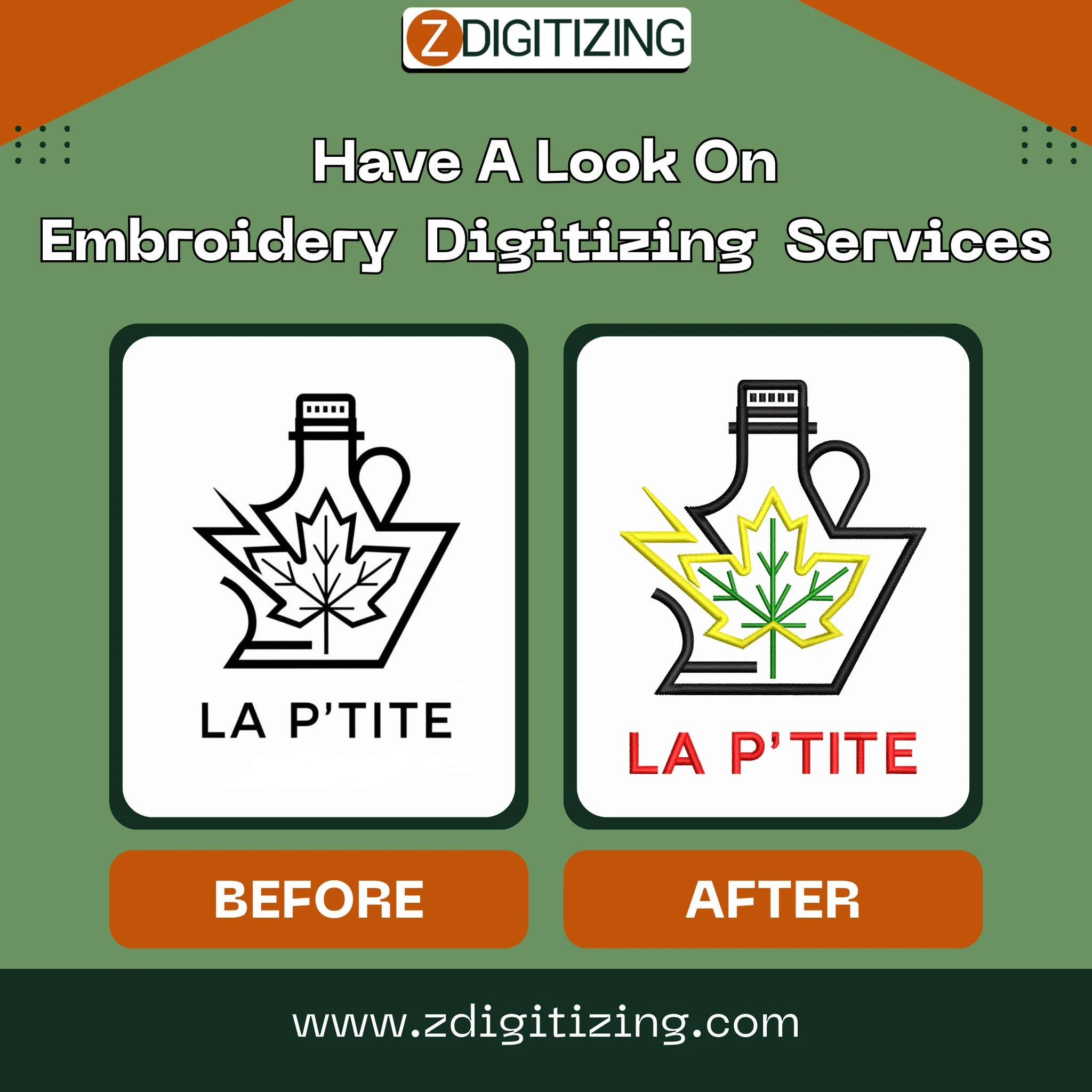
In the fashion and textile industry, embroidery is no longer just decoration it is a method for adding detailed designs, branding, and customization. However, transferring a design from a digital format to fabric requires more than just an embroidery machine. This is where reliable embroidery digitizing plays a critical role. It converts artwork into instructions that machines can follow, ensuring each stitch is accurately placed.
What Is Embroidery Digitizing?
Embroidery digitizing is the process of converting digital artwork into a format that an embroidery machine can read. Unlike printing, embroidery involves thread, fabric, and stitching patterns, which need precise directions for:
- Stitch type and direction
- Stitch density
- Sequence and layering of stitches
A professional digitizer evaluates the design and fabric to maintain stability and avoid distortions such as puckering or uneven stitching. Without careful digitizing, even high-quality designs may not reproduce correctly.
Why Digitizing Is Essential
Digitizing is not just a technical step; it directly affects the quality and efficiency of embroidery production. The advantages include:
- Accuracy: Each stitch is placed correctly, resulting in a clean, polished finish.
- Consistency: Designs can be reproduced multiple times with identical results.
- Reduced Wear and Breakage: Proper stitch patterns reduce thread breaks and machine strain.
- Fabric Adaptation: Different fabrics require different stitch densities or types, and digitizing allows adjustments.
- Complex Designs: Intricate designs that are difficult to produce manually can be executed reliably.
How Embroidery Digitizing Works
The digitizing process combines technical skill and creative judgment. The main steps include:
Design Evaluation
The digitizer examines the artwork to assess size, complexity, and color transitions.
Converting Artwork into Stitch Data
Using specialized software, the design is mapped into stitch patterns, directions, and densities.
Selecting Stitch Types
Common options include:
Satin Stitch: Suitable for lettering and borders
Fill Stitch: Used for larger areas
Running Stitch: Ideal for outlines and fine details
Specialty Stitches: For effects like applique or cording
Testing and Adjustment
A sample embroidery is created to evaluate how the design performs on the chosen fabric. Adjustments are made to prevent distortion and improve appearance.
Exporting the File
The final design is saved in machine-readable formats such as DST, PES, EXP, or JEF.
Tips for Effective Digitizing
Achieving professional embroidery results depends on careful preparation:
- Use high-resolution images for better accuracy.
- Balance stitch density to prevent distortions.
- Consider fabric type and adjust stitch patterns accordingly.
- Test small sections before full production to avoid material waste.
- Use professional digitizing software for precise results.
Benefits of Professional Digitizing
While hobbyists may try digitizing on their own, professional digitizers offer advantages:
- They can manage complex designs with higher accuracy.
- They save time and reduce production errors.
- Businesses can focus on production quality and customer satisfaction.
Current Trends in Digitizing
Embroidery digitizing is evolving with technology:
- 3D Puff Stitching: Adds depth to logos and lettering
- Hybrid Techniques: Combines satin, fill, and applique stitches for varied textures
- Automated Digitizing Software: AI-assisted tools speed up digitizing while maintaining accuracy
- Sustainable Practices: Optimized stitch patterns reduce thread waste and machine wear
Conclusion
Embroidery digitizing ensures that designs are accurately and efficiently translated into high-quality embroidered products. Proper digitizing affects durability, appearance, and production efficiency, making it a crucial step for businesses and enthusiasts. Understanding the process and working with skilled digitizers can prevent common mistakes and improve final results.
Frequently Asked Questions
1. Can I digitize embroidery designs at home?
Yes, it is possible with the right software and machines. However, professional digitizers offer experience with complex designs and fabric adjustments that can be challenging to achieve alone.
2. Why does my embroidery design look distorted?
Distortion usually occurs due to improper digitizing, such as incorrect stitch density, wrong stitch type, or not considering fabric properties. Adjustments in digitizing can correct this.
3. Which file format is best for embroidery machines?
The best format depends on the machine. Common formats include DST, PES, EXP, and JEF. Professional digitizers can convert designs into the appropriate format for your machine.
4. How do I choose the right stitch type for my design?
Stitch type depends on the design detail and fabric. Satin is good for outlines and lettering, fill for large areas, and running stitch for fine details. Specialty stitches are used for decorative effects.