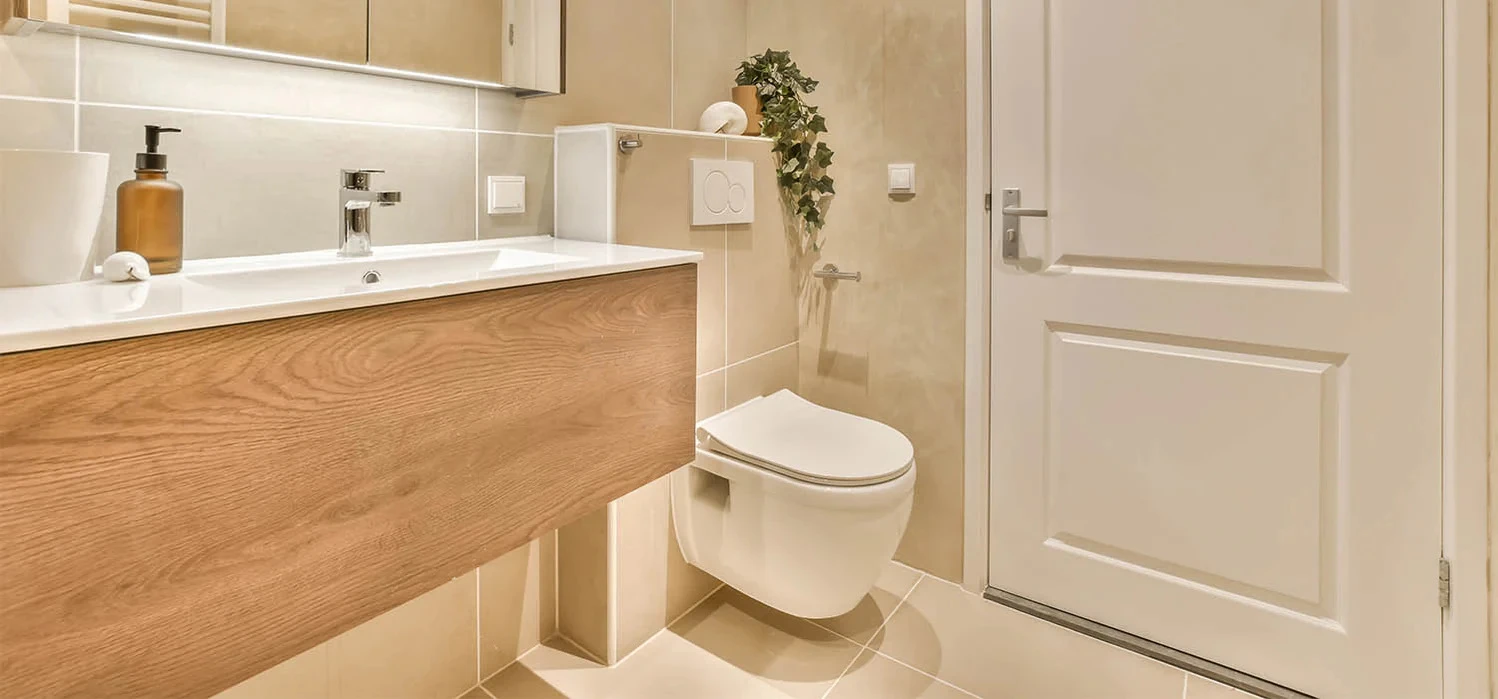
Introduction: Wall Hung Toilets — Stylish and Space-Saving, But Are They Worth It?
Wall hung toilets have become increasingly popular in modern bathroom design. With their sleek look, space-saving profile, and easy-to-clean setup, they’re often featured in magazines, designer bathrooms, and high-end renovations. But beyond aesthetics, many homeowners wonder: are wall hung toilets truly worth the cost? Compared with traditional floor-mounted toilets, wall hung models have a unique set of pros and cons that should be evaluated before you decide to install one in your home.
In this article, we’ll take a detailed, human-friendly look at the advantages, disadvantages, and real-world considerations of owning a wall hung toilet. Whether you’re planning a renovation or simply curious about the trend, this guide will help you decide if this modern toilet style delivers enough value for the investment.
What Is a Wall Hung Toilet and How Does It Work?
A wall hung toilet is mounted directly to the bathroom wall, with the tank and flushing mechanism concealed behind the wall surface. Instead of resting on the floor like traditional toilets, the bowl hangs above it, supported by a sturdy in-wall frame system that bears the user’s weight.
The flush tank (cistern) is hidden inside the wall cavity, and only a sleek flush plate is visible. This gives wall hung toilets a minimalist appearance and allows for more open floor space. The design also makes it easier to clean beneath the toilet, as there are no hard-to-reach crevices around the base.
Because installation is very different from floor-mounted toilets, wall hung models typically involve additional framing, plumbing, and sometimes structural adjustments during installation. This plays a big role in both the price and overall value of the system.
Pros: Why Choose a Wall Hung Toilet
1. Sleek, Modern Aesthetic
One of the biggest appeals of wall hung toilets is their clean, contemporary look. With the tank hidden behind the wall, the visible profile is streamlined and minimalist. This design can instantly elevate the style of a bathroom, making it feel more open and luxurious.
2. Space-Saving Design
Wall hung toilets can make small bathrooms feel significantly larger. Because the bowl doesn’t touch the floor and the tank is concealed, the bathroom appears less cluttered. This makes wall hung toilets ideal for tight layouts, powder rooms, or minimalist design schemes.
3. Adjustable Height
Unlike traditional toilets, the height of a wall hung toilet can be adjusted during installation. This can be particularly helpful for families with members of varying heights or mobility needs, offering a customized and more comfortable experience.
4. Easier Cleaning
Without a base touching the floor, cleaning becomes much easier. There are no awkward curves or nooks around the toilet base where dust and grime can accumulate. This often leads to a more hygienic bathroom environment with less effort.
5. Modern Features and Customization
Many wall hung toilets come with flush plates that offer dual-flush options, helping save water. The hidden tank also allows designers to select wall finishes and materials that suit their aesthetic without interruption.
Cons: What You Should Consider Before Buying
1. Higher Initial Cost
Wall hung toilets are generally more expensive than traditional floor-mounted models. The toilet unit itself costs more, and the installation is more complex and labor-intensive, which adds to the overall price. If budget is a major concern, this can be a significant drawback.
2. Installation Requires More Work
Installing a wall hung toilet isn’t a simple swap-out. It usually requires:
-
Cutting into the wall to install a supporting frame and tank system
-
Reinforcing wall studs to support weight
-
Rerouting plumbing in some cases
This means it’s not something most homeowners can DIY, and professional installation is nearly always required.
3. Limited Access for Repairs
Although modern designs include access panels or flush plates that open to the tank, servicing hidden components can still be more complicated than with traditional toilets. If a part inside the wall needs repair, it may require removing wall tiles or opening the wall surface.
4. Wall Strength and Structure Matter
Not all walls can support a wall hung toilet without reinforcement. Load-bearing walls, stud configuration, and tile work all influence whether installation is feasible. In some cases, additional construction work is needed before the toilet can be hung securely.
5. Replacement and Upgrades Can Be Tricky
Because the tank and flush mechanism are buried inside the wall, upgrading or replacing individual components can be more involved than with floor-mounted toilets. This might mean opening the wall or scheduling professional help even for minor issues.
Performance and Function: How Wall Hung Toilets Compare
When it comes to functionality, wall hung toilets are generally on par with traditional toilets. Most modern models offer strong flushing performance, efficient water use, and dual-flush options. The difference is mainly in user experience and bathroom design.
In terms of comfort, the adjustable height can make a noticeable difference, especially for tall users or those with mobility concerns. Some people find wall hung toilets more comfortable because they can be set at a personalized height rather than a standard factory dimension.
However, perception of flushing power can vary based on bowl design and installation. Some models focus on water efficiency and use less water per flush, which is great for conservation but may feel different compared with older, high-flow toilets. Choosing a quality model with good reviews is key to avoiding performance disappointment.
Cost Breakdown: What You Can Expect to Pay
Understanding the cost of a wall hung toilet involves more than just the price tag on the unit. Most people will encounter three major expense categories:
1. The Toilet Unit Itself
Wall hung toilet bowls typically cost more than standard toilets. Prices vary based on brand, design, materials, and features like soft-close seats or advanced flushing systems.
2. In-Wall Frame and Tank System
This is a separate component from the bowl and includes the supporting structure and water cistern. It’s essential for secure installation and adds to the overall cost.
3. Professional Installation
Because of the structural work and plumbing involved, professional installation is recommended and often required. This typically costs more than installing a traditional toilet.
When you add these together, the total cost of a wall hung toilet installation can be significantly higher than a floor-mounted unit. However, many homeowners consider it a worthwhile investment for improved design, space savings, and long-term satisfaction.
Final Verdict: Is a Wall Hung Toilet Worth the Cost?
The simple answer is: it depends on your priorities and budget.
Wall hung toilets offer undeniable design advantages, easy cleaning, and space-saving benefits. If you’re renovating your bathroom, value a modern aesthetic, and want a fixture that enhances both form and function, they are often worth the extra cost.
However, if your main priorities are low upfront expense, simple installation, or you’re working with walls that can’t easily accommodate the system, a traditional toilet might be the better choice.
For many homeowners, the decision comes down to lifestyle and long-term value. If you plan to stay in your home long-term and appreciate the design, convenience, and cleaning benefits, a wall hung toilet can be a smart investment. If you’re more focused on practicality and upfront cost savings, a traditional model still offers reliable performance with fewer installation challenges.
Whichever route you choose, understanding the pros and cons helps you make a confident decision that fits your bathroom goals and budget.