Custom embroidery has become an essential feature for businesses, hobbyists, and fashion enthusiasts who want professional-quality designs. Whether you are branding products, creating gifts, or producing custom apparel, embroidery requires careful planning to ensure precision and durability. At the core of this process is embroidery digitizing, and with online services, this task has become more accessible than ever.
What is Embroidery Digitizing?
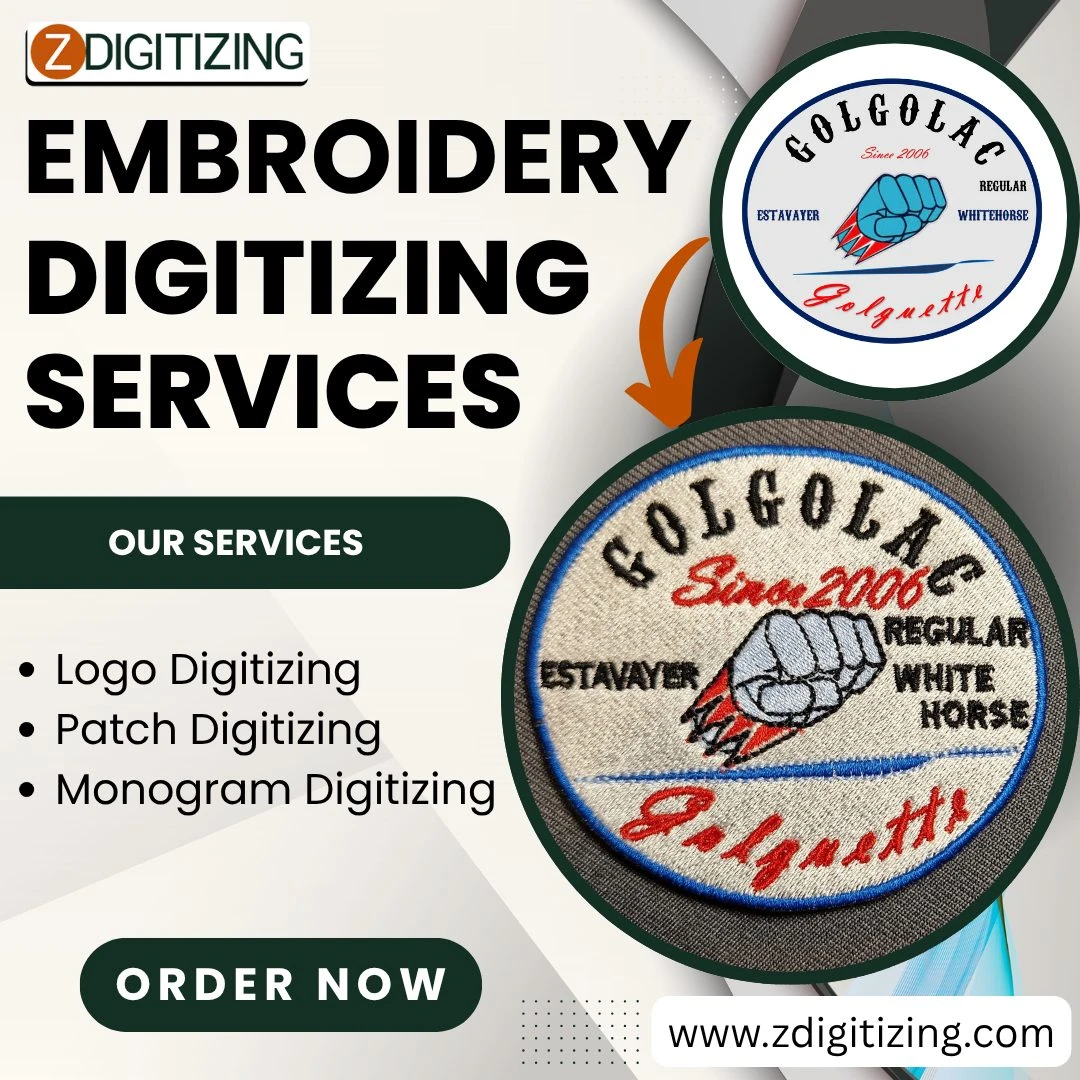
Embroidery digitizing is the process of converting artwork, logos, or illustrations into a digital format that embroidery machines can read. Unlike standard graphic design, embroidery digitizing online requires attention to stitch types, direction, density, and sequencing. The result is a digital file that guides the machine to recreate the design accurately on fabric.
This process transforms flat images into stitch-ready patterns, ensuring that logos and designs maintain clarity and detail when embroidered.
Advantages of Online Embroidery Digitizing
Online embroidery digitizing services have simplified what was once a complex process, making it accessible for both small businesses and individual users. Some of the key advantages include:
- Convenience: Upload your design from any location without the need for in-person meetings.
- Professional Quality: Access experienced digitizers who understand the technical requirements of embroidery.
- Faster Turnaround: Receive digitized files quickly, which is especially helpful for time-sensitive projects.
- Cost Efficiency: Avoid investing in expensive software and training; pay only for the designs you need.
- Machine Compatibility: Receive files in formats compatible with most embroidery machines, such as DST, PES, JEF, and EXP.
How Online Digitizing Works
Most online digitizing platforms follow a structured process to ensure accuracy:
- Upload Artwork: Submit your logo, illustration, or image in a supported format, such as PNG, JPEG, AI, or EPS.
- Specify Requirements: Include details about fabric type, hoop size, thread colors, and stitch preferences.
- Digitizing Process: Professionals create a machine-readable embroidery file, carefully calculating stitch types and densities.
- Review and Approval: You receive a digital proof for approval before the final file is delivered.
- File Delivery: The completed embroidery-ready file is sent in a format compatible with your machine.
Benefits of Professional Digitizing
Professional digitizing ensures that embroidered designs are precise, durable, and visually consistent. The advantages include:
- Accuracy: Stitch types, directions, and densities are optimized for the best outcome.
- Time Efficiency: Avoid trial-and-error that could waste time and resources.
- Fabric Optimization: Files are adjusted for specific fabrics to prevent puckering or distortion.
- Scalability: Designs can be resized without compromising quality.
- Consistency for Bulk Orders: Maintain uniformity across multiple products.
Tips for Quality Results
Even when using online services, there are steps you can take to improve the final outcome:
- Provide high-resolution, clear artwork.
- Specify thread colors, stitch types, and design dimensions.
- Consider the fabric type and discuss it with the digitizer to prevent issues.
- Review digital proofs carefully and provide detailed feedback.
- Verify that the file format is compatible with your embroidery machine.
Emerging Trends in Online Digitizing
The embroidery industry is adapting to technological advances, making online digitizing more efficient and sustainable:
- AI-Assisted Digitizing: AI tools can quickly convert simple designs into embroidery-ready files.
- Cloud Collaboration: Real-time editing allows designers and clients to refine files together.
- Sustainable Practices: Optimized stitch patterns reduce thread waste.
- Integration with E-Commerce: Direct connections to merchandising and print-on-demand platforms simplify production.
FAQs About Embroidery Digitizing Online
1. What file formats are supported for embroidery digitizing?
Most services accept PNG, JPEG, AI, or EPS files for initial submission. The final digitized file can be delivered in formats compatible with common embroidery machines, including DST, PES, JEF, and EXP.
2. How long does it take to receive a digitized design?
Turnaround times vary depending on the complexity of the design. Simple logos can often be completed within 24-48 hours, while larger or more detailed projects may take several days.
3. Can online digitizing services handle complex logos with multiple colors?
Yes. Professional digitizers can manage intricate designs with multiple thread colors and provide recommendations to maintain clarity and quality in embroidery.
4. Is it necessary to provide fabric details for digitizing?
Yes. Different fabrics require different stitch types and densities. Providing this information ensures the design is compatible with the intended material and prevents puckering or distortion.
Conclusion
Online embroidery digitizing has streamlined the process of turning artwork into machine-ready designs. By combining professional digitizing expertise with digital convenience, designers, businesses, and hobbyists can achieve accurate, durable, and high-quality embroidered products.
Clear communication, quality artwork, and understanding of your materials are key to ensuring the best results. With the right service, your ideas can be translated into precise embroidery files efficiently and reliably.