The Australian apparel market is highly competitive. With consumers increasingly prioritizing comfort, breathability, and natural fibers, the demand for high-quality cotton fabric clothing continues to rise. For fashion brands and retailers, this presents a lucrative opportunity, but only if the product meets specific standards.
Sourcing the right product requires more than just picking a design. It involves a rigorous check of material quality, manufacturing precision, and regulatory compliance. Whether you are a startup or an established label, understanding these nuances is critical for success.
Leading industry players like Fabriclore Pvt Ltd, a top clothing manufacturer, emphasize that the difference between a bestseller and a returned item often lies in the details of the fabric and construction.
Understanding the Australian Market
Australian consumers are knowledgeable and discerning. Due to the country's unique climate—ranging from tropical in the north to temperate in the south—breathable fabrics like cotton are a staple. However, the market has shifted beyond just basic needs.
There is a strong push toward sustainability and ethical production. Shoppers check labels for material composition and origin. They expect garments that withstand frequent washing without losing shape or color. Consequently, brands must prioritize durability and eco-friendly practices to capture market share.
Key Checks Before Ordering Cotton Fabric Clothing
Before placing a bulk order, you must verify several technical aspects of the product. Ignoring these checks can lead to stock rejection and damage to your brand reputation.
Fabric Quality and Composition
Not all cotton is equal. The first step is to verify the specific type of cotton used. Organic cotton is increasingly popular due to its lower environmental impact and hypoallergenic properties. Combed cotton, where short fibers are removed, offers a smoother and stronger fabric compared to regular cotton.
You must also check the GSM (grams per square meter). This measurement indicates fabric weight and density.
-
Lower GSM (120-150): Suitable for summer t-shirts and lightweight dresses.
-
Higher GSM (180+): Better for durable casual wear and structured garments.
Ensuring the correct GSM guarantees the garment performs as expected for its intended season and use.
Color Fastness and Dye Quality
Australia's high UV index means clothing is often exposed to strong sunlight. Poor-quality dyes will fade rapidly, leading to customer dissatisfaction.
Always request lab dips and test reports for color fastness. This measures how well the fabric resists fading when exposed to washing, light, and rubbing (crocking). High-quality reactive dyes bond better with cotton fibers, ensuring vibrant colors remain intact wash after wash.
Stitching and Construction
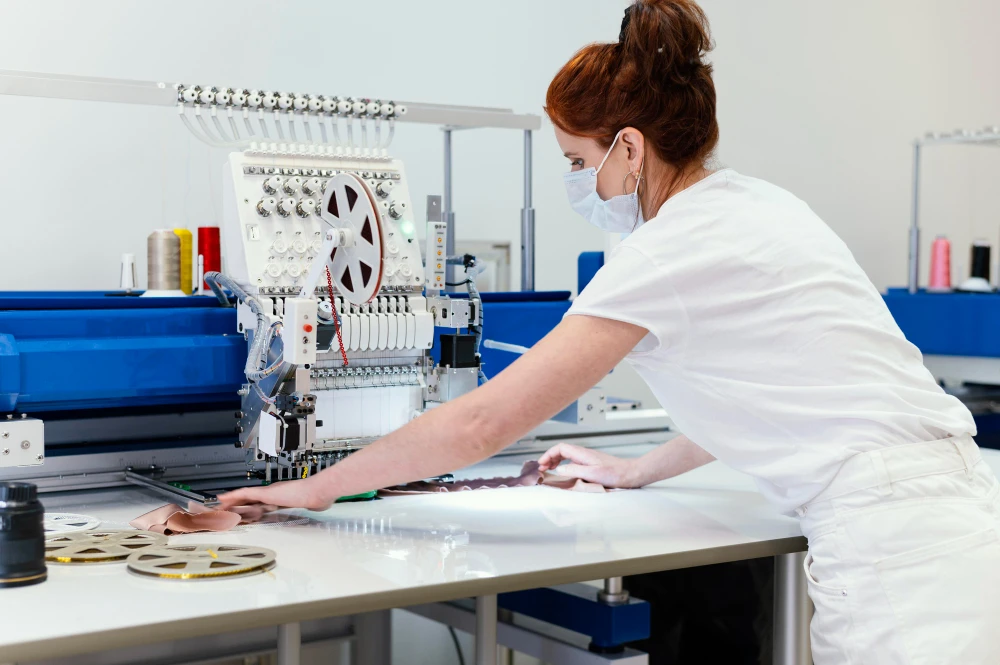
The construction of the garment defines its longevity. Weak seams are a primary cause of returns. Inspect the stitch density (stitches per inch). Higher density generally equates to stronger seams.
Look for neat finishing. Loose threads, uneven hems, and puckered seams are signs of poor manufacturing. For woven fabric garmenting, check that the stress points—like pockets and armholes—are reinforced.
Sizing and Fit
Sizing is a common pain point in the fashion industry. Australian sizing standards differ slightly from US or European sizing. An "imperfect fit" is one of the top reasons for online returns.
Work closely with your clothing manufacturer to develop a size chart tailored to the Australian demographic. Request sample runs in multiple sizes (not just the base size) to ensure grading is consistent across the range.
Compliance and Certifications
To sell in Australia, you must adhere to specific regulations. This includes accurate care labeling and country of origin tags.
Furthermore, certifications build trust. Look for manufacturers who work with Oeko-Tex Standard 100 certified fabrics, which guarantees the textile is free from harmful substances. If you are marketing organic cotton, GOTS (Global Organic Textile Standard) certification is non-negotiable.
Working with a Clothing Manufacturer
The quality of your final product depends heavily on your manufacturing partner. Selecting the right clothing manufacturer is a strategic decision.
Selecting the Right Partner
Look for a manufacturer with a proven track record in exporting to Western markets. They should understand the specific quality expectations of Australian retailers. Fabriclore Pvt Ltd stands out in this regard, offering comprehensive solutions for private labels globally.
Transparency is key. Your manufacturer should be open about their supply chain, sourcing methods, and production capabilities. Clear communication regarding lead times and Minimum Order Quantities (MOQs) prevents delays and misunderstandings.
Quality Control Processes
Do not rely solely on the final shipment inspection. A robust quality control (QC) process involves three stages:
-
Pre-production checks: Verifying raw materials (fabric, trims, accessories) before cutting begins.
-
In-line inspection: Checking garments during the assembly process to catch errors early.
-
Final inspection: Examining the finished, packed product for aesthetic and functional defects.
Establishing these checkpoints ensures that any issue is rectified before the goods leave the factory floor.
Woven Fabric Garmenting Considerations
Woven fabrics behave differently than knits. They have less stretch and require precise tailoring. When dealing with woven fabric garmenting, specific technical considerations apply.
Weave Types and Their Suitability
The weave structure determines the fabric's look, feel, and drape.
-
Plain Weave: The most common and durable weave. It provides a flat, uniform surface, making it ideal for printing. It is breathable and crisp, perfect for shirts and summer dresses.
-
Twill Weave: Identifiable by its diagonal lines (like denim). It is heavier, more durable, and drapes better than plain weave. This is suitable for jackets, trousers, and workwear.
-
Satin Weave: Offers a smooth, lustrous surface. While luxurious, it is more prone to snagging and requires careful handling.
Select the weave based on the garment's function. A summer blouse needs a lightweight plain weave, while a pair of chinos requires a sturdy twill.
Durability and Maintenance
Woven cotton garments are prized for their durability, but they require proper construction to last. Ensure your manufacturer uses appropriate interlining in collars and cuffs to maintain shape.
Provide clear care instructions to the end consumer. While cotton is generally machine washable, specific weaves or finishes might require gentler handling to prevent shrinkage or distortion.
Partner with Reliability
Sourcing for the Australian market requires attention to detail. From verifying the GSM and color fastness to ensuring the fit meets local standards, every check counts. The goal is to deliver a product that looks good on the rack and performs well in the customer's wardrobe.
Partnering with a reliable woven fabric garmenting and clothing manufacturer like Fabriclore Pvt Ltd simplifies this process. With their expertise in custom design, sourcing, and quality production, you can confidently bring your cotton clothing collection to the Australian market.