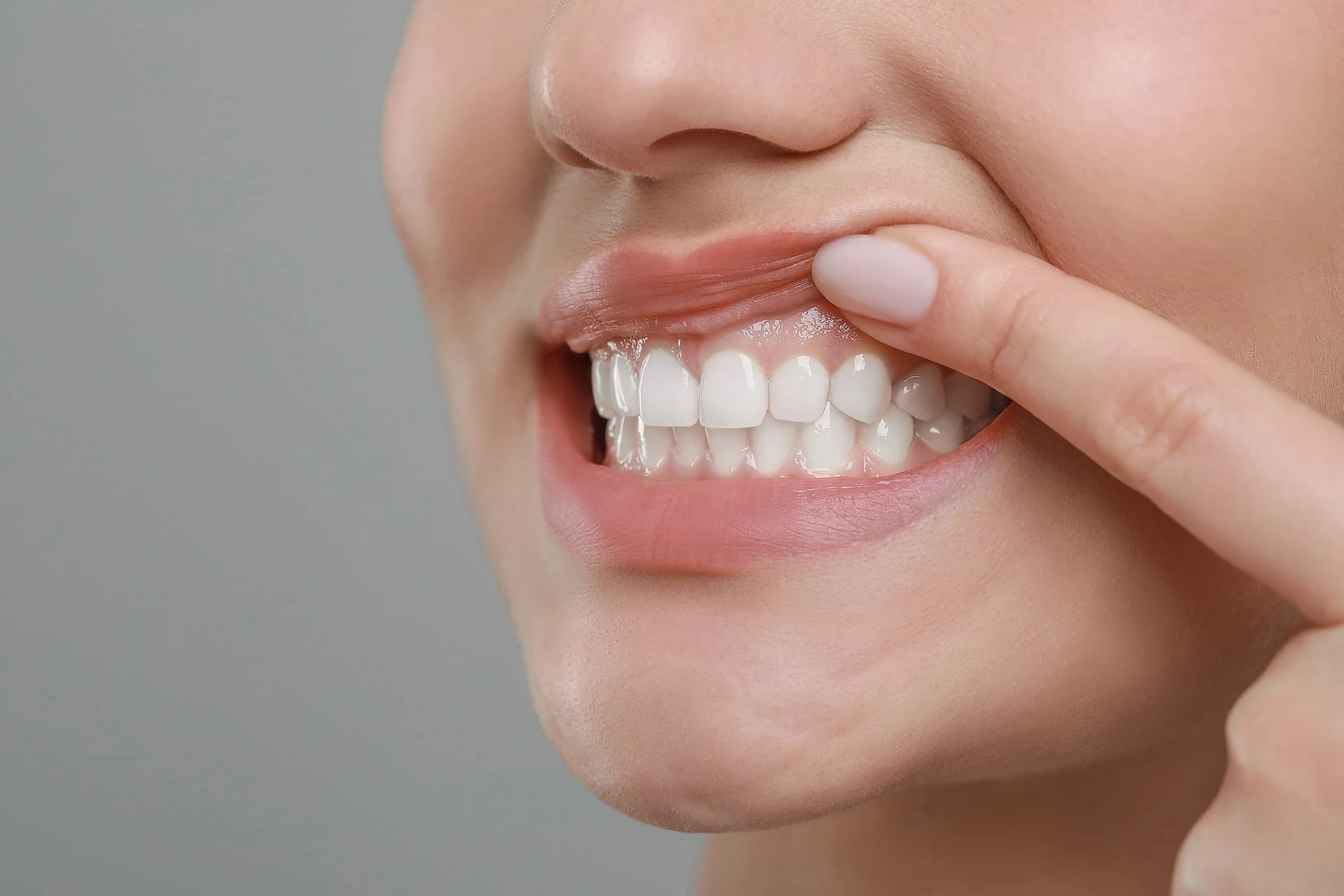
Gum health is often overlooked, yet it plays a crucial role in your overall oral hygiene. Knowing the difference between Healthy vs Unhealthy Gums can save you from serious dental problems. Healthy gums are firm, pink, and fit snugly around your teeth, while unhealthy gums can be red, swollen, or bleed easily. This guide will help you spot normal appearances versus warning signs and maintain a confident, healthy smile.
Understanding Healthy Gums
Healthy gums are the foundation of a strong mouth. They protect your teeth from bacteria and inflammation. By recognizing the characteristics of normal gums, you can prevent many oral issues before they escalate.
Color and Texture
Normal gums are usually light pink and firm. They should feel smooth but slightly stippled, not shiny or overly soft. Any drastic change in color or texture could indicate a problem.
Gum Contour
Healthy gums follow a scalloped pattern around each tooth, hugging them tightly. Receding gums or uneven lines may be a signal of early gum disease.
Sensitivity
Mild sensitivity is normal occasionally, but persistent soreness or pain may suggest inflammation or infection that needs attention.
Warning Signs of Gum Problems
Recognizing early signs of gum disease is key to preventing serious complications. If ignored, gum issues can lead to tooth loss or systemic health concerns. Dental Advice Today emphasizes routine checks and proactive care to avoid these outcomes.
Swelling and Redness
Gums that appear swollen, dark red, or purple often signal inflammation. These changes are usually the first noticeable symptoms of gingivitis.
Bleeding Gums
Bleeding while brushing or flossing is never normal. Even minor bleeding can indicate plaque buildup or early-stage periodontal disease.
Persistent Bad Breath
Chronic bad breath, even with good brushing habits, can be caused by bacteria thriving in inflamed gums. Treating the underlying cause is essential for oral health.
Maintaining Optimal Gum Health
Preventive care is always better than treatment. Daily hygiene, proper nutrition, and regular check-ups are crucial for keeping your gums healthy.
Daily Oral Hygiene
Brush twice a day with a soft-bristled toothbrush and use dental floss or interdental brushes to remove plaque between teeth. This reduces the risk of gum disease significantly.
Healthy Diet Choices
A balanced diet rich in vitamins C and D supports gum tissue health. Avoid excessive sugar and acidic foods that can erode enamel and irritate gums.
Regular Dental Check-Ups
Visiting your dentist every six months allows early detection of gum problems. Professional cleanings remove tartar buildup that regular brushing cannot.
FAQs
Q1: How can I tell if my gums are unhealthy?
A: Look for redness, swelling, bleeding, and receding gums. Persistent sensitivity or discomfort is also a warning sign that you should consult your dentist.
Q2: Can gum disease be reversed naturally?
A: Early-stage gum disease like gingivitis can often be reversed with improved oral hygiene, healthy diet, and regular dental visits. Advanced periodontal disease requires professional treatment.
Q3: How often should I see a dentist for my gums?
A: Routine check-ups every six months are ideal. If you notice any warning signs, schedule an appointment immediately to prevent further damage.
Conclusion
Understanding the differences between normal and problematic gums is essential for maintaining a healthy mouth. By observing signs, practicing proper oral hygiene, eating a balanced diet, and seeking Dental Advice Today, you can protect your smile from preventable issues. Healthy gums not only enhance your appearance but also contribute to overall well-being, making early attention and care invaluable.