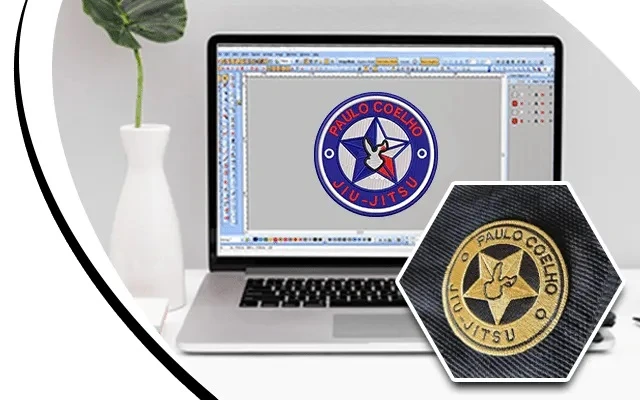
Premium patch digitizing plays a critical role in the embroidery industry, especially for projects that require accuracy, durability, and consistent visual results. Patches are widely used for branding, uniforms, clubs, teams, and apparel, making their quality a direct reflection of professionalism.
Unlike standard embroidery, patches must maintain their structure and appearance even after repeated handling, attachment, and washing. This is why premium patch digitizing focuses on precision rather than speed.
At its core, premium patch digitizing converts artwork into a machine-readable embroidery file while accounting for stitch behavior, fabric response, and long-term performance. The goal is not only to reproduce a design but to ensure it stitches cleanly and reliably in real production conditions.
What Is Patch Digitizing?
Patch digitizing is the technical process of transforming logos, text, or illustrations into embroidery files that machines can execute accurately. While the concept is similar to general embroidery digitizing, patches require additional planning. Borders, stitch density, and underlay play a larger role because patches are usually produced separately and later attached to garments or accessories.
Premium patch digitizing places emphasis on stitch direction, clean edges, and balanced density. A properly digitized patch performs consistently on fabric, avoids thread breaks, and maintains its shape throughout its lifespan.
Why Premium Quality Matters in Patch Digitizing
Patches face more wear than direct embroidery. They are handled individually, sewn or heat-pressed, and often exposed to friction. Low-quality digitizing can result in uneven borders, loose threads, or distorted lettering, which reduces usability and increases production waste.
Premium patch digitizing ensures controlled stitch flow and structural stability. This approach helps maintain clarity, reduces machine downtime, and produces patches that meet professional standards.
Key outcomes of premium-quality digitizing include clean borders, accurate lettering, controlled stitch density, minimal thread trimming, and consistent structure across production runs. These elements directly impact the durability and appearance of the final patch.
Core Elements of Premium Patch Digitizing
Creating a reliable patch requires more than automated software output. Skilled digitizers apply experience and technical judgment to every design.
Border digitizing is one of the most important elements. Satin, merrow-style, or custom borders must be even and secure to prevent fraying and distortion. Stitch type selection also affects texture and readability, especially for small text or detailed artwork.
Stitch density must be carefully calculated. Excessive density can make patches stiff and cause thread breaks, while insufficient density can expose fabric gaps. Proper underlay stitching adds stability and improves top-stitch coverage, particularly for patches that require firmness. Color management and clean sequencing help reduce overlaps and unnecessary trims.
Benefits of Premium Patch Digitizing
Investing in premium patch digitizing supports consistent production quality and reduces long-term costs. Businesses and embroidery professionals benefit from improved reliability and predictable results.
Some practical advantages include a professional appearance, fewer production errors, smoother machine operation, longer-lasting patches, and consistent output across repeat orders. These benefits support brand consistency and help maintain trust with clients or end users.
Applications of Digitized Patches
Premium patch digitizing is used across multiple sectors, including branding, uniforms, sports teams, fashion, and custom merchandise. Each application has specific technical requirements, such as stitch density, backing type, and attachment method. A premium approach ensures the digitized file is suitable for its intended use rather than relying on a one-size-fits-all method.
Common Issues Avoided with Premium Digitizing
Low-quality digitizing often causes avoidable production problems. Premium patch digitizing helps prevent uneven borders, frequent thread breaks, distorted text, excessive stiffness, and attachment alignment issues. Addressing these concerns during digitizing saves time, materials, and machine wear.
How Premium Digitizing Supports Brand Consistency
Patches often represent logos, team identities, or organizational symbols. Any inconsistency in embroidery can affect perception. Premium patch digitizing ensures designs are reproduced accurately across different runs, helping maintain visual consistency and professional credibility.
Final Thoughts
Premium patch digitizing combines technical skill, embroidery knowledge, and practical experience. Every stitch, border, and density choice contributes to the final result. By prioritizing quality during digitizing, patches perform better in production and maintain their appearance over time.
For businesses, organizations, and creators who value reliable embroidery results, premium patch digitizing remains an essential investment.
Frequently Asked Questions (FAQs)
What makes premium patch digitizing different from regular digitizing?
Premium patch digitizing focuses on durability, stitch efficiency, and clean borders, while regular digitizing may not account for patch-specific requirements like attachment and repeated handling.
Which border type is best for embroidered patches?
The best border depends on the design and use. Satin borders are common for clean edges, while merrow-style borders work well for thicker, traditional patches.
Can small text be digitized for patches?
Yes, but it requires careful stitch selection and spacing. Premium digitizing adjusts stitch types and density to maintain readability.
Why is stitch density important in patch digitizing?
Correct stitch density prevents stiffness, fabric distortion, and thread breaks, ensuring the patch remains durable and visually consistent.