
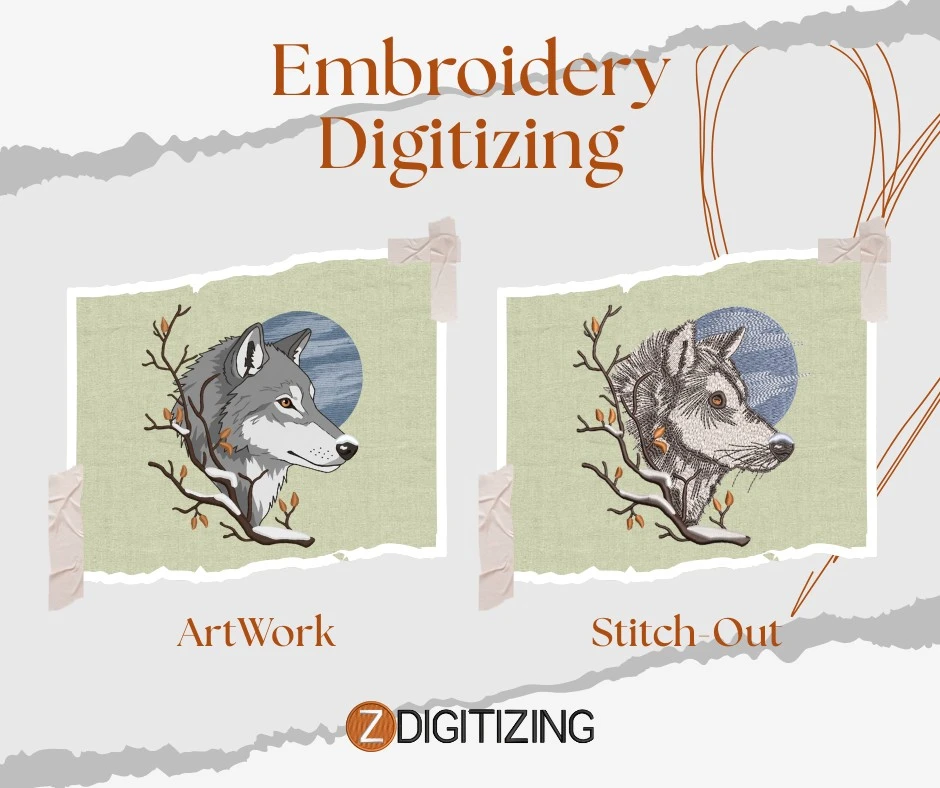
In competitive branding, embroidery continues to be a reliable and professional method for applying logos to apparel and merchandise. From corporate uniforms to promotional products, embroidered logos offer durability and a refined appearance.
However, embroidery machines cannot stitch a logo directly from a standard image file. Before production begins, the artwork must go through a specialized process known as logo digitizing.
With digital workflows becoming standard across industries, many businesses now rely on online digitize logo for embroidery services to achieve accuracy, efficiency, and consistency. This guide explains what embroidery digitizing involves, why it is important, and how online services support businesses and designers.
What Is Logo Digitizing for Embroidery?
Logo digitizing for embroidery is the technical process of converting artwork into a stitch-based file that embroidery machines can interpret. Unlike print graphics, embroidery designs must account for stitch paths, thread behavior, and fabric characteristics.
A properly digitized embroidery file includes instructions for stitch type, stitch direction, stitch density, color sequencing, and machine movement. These elements work together to ensure the final embroidered logo matches the original design as closely as possible.
Online digitizing services allow users to upload their logo, share embroidery requirements, and receive a machine-ready file without needing physical consultations. This approach simplifies the workflow while maintaining professional standards.
Why Online Digitize Logo for Embroidery Is Important
Embroidery machines do not read pixels or vectors like printers. They require stitch-based commands that control how thread interacts with fabric. Without proper digitizing, logos can appear distorted, uneven, or poorly aligned.
Accurate digitizing helps maintain brand consistency, especially when logos are applied across multiple garments or production batches. It also reduces common embroidery issues such as thread breaks, puckering, and excessive stitch counts, which can increase costs and production time.
For businesses, using online digitizing services ensures logos are prepared correctly before production begins, minimizing errors and material waste.
Benefits of Using Online Digitizing Services
Online embroidery digitizing offers several practical advantages for businesses of all sizes. One of the main benefits is accessibility. Designs can be submitted at any time, reviewed digitally, and adjusted without delays caused by in-person coordination.
Another advantage is turnaround time. Many professional services deliver digitized files quickly while maintaining quality standards. Online digitizers also work with a wide range of embroidery machines and provide multiple file formats, ensuring compatibility with different setups.
Skilled digitizers bring technical expertise to complex designs, adjusting stitch angles, densities, and underlays based on fabric type and logo detail. This level of precision is difficult to achieve through automated tools alone.
How the Online Logo Digitizing Process Works
The online digitizing process typically begins with uploading the logo in a common format such as PNG, JPG, PDF, or AI. Clients then specify details like design size, fabric type, and placement location on the garment.
The digitizer analyzes the artwork and converts it into a stitch file using professional embroidery software. This step includes setting stitch types, defining thread paths, and optimizing stitch count. A quality review is performed to ensure the file runs smoothly on embroidery machines.
Once completed, the final digitized file is delivered electronically and is ready for production.
Embroidery File Formats and Compatibility
Different embroidery machines require different file formats. Common formats include DST, PES, EXP, JEF, VP3, and XXX. Selecting the correct format is essential for machine performance and stitch accuracy. Reputable online services usually provide files tailored to the client’s machine requirements.
Common Mistakes to Avoid When Digitizing Logos Online
One frequent mistake is submitting low-resolution or unclear artwork. Poor image quality limits how accurately a logo can be digitized. Another issue is ignoring fabric type, which plays a major role in stitch behavior and design stability.
Incorrect sizing and unbalanced stitch density can also affect embroidery results. Skipping test runs before full production increases the risk of costly errors. Clear instructions and proper preparation help prevent these issues.
Who Benefits from Online Digitize Logo for Embroidery Services?
Online embroidery digitizing is widely used by apparel brands, uniform suppliers, promotional product businesses, sports teams, and designers. It is equally useful for small batch orders and large-scale production, ensuring consistent quality across all embroidered items.
The Future of Online Embroidery Digitizing
Advancements in embroidery software and digital workflows continue to improve efficiency and accuracy. While automation supports faster processing, experienced digitizers remain essential for handling detailed logos and fabric-specific adjustments. As demand for customized apparel grows, online digitizing services will remain a key part of embroidery production.
Conclusion
Online digitize logo for embroidery services play a critical role in producing high-quality embroidered designs. By converting artwork into precise stitch files, these services help businesses maintain brand consistency, reduce production issues, and achieve reliable results. With professional digitizing and clear design guidelines, embroidered logos can meet both visual and functional expectations across a wide range of applications.
FAQs
1. What file do I need to upload for online embroidery digitizing?
You can upload common image or vector files such as PNG, JPG, PDF, or AI. Higher-quality artwork leads to better digitizing results.
2. How long does online logo digitizing usually take?
Turnaround time varies, but many professional services deliver digitized files within 24 hours, depending on design complexity.
3. Can the same digitized logo be used on different fabrics?
Not always. Different fabrics may require adjustments to stitch density and underlay, so revisions may be needed for optimal results.
4. Is online embroidery digitizing suitable for small businesses?
Yes. Online services are cost-effective, accessible, and suitable for both small orders and large-scale production.



