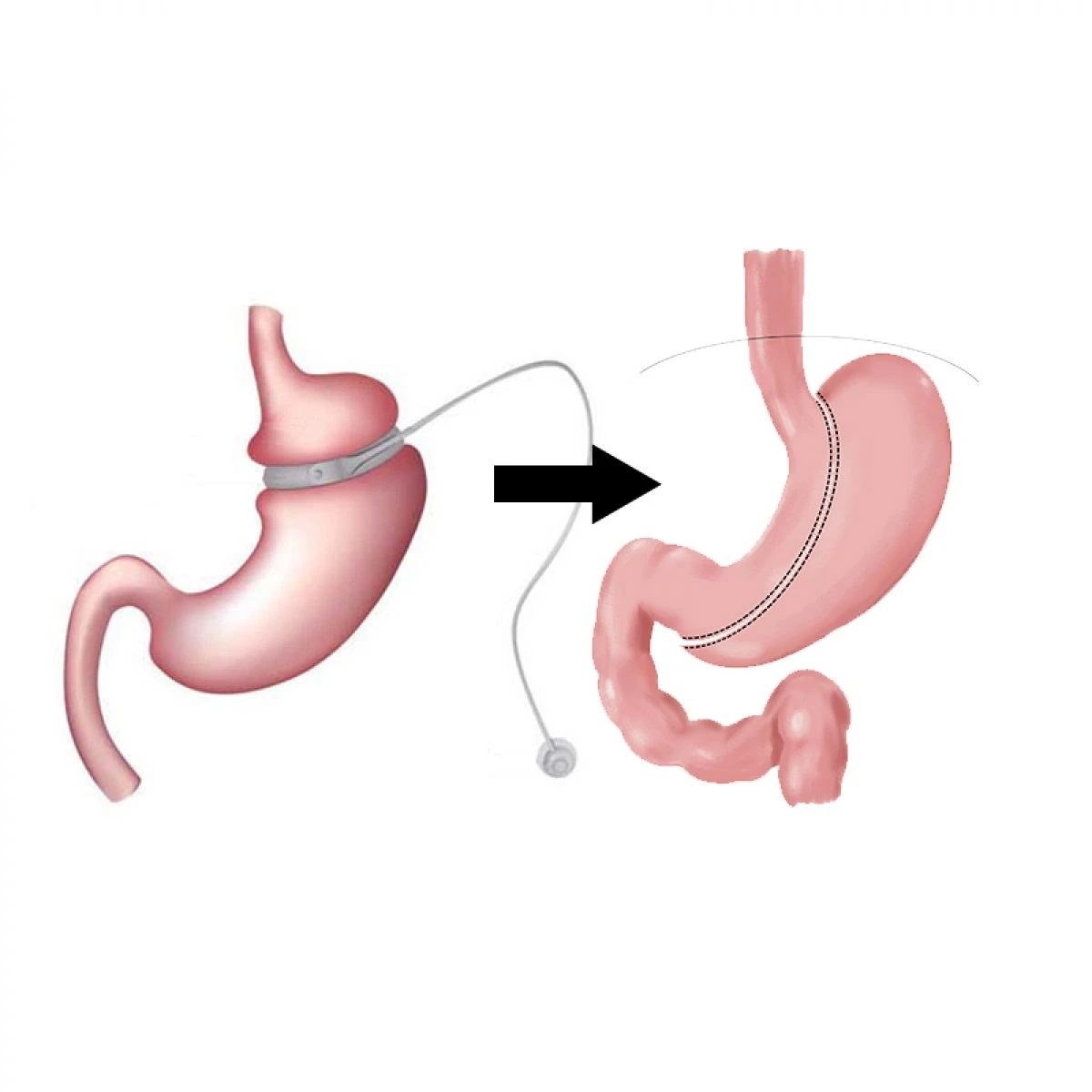
Obesity is a chronic health condition affecting millions of people worldwide. Beyond its effect on appearance, carrying excess weight increases the risk of serious medical problems such as type 2 diabetes, high blood pressure, heart disease, sleep apnea, and joint pain. While diet and exercise are important, they often fall short in producing long-term results for individuals struggling with obesity. Bariatric surgery offers a medically proven solution, providing life-changing results that extend beyond weight loss—improving health, well-being, and overall quality of life.
Understanding Bariatric Surgery
Bariatric surgery is a group of surgical procedures designed to help patients achieve significant weight loss by modifying the digestive system. These procedures may reduce stomach size, limit calorie absorption, or alter hormones that control hunger and fullness. Unlike cosmetic procedures or temporary diets, bariatric surgery is a clinically validated treatment for obesity and related health conditions.
Common procedures include gastric sleeve surgery, gastric bypass, mini gastric bypass, adjustable gastric banding, and duodenal switch. Each procedure is carefully chosen based on the patient’s body mass index (BMI), health history, lifestyle, and long-term goals to ensure safety and effective outcomes.
How Bariatric Surgery Creates Life-Changing Results
Bariatric surgery provides more than just physical transformation. By reducing stomach size and influencing hunger-regulating hormones, patients feel full sooner, eat less, and develop healthier eating habits. These physiological changes, combined with structured dietary guidance and lifestyle adjustments, make long-term weight loss achievable and sustainable.
Beyond weight reduction, bariatric surgery delivers measurable improvements in obesity-related health conditions. Many patients experience better control or resolution of type 2 diabetes, lower blood pressure, improved cholesterol levels, and relief from sleep apnea. Weight loss also reduces strain on joints, improves mobility, and increases energy, allowing patients to enjoy a more active and fulfilling lifestyle.
Psychological benefits are equally significant. Patients often report enhanced self-esteem, reduced anxiety related to weight, and a renewed sense of confidence. By addressing both physical and emotional challenges, bariatric surgery transforms lives holistically.
Types of Bariatric Surgery
Gastric Sleeve (Sleeve Gastrectomy):
Removes a portion of the stomach to create a smaller, tube-shaped stomach. Reduces hunger hormones and limits food intake for sustainable weight management.
Gastric Bypass (Roux-en-Y):
Creates a small stomach pouch and reroutes part of the small intestine. Reduces calorie absorption and promotes significant long-term weight loss. Particularly effective for patients with type 2 diabetes.
Mini Gastric Bypass:
A simplified variation of gastric bypass offering effective weight loss with fewer surgical connections and a shorter procedure time.
Adjustable Gastric Band:
A silicone band is placed around the upper stomach to control portion size. While reversible, results are slower and less predictable compared to other procedures.
Duodenal Switch:
Combines stomach reduction with intestinal bypass. Provides maximum weight-loss potential and metabolic benefits but requires lifelong nutritional monitoring.
Life After Surgery
While bariatric surgery is a powerful tool, long-term success depends on patient commitment. After surgery, patients follow a structured dietary plan, progressing from liquids to soft foods and eventually solid meals. Adequate protein intake, hydration, and vitamin supplementation are essential for recovery and maintaining overall health.
Incorporating regular physical activity is crucial for sustaining weight loss, improving cardiovascular health, and supporting mental well-being. Routine follow-ups with the bariatric care team ensure that progress is monitored, challenges are addressed, and guidance is provided for lasting results.
Who Can Benefit?
Bariatric surgery is generally recommended for individuals with a BMI of 40 or higher, or a BMI of 35 or higher with obesity-related medical conditions. Ideal candidates are motivated to make long-term lifestyle changes and are committed to working closely with their medical team for sustainable outcomes.
A comprehensive consultation ensures patients receive the procedure best suited to their unique health profile, lifestyle, and long-term goals.
Transform Your Life
Bariatric surgery is more than a weight-loss procedure—it is a life-changing opportunity to improve health, mobility, and confidence. By addressing both physical and metabolic challenges, patients achieve sustainable weight loss, reduce health risks, and embrace a stronger, healthier, and more fulfilling life.
With expert surgical care, personalized guidance, and ongoing support, bariatric surgery empowers patients to take control of their health, achieve life-changing results, and enjoy a future filled with renewed energy, vitality, and confidence.