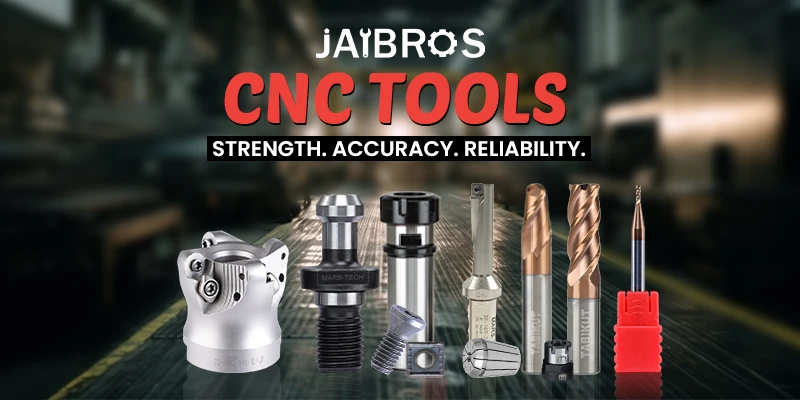
Learn the right way to maintain CNC tools for consistent industrial output, longer tool life, and reliable performance of CNC machine tools.
Proper CNC Tool Maintenance Practices for Consistent Industrial Performance
In industrial manufacturing, consistency is the foundation of quality, efficiency, and profitability. Whether producing automotive components, aerospace parts, or industrial fittings, manufacturers rely on stable machining processes to meet tight tolerances and delivery timelines. Proper maintenance ensures that a CNC tool performs reliably across long production cycles, helping businesses achieve uniform results without unnecessary downtime.
As machining environments become more demanding, the focus has shifted from reactive fixes to disciplined maintenance practices. With modern CNC machine tools operating at high speeds and precision levels, even minor neglect can lead to significant performance issues. Maintaining tools correctly is no longer just a technical task but a strategic requirement for sustained industrial output.
The Importance of Maintenance in Modern Machining
Maintenance directly influences accuracy, surface finish, and machine reliability. When tools are not maintained properly, wear develops unevenly, causing vibration, chatter, and dimensional inaccuracies. Over time, this affects both production quality and machine health.
A well-maintained CNC tool ensures stable cutting conditions, which is essential for repeatable machining results. Consistency becomes especially critical in industries where components are produced in large volumes and inspected against strict quality standards.
Understanding Wear and Performance Degradation
Tool wear is inevitable, but uncontrolled wear is preventable. Cutting edges gradually degrade due to heat, friction, and material hardness. If left unchecked, wear leads to poor surface quality, excessive tool pressure, and unpredictable cutting behavior.
Regular inspection allows operators to identify early signs of wear, such as edge chipping or loss of sharpness. Addressing these issues early helps protect CNC machine tools from excessive stress and prevents sudden tool failure during production. A monitored CNC tool supports smooth operations and consistent output.
Cleaning Practices That Support Reliability
Clean tools perform better and last longer. Chips, dust, and coolant residue can accumulate quickly around cutting edges, affecting balance and heat dissipation. Routine cleaning prevents material buildup that can lead to overheating and vibration.
Cleanliness also improves inspection accuracy, making it easier to detect cracks or deformation. When tools for the CNC machine are kept clean, machining processes remain stable, and performance variations are minimized across production runs.
Lubrication and Coolant Control
Lubrication reduces friction between the cutting edge and the workpiece, while coolant helps manage heat and flush chips away from the cutting zone. Both play a vital role in extending tool life and maintaining machining accuracy.
Poor lubrication accelerates wear and increases the risk of edge damage. A properly lubricated CNC tool operates smoothly, maintains cutting efficiency, and delivers consistent results even during long machining cycles.
Correct Storage and Handling Practices
Improper storage is a common cause of premature tool damage. Exposure to moisture, dust, or accidental impacts can damage cutting edges before tools are even installed on the machine.
Organized storage systems protect CNC cutting tools and make tool identification easier. Careful handling during setup and removal reduces the risk of edge chipping. These simple practices help maintain tool condition and ensure readiness for production.
Monitoring Cutting Conditions
Cutting parameters such as speed, feed rate, and depth of cut have a direct impact on tool performance. Incorrect settings increase heat generation and stress on the cutting edge, leading to faster wear.
Monitoring cutting conditions allows operators to make timely adjustments based on material type and machining requirements. A properly managed CNC tool maintains stable performance and supports efficient use of cnc cutter tool setups across different applications.
Preventive Maintenance Scheduling
Preventive maintenance focuses on planning inspections and servicing before failures occur. Tracking tool usage hours and wear patterns helps manufacturers replace tools at the right time rather than reacting to breakdowns.
This approach minimizes unplanned downtime and keeps production schedules on track. With CNC machine tools representing significant investments, preventive maintenance protects both equipment and output quality.
Operator Awareness and Skill Development
Even the most advanced machines depend on skilled operators. Proper training helps operators recognize early warning signs such as unusual noise, vibration, or surface defects.
When operators understand how their actions affect tool performance, they follow best practices more consistently. A trained workforce ensures that every CNC tool is used efficiently, contributing to stable machining results and longer service life.
Achieving Consistent Output Across Production Cycles
Consistency in industrial output depends on controlled processes and disciplined maintenance. Variations in tool condition can lead to inconsistent dimensions, increased inspection costs, and rework.
By maintaining tools correctly, manufacturers ensure uniform cutting behavior across batches. This consistency strengthens customer confidence, improves delivery reliability, and supports scalable production in demanding manufacturing environments.
Conclusion
Maintaining machining equipment the right way is essential for achieving consistent industrial output. Proper cleaning, lubrication, monitoring, and preventive maintenance protect CNC machine tools and ensure stable production performance. A well-maintained CNC tool delivers predictable results, longer life, and reduced operational risk, making maintenance a critical part of manufacturing strategy.
For manufacturers seeking dependable and high-performance tooling solutions, Jaibros stands out as a trusted industry partner. With a strong commitment to precision, durability, and quality, Jaibros provides CNC cutting tools designed to support consistent output and efficient machining. By combining advanced engineering with practical industry expertise, Jaibros helps businesses maintain reliability and achieve sustainable growth.
FAQs
1. Why is regular CNC tool maintenance important?
It ensures consistent cutting performance and prevents unexpected tool failure.
2. How does maintenance affect production consistency?
Proper maintenance reduces performance variation, leading to uniform dimensions and surface finish.
3. What problems occur if tools are not maintained properly?
Poor maintenance can cause vibration, inaccurate machining, and increased machine wear.
4. Does proper maintenance extend tool life?
Yes, it reduces heat, friction, and wear, allowing tools to last longer.
5. Can CNC tool maintenance protect machines?
Yes, well-maintained tools reduce stress on spindles and CNC machine tools.