
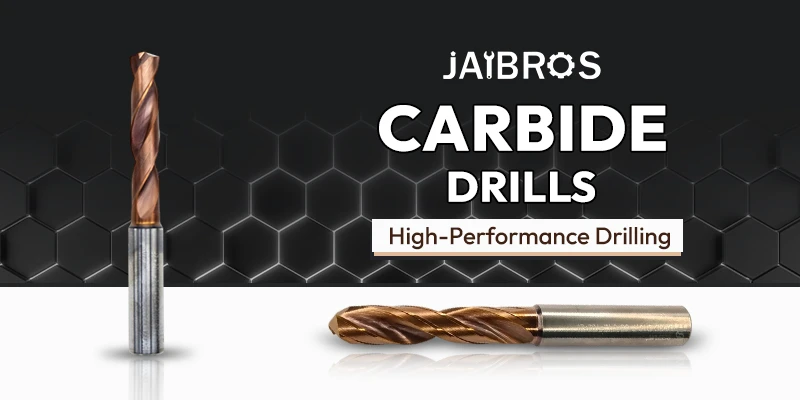
Learn how to choose the right carbide drill for hard materials, including key selection factors, performance benefits, and cost considerations.
How to Choose the Right Carbide Drill for Hard Materials
Machining hard materials is one of the biggest challenges in modern manufacturing. Materials such as hardened steel, stainless steel, cast iron, and high-strength alloys generate high cutting forces and heat, which can quickly degrade conventional drilling tools. Selecting the correct drilling solution is essential to maintain accuracy, productivity, and tool life. This is where advanced tooling technology plays a critical role.
Choosing the right carbide drill requires understanding material properties, tool geometry, and machining conditions.
Why Hard Materials Demand Specialized Drilling Tools
Hard materials resist deformation and produce intense friction during machining. When drilled with unsuitable tools, common problems include:
-
Rapid tool wear
-
Chipping or breakage of cutting edges
-
Inconsistent hole size
-
Poor surface finish
-
Increased machine downtime
To overcome these challenges, tools must offer high hardness, thermal stability, and rigidity. Carbide tooling meets these requirements better than traditional high-speed steel options.
Understating Carbide Tool Material
Carbide drilling tools are made from tungsten carbide particles bonded with cobalt. This composition gives the tool exceptional hardness and comprehensive strength, allowing it to cut materials that would quickly dull softer tools.
Unlike steel tools, carbide retains its cutting edge even at elevated temperatures. This property is particularly valuable when drilling hard materials that generate significant heat. As a result, a carbide drill can operate at higher speeds while maintaining dimensional accuracy.
Solid vs Other Carbide Tool Constructions
One of the most important choices is tool construction. Solid carbide drill bits are manufactured from a single piece of carbide material. This design provides maximum rigidity and minimises vibration during cutting.
The added stiffness helps maintain straight hole geometry and reduces tool deflection, which is critical when drilling hardened or abrasive materials. Solid carbide drill bits are especially effective in CNC machining environments where repeatability and precision are required.
Tool Geometry and Cutting Performance
Tool geometry plays a major role in drilling hard materials successfully. Factors such as point angle, helix angle, and margin design influence cutting forces and chip evacuation.
Optimized geometries reduce thrust force and help distribute cutting loads evenly across the cutting edge. This minimizes stress on the tool and improves surface finish. When drilling hard materials, correct geometry also prevents excessive heat buildup, extending tool life.
Importance of Drill Size in Precision Applications
Drill size selection becomes even more critical when working with hard materials. Smaller diameter tools are more prone to deflection and breakage if not properly designed.
For example, a 1mm carbide drill bit is commonly used in precision industries such as electronics and medical manufacturing. Carbide’s rigidity allows such micro tools to perform reliably, maintaining accuracy even at very small diameters.
Cutting Conditions and CNC Compatibility
Selecting the right drilling tool also involves matching it with appropriate cutting parameters. Carbide tools perform best under controlled conditions with correct speeds, feeds, and coolant application.
In CNC machining, automation demands tools that can deliver consistent results over long production runs. A well-selected carbide drill provides the stability required for such environments, reducing variation and improving overall machining efficiency.
Cost vs Performance Considerations
One of the most common concerns is carbide drill bits price. Carbide tools typically cost more than traditional drilling tools, which can raise questions about value.
However, when machining hard materials, the cost must be evaluated based on total performance. Longer tool life, reduced downtime, and higher productivity often make carbide tooling more economical over time. Fewer tool changes and lower scrap rates contribute to overall cost savings.
Matching the Drill to the Material
Different hard materials have different machining characteristics. For example:
-
Hardened steels require high wear resistance
-
Stainless steels demand heat control and chip evacuation
-
Cast iron produces abrasive chips
Selecting carbide drill bits designed for the specific material ensures optimal performance. Manufacturers often provide material-specific recommendations that help machinists achieve better results and longer tool life.
Common Mistakes to Avoid
When choosing drilling tools for hard materials, avoid these common mistakes:
-
Using incorrect cutting parameters
-
Ignoring tool geometry requirements
-
Choosing tools based only on price
-
Poor tool holding and excessive runout
Avoiding these issues helps maximize the benefits of carbide tooling and prevents premature tool failure.
Why Carbide Is the Preferred Choice
The ability to maintain cutting edge stability, resist heat, and deliver consistent performance makes carbide tooling the preferred solution for hard materials. A properly selected carbide drill enhances machining accuracy, improves productivity, and reduces operational challenges.
As manufacturing tolerances become tighter and materials more demanding, carbide drilling solutions continue to play a vital role in precision machining.
Conclusion
Choosing the right carbide drill for hard materials is not just about tool selection—it is about optimizing the entire machining process. By understanding material behavior, tool geometry, and cutting conditions, manufacturers can achieve superior accuracy and longer tool life. Carbide-based drilling tools provide the strength and stability needed to machine today’s toughest materials with confidence.
Jaibros is a trusted supplier of high-quality industrial cutting tools, offering reliable carbide drilling solutions designed to meet the precision demands of modern machining industries.
FAQs
1. Why are carbide tools recommended for hard materials?
They offer superior hardness and wear resistance, allowing consistent drilling performance in tough materials.
2. Are solid carbide drill bits better than other types?
Yes, solid carbide tools provide higher rigidity and accuracy, especially in CNC machining.
3. How should carbide drill bits price be evaluated?
Consider tool life, productivity, and reduced downtime rather than only initial purchase cost.
4. Can micro tools like a 1mm carbide drill bit handle hard materials?
Yes, carbide’s stiffness makes it suitable for precision micro-drilling applications.
5. What factors matter most when choosing a carbide drill?
Material type, tool geometry, drill size, and machining conditions are the most important factors.


