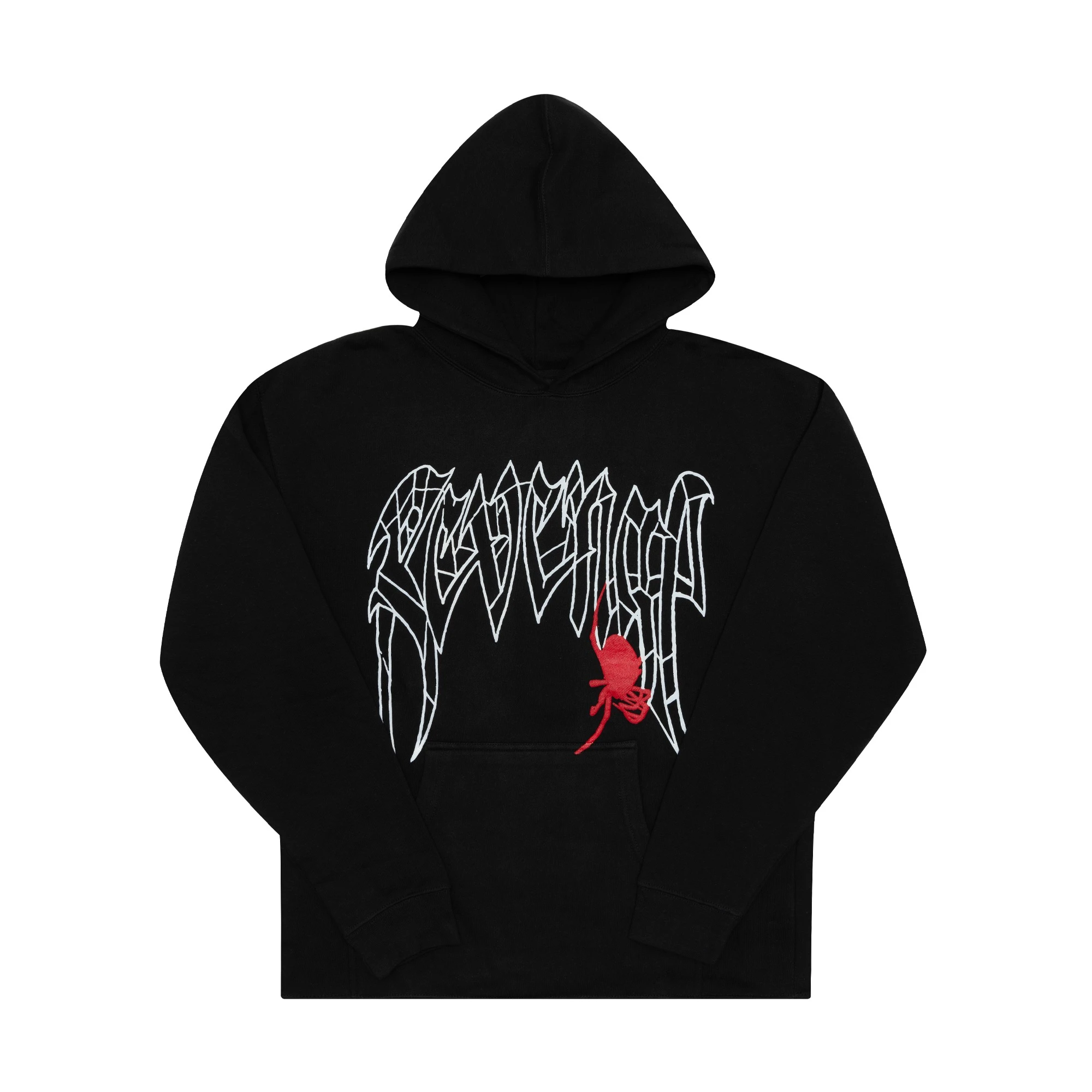
In recent years, the concept of “revenge clothing” has emerged as a distinct trend in the United States, blending fashion with emotional expression. It is a cultural phenomenon where clothing choices are deliberately used to reclaim confidence, assert independence, or make a bold statement after a personal setback, most commonly following the end of a romantic relationship. While revenge clothing is not a new concept, its rise in the American fashion scene has been amplified by social media, celebrity influence, and the evolving cultural focus on self-expression.
At its core, revenge clothing is about transformation. It is the act of using one’s wardrobe as a tool to symbolically and visually mark a shift in identity. For many Americans, this trend resonates because clothing is not merely functional—it is a powerful form of self-expression. After a breakup, job loss, or any personal disappointment, people often seek ways to regain a sense of control. Shopping for new outfits, experimenting with styles they might have previously avoided, or curating an entirely new aesthetic becomes a therapeutic process. In the context of romance, revenge clothing is particularly potent. Americans may invest in outfits that are designed to turn heads, convey confidence, or challenge societal expectations. A common scenario involves someone who has recently ended a long-term relationship purchasing a striking outfit for a night out, signaling personal growth and self-assurance.
The rise of social media platforms like Instagram, TikTok, and Pinterest has played a significant role in popularizing revenge clothing in the USA. American consumers are increasingly influenced by curated visual narratives that emphasize transformation and empowerment. Viral videos showcasing “revenge wardrobe makeovers” or fashion hauls after breakups have created a shared cultural understanding of the trend. The social component is crucial; people do not just buy revenge clothing for themselves—they also often want to be seen, subtly communicating that they are thriving despite past disappointments. In many ways, revenge clothing has evolved into a performative act of self-care, amplified by the visual storytelling inherent in online platforms.
Celebrity culture in the USA has also contributed heavily to the mainstream appeal of revenge clothing. Icons such as Beyoncé, Taylor Swift, and Kim Kardashian have all, in various ways, been associated with outfits or public appearances that signify empowerment following personal challenges. Beyoncé’s visual album Lemonade, for instance, showcased a blend of fashion and personal narrative, with her clothing choices symbolizing strength and reclamation. Taylor Swift’s post-breakup style evolution, often highlighted in media coverage, has similarly influenced the idea that fashion can serve as a visible, powerful reaction to personal adversity. These examples resonate with American audiences who see revenge clothing as a way to assert agency and self-expression in the wake of emotional hardship.
Revenge clothing is not limited to women, although much of the media coverage tends to focus on female fashion. In the USA, men have also embraced the concept, using tailored suits, bold color choices, and trend-forward streetwear to signal confidence after personal setbacks. Fashion designers and brands have taken note, with some marketing campaigns subtly incorporating the idea of transformation and empowerment. Retailers such as Revolve, Zara, and Urban Outfitters frequently highlight collections that can be interpreted as tools for personal reinvention, appealing to the American desire for novelty and individuality.
The psychological appeal of revenge clothing in the USA is closely linked to the notion of self-reinvention. American culture highly values the idea of personal agency—the ability to control one’s destiny and project an image of success. After a breakup, shopping for new outfits or adopting a fresh style can serve as a tangible way to manifest this ideal. Dressing in a way that projects confidence or independence is often psychologically empowering, and can boost self-esteem and emotional resilience. For many, revenge clothing is not about spite; it is about reclaiming a sense of identity that may have been temporarily overshadowed by personal challenges.
Revenge clothing also interacts with the broader fashion industry in practical ways. The USA has a highly commercialized retail environment, and the emotional motivations behind revenge clothing have significant economic implications. Post-breakup shopping sprees often fuel consumer spending, particularly in the fast-fashion and mid-range fashion segments. Retailers capitalize on this behavior through marketing that encourages self-indulgence and empowerment, often framing clothing purchases as a form of emotional recovery. In a country where consumer culture is deeply intertwined with personal identity, revenge clothing becomes both a personal and economic statement.
The aesthetics of revenge clothing in the USA are diverse, reflecting the country’s varied cultural landscape. Common trends include bold colors, body-conscious silhouettes, and outfits that command attention in social settings. Accessories such as statement jewelry, designer handbags, and high-end shoes often complement the look, adding layers of sophistication and confidence. However, the essence of revenge clothing lies less in the specific items and more in the intent behind them: each outfit is chosen deliberately to reflect a newfound sense of self-assurance or independence.
Despite its popularity, revenge clothing has critics who argue that it can perpetuate consumerist pressures or encourage performative responses to emotional distress. Some psychologists note that relying solely on external symbols of empowerment can be insufficient for long-term emotional recovery. However, in the context of American culture, where fashion and self-expression are deeply intertwined, revenge clothing remains a culturally meaningful and widely practiced phenomenon. For many, it serves as a transitional ritual, helping individuals navigate emotional challenges while publicly affirming their resilience.
In conclusion, revenge clothing in the USA is more than a fleeting trend—it is a cultural practice that merges fashion, psychology, and social expression. It reflects the American ideals of self-reinvention, independence, and empowerment, while also being shaped by social media and celebrity influence. Whether it involves a daring new outfit, a complete wardrobe overhaul, or subtle additions that signal confidence, revenge clothing allows individuals to reclaim control and express themselves boldly. In a society that celebrates visual storytelling and personal agency, the rise of revenge clothing underscores the powerful role fashion plays in both emotional healing and identity construction.