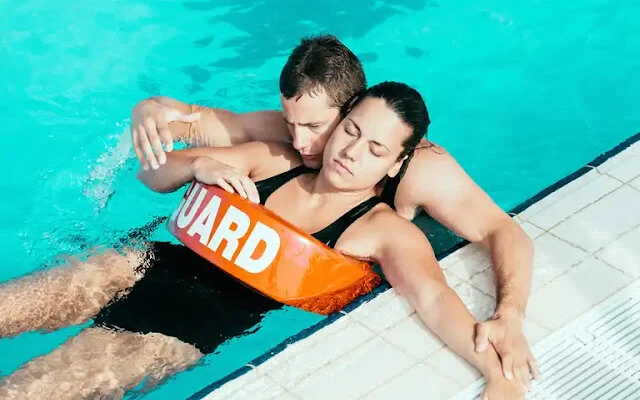
Lifeguard training is essential for anyone responsible for keeping people safe in aquatic environments. From swimming pools and water parks to lakes and open beaches, lifeguards are trusted professionals whose job is to prevent accidents and respond immediately when emergencies occur. Their training prepares them to act decisively in situations where every second matters.
Water emergencies often happen quietly and without warning. A swimmer in distress may not splash or call for help, and medical emergencies can escalate rapidly in water settings. Lifeguard training equips individuals with the awareness, skills, and confidence needed to recognize danger early and take effective action. It goes far beyond swimming ability, focusing on prevention, decision-making, teamwork, and lifesaving response.
Through structured instruction, hands-on water practice, and realistic emergency simulations, lifeguard training prepares individuals for real-world situations. This guide explores why lifeguard training matters, what it includes, how certification works, different training program types, and how lifeguards are prepared to handle emergencies.
Summary
Lifeguard training prepares individuals to prevent aquatic accidents and respond effectively to emergencies. Training programs combine classroom instruction with hands-on practice to teach surveillance, water rescue techniques, CPR and first aid, emergency communication, teamwork, and the use of rescue equipment. This article explains what to expect in lifeguard training, the core skills developed, certification requirements, program types for pools and beaches, and how scenario-based training builds real-world readiness.
Why Lifeguard Training Matters
Lifeguard training plays a critical role in maintaining safety in aquatic environments. Drownings and water-related injuries can occur quickly, and trained lifeguards are often the first and sometimes the only responders on scene. Proper training ensures lifeguards can act quickly, confidently, and correctly under pressure.
Being a lifeguard requires far more than strong swimming skills. Lifeguard training emphasizes prevention, awareness, and proactive safety management. Trainees learn how to identify hazards, enforce safety rules, and recognize early signs of distress before situations escalate into emergencies.
Well-trained lifeguards provide peace of mind to swimmers, families, and facility operators. Their presence builds public trust and ensures aquatic spaces are professionally supervised. Lifeguard training programs typically focus on:
-
CPR and first aid response
-
Water rescue techniques
-
Use of rescue and spinal equipment
-
Emergency communication and teamwork
Beyond technical skills, training also builds leadership, responsibility, and calm decision-making—qualities essential in high-pressure situations.
What to Expect in Lifeguard Training
American Lifeguard Association's Lifeguard training programs are comprehensive and designed to reflect real aquatic conditions. Courses blend classroom learning with extensive in-water practice to develop both knowledge and physical readiness.
Participants complete swimming drills to improve endurance, speed, and confidence in deep water. These drills ensure lifeguards can reach victims quickly and perform rescues safely. Training also includes repeated practice with rescue equipment such as rescue tubes and backboards.
CPR and first aid training are core components of every lifeguard course. Trainees practice these skills multiple times to ensure accuracy and confidence. Lifeguards must be prepared to provide immediate medical care until emergency services arrive.
Most lifeguard training programs include simulated rescue scenarios. These drills recreate real emergencies and challenge trainees to make quick decisions under pressure. Scenario-based training is essential for building confidence and readiness.
A typical lifeguard training program includes:
-
Swimming proficiency and endurance training
-
CPR, AED, and first aid instruction
-
Rescue techniques for active and passive victims
-
Use of rescue tubes, backboards, and safety equipment
Communication, teamwork, and leadership skills are reinforced throughout training.
Core Skills Developed Through Lifeguard Training
Lifeguard training develops a wide range of essential skills that prepare individuals to prevent accidents and respond effectively when emergencies occur.
Surveillance and Accident Prevention
Surveillance is the foundation of lifeguarding. Training emphasizes continuous scanning techniques, zone coverage, and recognition of subtle signs of distress. Lifeguards learn how to identify fatigue, panic, unsafe behavior, and environmental hazards.
Effective surveillance allows lifeguards to intervene early, preventing emergencies before rescues are needed.
Water Rescue Techniques
Water rescue training teaches lifeguards how to assist distressed swimmers without endangering themselves. Lifeguards practice multiple rescue techniques designed for different scenarios.
Rescue training typically includes:
-
Active victim rescues
-
Passive victim rescues
-
Safe water entries and approaches
-
Supporting victims using rescue tubes
-
Safe exits and removal from water
Repeated practice builds muscle memory and confidence, ensuring correct execution during real emergencies.
CPR, AED, and First Aid
CPR and first aid are central to lifeguard training. Lifeguards must be able to respond immediately to cardiac arrest, breathing emergencies, and drowning incidents.
Training includes:
-
High-quality chest compressions
-
Rescue breathing and ventilation techniques
-
AED operation and safety procedures
-
Bleeding control and shock management
Lifeguards also learn how to manage emergency scenes, communicate with responders, and reassure victims.
Spinal Injury Management
Spinal injury management is one of the most critical skills taught in lifeguard training. Improper handling of spinal injuries can cause permanent damage, so training emphasizes precision and teamwork.
Lifeguards learn:
-
How to recognize potential spinal injuries
-
In-water stabilization techniques
-
Backboarding procedures
-
Team coordination during spinal rescues
This training ensures victims are handled safely and professionally.
Emergency Communication and Teamwork
Lifeguards rarely respond alone. Training emphasizes clear communication, leadership, and coordination with other guards and facility staff.
Effective teamwork reduces confusion, speeds response times, and improves outcomes during complex emergencies.
Lifeguard Training Requirements and Prerequisites
Before enrolling in lifeguard training, candidates must meet basic prerequisites to ensure they are physically capable of performing rescues.
Common prerequisites include:
-
Minimum age (often 15 years or older)
-
Passing a swim competency test
-
Ability to tread water for a set time
-
General physical fitness and water confidence
Some programs require a pre-course swim assessment, which may include timed swims, surface dives, or object retrieval from depth.
The Lifeguard Training Process
Lifeguard training follows a structured process designed to build skills progressively and evaluate competence thoroughly.
Classroom Instruction
Classroom sessions cover water safety principles, rescue theory, emergency action plans, and first aid guidelines. Understanding the reasoning behind procedures helps lifeguards apply them correctly in emergencies.
Hands-On Skill Practice
Practical sessions focus on rescues, CPR, first aid, and equipment use. Instructors provide ongoing feedback to refine technique and improve performance.
Scenario-Based Emergency Simulations
Scenario training places participants in realistic emergency situations. These simulations test reaction time, decision-making, communication, and teamwork under pressure.
Scenarios often include:
-
Unconscious swimmer rescues
-
Spinal injury situations
-
Multiple-victim emergencies
-
Crowded pool or beach incidents
Written and Practical Exams
To complete lifeguard training and earn certification, participants must pass:
-
Written exams covering safety rules and procedures
-
Practical exams demonstrating rescue, CPR, and first aid skills
Passing these exams confirms readiness for professional lifeguard duties.
Types of Lifeguard Training Programs
Lifeguard training programs vary based on the aquatic environment in which lifeguards will work.
Pool Lifeguard Training
Designed for controlled environments such as community pools and fitness centers. Focuses on rescues, CPR, first aid, and rule enforcement.
Beach and Open-Water Lifeguard Training
Addresses challenges such as waves, currents, tides, and large patrol areas. Requires greater endurance, situational awareness, and advanced rescue skills.
Water Park Lifeguard Training
Covers high-traffic attractions, slide rescues, and specialized safety procedures unique to water parks.
Choosing the right training program depends on the environment where you plan to work.
Preparing for Emergency Situations: Real-Life Scenarios
Scenario-based training is one of the most valuable components of lifeguard education. These simulations prepare lifeguards for unpredictable real-world emergencies.
Common scenarios include:
-
Unconscious victims in deep water
-
Distressed or panicked swimmers
-
Spinal injury management
-
Multiple-victim emergencies
-
Communication with emergency responders
Role-playing allows trainees to experience both rescuer and victim perspectives, improving judgment and confidence.
Career Opportunities After Lifeguard Training
Lifeguard training opens doors to a wide range of employment opportunities, including:
-
Public and private pool lifeguard positions
-
Beach and surf lifeguarding
-
Water park safety roles
-
Aquatics supervision and management
Beyond employment, lifeguard training builds transferable skills such as leadership, communication, decision-making, and crisis management—valuable in many careers.
Lifeguard Training FAQs
How long does lifeguard training take?
Most programs require 20–30 hours of training, depending on format and provider.
Do I need to be a strong swimmer?
You must pass swim tests and perform rescues confidently, but competitive swimming experience is not required.
Is lifeguard training physically demanding?
Yes. Training includes swimming, endurance drills, and rescue practice to prepare you for real emergencies.
Can lifeguard training be completed online?
Some theory components may be online, but water skills, CPR, and exams must be completed in person.
Conclusion: The Importance of Lifeguard Training
Lifeguard training is more than learning how to swim—it is professional safety education that saves lives. Through structured instruction, hands-on practice, and realistic emergency scenarios, lifeguards gain the skills needed to prevent accidents and respond confidently when emergencies occur.
For individuals who enjoy swimming and want to serve their communities, lifeguard training offers meaningful responsibility, valuable life skills, and rewarding career opportunities. Proper training ensures aquatic environments remain safe, secure, and enjoyable for everyone.
Author Bio
Arlo Booker is a swimming, beach, and lifeguard safety author with a strong focus on aquatic rescue training and certification standards. He creates people-first, experience-driven content to help aspiring and professional lifeguards understand training requirements and build real-world emergency readiness in pool and open-water environments.